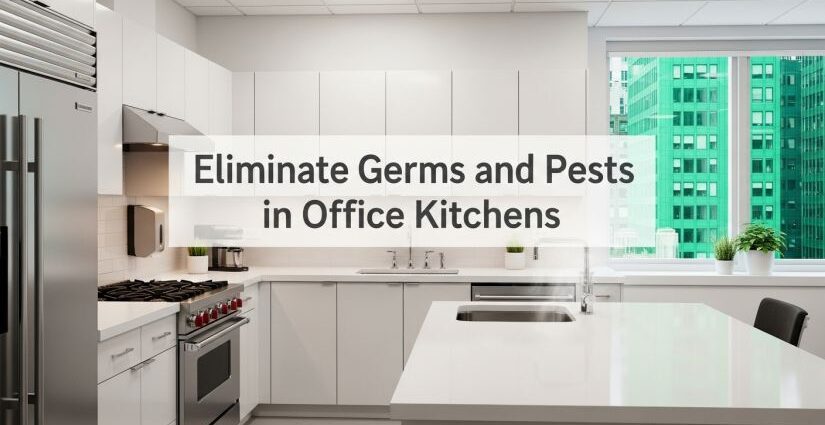
Your office breakroom and kitchen area should be a place where employees recharge and connect, not a breeding ground for germs and pests. Unfortunately, many facility managers overlook these shared spaces, assuming a quick wipe-down is enough to maintain hygiene. The reality is far more complex. Communal eating areas face constant use, food residue buildup, and high-touch surface contamination that can quickly spiral into health hazards and pest infestations if left unchecked.
At ProTex Janitorial Services, owner Rich Greco has seen firsthand how neglected breakrooms can undermine employee health and workplace productivity. “A clean office starts with the spaces employees use most frequently,” says Rich Greco. “When breakrooms and kitchens are properly maintained, you’re not just preventing pests and germs—you’re protecting employee morale and your company’s reputation.”
This comprehensive guide covers everything facility managers and office managers need to know about office kitchen cleaning, from daily disinfection protocols to pest prevention strategies. Whether you manage a small office building or a large commercial facility, these proven cleaning practices will help you maintain a clean and hygienic environment that employees appreciate and health inspectors approve.
Key Takeaways
- Daily disinfection of high-touch surfaces in breakrooms prevents the spread of germs and reduces sick days by up to 30%, directly improving productivity and employee health.
- Proper food waste management and sealed storage are essential for preventing pest infestations—rodents, ants, and cockroaches are attracted to improperly stored food and unsealed trash bins.
- Monthly deep cleaning tasks (refrigerator cleaning, appliance maintenance, drain protocols) eliminate hidden biofilm, mold growth, and grease buildup that harbor bacteria.
- EPA-registered disinfectants with proper contact time (typically 3-10 minutes) are necessary to truly sanitize surfaces—simple wiping without adequate dwell time won’t kill pathogens.
- Integrated pest management (IPM) combines prevention, exclusion, and monitoring to keep breakrooms pest-free without relying solely on reactive treatments.
- Professional cleaning services provide consistent protocols, trained staff, and proper equipment that ensure your breakroom remains clean, safe, and compliant with health regulations.
The Impact of Proper Breakroom Cleaning
How professional cleaning protocols transform workplace health and productivity
Industry Research Shows: Facilities with comprehensive breakroom cleaning protocols report measurable improvements in employee health metrics, reduced equipment maintenance costs, and fewer pest control expenses compared to those with inconsistent cleaning practices.
Why Office Breakroom and Kitchen Cleaning Matters
Your office breakroom sees more traffic and more potential contamination than almost any other area in your facility. Employees gather here multiple times daily to eat, drink, socialize, and take breaks from their workstations. Each visit introduces new opportunities for germs to spread and for food residue to accumulate.
The statistics are sobering. Research shows that kitchen sinks can harbor more bacteria than toilet seats, and office coffee mugs often contain concerning levels of fecal matter. Refrigerator door handles, microwave buttons, and coffee pot handles rank among the most contaminated surfaces in any workplace. Without proper cleaning and disinfection, your breakroom becomes a perfect environment for pathogen transmission.
The Hidden Costs of Neglected Breakrooms
When office cleanliness suffers in break areas, the consequences extend far beyond aesthetics:
- Increased sick leave: Contaminated surfaces spread cold, flu, and foodborne illnesses throughout your workforce
- Decreased morale: Employees feel undervalued when forced to use dirty, unpleasant common areas
- Pest infestations: Even small amounts of food waste can attract rodents, ants, cockroaches, and flies
- Reputation damage: Clients and visitors notice unclean breakrooms, forming negative impressions about your entire operation
- Health code violations: Depending on your industry, poor breakroom hygiene may trigger regulatory issues
- Reduced productivity: Employees avoid using dirty breakrooms, leading to longer lunch breaks off-site or eating at desks
“I’ve walked into breakrooms where the smell hit me before I even opened the refrigerator,” recalls Rich Greco. “Food spills left for days, trash overflowing, countertops sticky with residue. These aren’t just unpleasant—they’re health hazards that attract pests and make employees sick.”
Understanding the Difference: Sanitize vs Disinfect
Before diving into specific cleaning protocols, facility managers must understand that not all cleaning is equal. The terms “clean,” “sanitize,” and “disinfect” describe different levels of microbial reduction, and knowing when to apply each method is critical for effective breakroom hygiene.
Cleaning vs Sanitizing vs Disinfecting
Understanding the critical differences for effective breakroom hygiene
CLEANING
Removes visible dirt, debris, and some germs using soap/detergent and water. Physical removal of contaminants.
SANITIZING
Reduces bacteria to safe levels per health standards. Required for food-contact surfaces after cleaning.
DISINFECTING
Kills bacteria, viruses, and fungi. EPA-registered products required for high-touch surfaces and outbreak scenarios.
Spraying and immediately wiping is INEFFECTIVE. Disinfectants must remain visibly wet on surfaces for their full contact time (check product label) to kill pathogens. Most facilities fail at this crucial step.
- Clean first – Remove organic matter with soap/water
- Apply disinfectant – Spray until visibly wet
- Wait for contact time – Keep surface wet for 3-10 minutes
- Let air dry – Do not wipe before contact time completes
Three Levels of Surface Treatment
Cleaning removes visible dirt, debris, and some germs using soap or detergent and water. This process physically removes contaminants but doesn’t necessarily kill microorganisms. Cleaning should always precede sanitizing or disinfecting, as organic matter interferes with antimicrobial agents.
Sanitizing reduces bacteria to safe levels as defined by public health standards. Sanitizers lower bacterial counts but may not eliminate all viruses or fungi. Food-contact surfaces in your workplace kitchen require sanitization after cleaning.
Disinfecting kills a broader spectrum of pathogens, including bacteria, viruses, and fungi. EPA-registered disinfectants are necessary for high-touch surfaces in breakrooms, especially during cold and flu season or following known illness exposure.
The Critical Importance of Contact Time
Many cleaning crews make a critical error: they spray disinfectant and immediately wipe it away. For disinfectants to work, they require adequate dwell time (also called contact time) on the surface—typically 3 to 10 minutes, depending on the product. Check the label of your EPA-registered disinfectants for specific guidance.
Proper application means:
- Clean the surface first to remove organic matter
- Apply disinfectant until surface is visibly wet
- Allow the product to remain wet for the full contact time
- Let air dry or wipe only after contact time is complete
According to CDC cleaning guidance, surfaces should remain visibly wet throughout the entire contact period for maximum efficacy. For more details on these important distinctions, see our guide on cleaning vs disinfecting vs sanitizing.
Daily Cleaning Tasks for Office Breakrooms
A clean breakroom requires consistent daily attention. These tasks form the foundation of your breakroom cleaning checklist and should be performed every business day, ideally at the end of the day or during off-hours.
High-Touch Surface Disinfection
High-touch surfaces in breakrooms require daily disinfection to prevent the spread of germs. Focus your daily cleaning efforts on these frequently contacted areas:
- Refrigerator door handles (interior and exterior)
- Microwave door handle and control panel
- Coffee maker handle and dispensing area
- Faucet handles and sink fixtures
- Countertops and table surfaces
- Light switches and doorknobs
- Vending machine buttons and selection panels
- Chair backs and armrests
- Water cooler dispensing buttons
- Cabinet and drawer handles
Use EPA-registered disinfectants on these surfaces daily. Disinfectant wipes or sprays work well for quick applications, but remember to observe proper contact time. For facilities requiring green cleaning products, select eco-friendly disinfectants that meet EPA standards while reducing VOC (volatile organic compound) emissions.
Sink and Faucet Maintenance
Kitchen sinks accumulate bacteria rapidly, especially when employees rinse food containers or wash dishes. Your daily wipe-down routine should include:
- Remove debris and food particles from the sink basin
- Scrub the basin with an appropriate cleaner for your sink material (stainless steel care differs from porcelain)
- Disinfect the entire basin and let sit for proper contact time
- Clean and disinfect faucet handles, which harbor significant bacteria
- Wipe down the surrounding counter area where water splashes
Don’t forget the drain. Food particles can create biofilm in drains, leading to odors and clogs. Pour a mixture of hot water and dish soap down the drain daily to prevent buildup.
Countertop and Table Cleaning
Food preparation and eating surfaces require special attention. Different materials demand different care approaches:
- Laminate countertop maintenance: Use non-abrasive cleaners and avoid excessive water, which can damage seams
- Granite and stone care: Select pH-neutral cleaners designed for natural stone to prevent etching
- Stainless steel care: Wipe in the direction of the grain using appropriate stainless cleaners to prevent streaking
After cleaning, apply disinfectant to all countertops where food is prepared or consumed. Pay special attention to areas around the coffee station, where spills and drips create sticky residue.
Trash and Recycling Management
Proper trash bin hygiene is essential for preventing odors and pests. Daily tasks include:
- Empty all waste receptacles before they overflow
- Replace liners in all bins
- Wipe down exterior surfaces of trash cans
- Check recycling stations for contamination (food waste in recycling bins)
- Ensure lids close properly on all receptacles
- Spot-clean any spills around waste areas immediately
Consider implementing touchless trash cans to reduce cross-contamination. These sensor-activated bins allow employees to dispose of waste without touching potentially contaminated surfaces.
Floor Spot Cleaning
While comprehensive floor cleaning occurs less frequently, daily spot cleaning prevents sticky buildup and slip hazards. Mop up any spills immediately using appropriate cleaning solutions for your floor type. High-traffic areas around the refrigerator, sink, and trash bins often need extra attention.
Appliance Exterior Cleaning
Wipe down the exterior of all kitchen appliances daily:
- Refrigerator exterior and door handles
- Microwave exterior and control panel
- Coffee maker exterior and warming plate
- Toaster or toaster oven exterior
- Any other small appliances present
These quick wipes prevent grease and grime accumulation that becomes difficult to remove over time.
Weekly Deep Cleaning Tasks
In addition to daily cleaning, breakrooms and kitchens require more intensive weekly attention. These tasks tackle areas that don’t need daily intervention but deteriorate quickly without regular cleaning.
Microwave Deep Cleaning
Microwave interior cleaning should occur weekly at minimum. Food splatters create ideal conditions for bacterial growth and produce unpleasant odors. Follow this protocol:
- Remove the turntable and wash separately with dish soap and hot water
- Fill a microwave-safe bowl with water and add lemon slices or vinegar
- Microwave on high for 3-5 minutes to create steam
- Let sit for 2-3 minutes without opening the door
- Carefully remove the bowl (it will be very hot)
- Wipe interior surfaces with a damp cloth—the steam will have loosened debris
- Disinfect all interior surfaces
- Replace the turntable and wipe the exterior
This simple routine prevents the baked-on food residue that requires harsh scrubbing later.
Coffee Station Deep Clean
Coffee makers require weekly descaling and sanitizing to prevent mineral buildup and bacterial growth. Your coffee station cleaning schedule should include:
- Running a coffee machine cleaning cycle with vinegar or commercial descaler
- Washing all removable parts (carafe, filter basket, water reservoir)
- Wiping down the warming plate to remove burned-on coffee residue
- Cleaning the exterior and surrounding counter area
- Sanitizing the coffee pot and filter basket
- Restocking supplies (paper towels, napkins, stirrers, etc.)
Don’t forget other beverage equipment. Water cooler sanitation and ice machine maintenance follow similar principles, requiring regular cleaning to prevent bacterial colonization and mineral deposits.
Cabinet and Storage Area Cleaning
Weekly tasks should include wiping down cabinet exteriors and organizing storage areas. Check for:
- Expired food items in cabinets
- Spills or crumbs inside cabinets
- Proper storage of cleaning supplies away from food items
- Adequate inventory of essential supplies
Proper sealed food storage in cabinets prevents pest attraction. Encourage employees to store all food in airtight containers and never leave open packages.
Sink and Drain Deep Cleaning
Weekly drain cleaning protocol prevents clogs and odors. Use this method:
- Pour boiling water down the drain to loosen debris
- Add half cup of baking soda
- Follow with half cup of white vinegar
- Let foam for 10-15 minutes
- Flush with boiling water
This natural method breaks down biofilm in drains without harsh chemicals. For stubborn clogs or persistent odors, consider calling a professional specialty cleaning service.
Recycling and Waste Area Sanitization
Even if you empty trash daily, weekly cleaning of the actual bins is essential. Trash bin hygiene protocol includes:
- Remove all bins to an appropriate cleaning area
- Spray interior and exterior with disinfectant or degreaser
- Scrub with a dedicated brush (never one used for food surfaces)
- Rinse thoroughly with hot water
- Allow to air dry completely before replacing liners
- Disinfect the floor area where bins sit
Pay special attention to recycling bins, which can accumulate sticky residue from improperly rinsed containers.
Monthly Deep-Clean Schedule
Monthly cleaning tasks address less-obvious problem areas that accumulate contamination over time. These intensive procedures keep your breakroom functioning properly and prevent long-term issues.
Refrigerator Cleaning Protocol
Refrigerator cleaning ranks among the most critical monthly tasks. Improper refrigerator maintenance leads to food contamination, unpleasant odors, and mold growth. Follow this comprehensive protocol:
- Expired food removal: Post advance notice to employees about the upcoming cleaning. On cleaning day, remove all items and discard anything expired, unlabeled, or questionable.
- Remove all shelves, drawers, and removable components
- Wash removable parts in hot, soapy water
- Sanitize all removable parts and allow to air dry
- Wipe interior surfaces with appropriate cleaner
- Disinfect all interior surfaces, including door seals and gaskets
- Clean the drip pan if accessible
- Wipe exterior, including top and sides often missed during daily cleaning
- Replace components and organize returned food items
- Check and record temperature (should be 37-40°F for food safety)
Maintaining a fridge temperature log helps identify equipment issues before food safety becomes compromised. Consider implementing a labeling and dating food policy so employees know when items were stored.
Deep Appliance Maintenance
Monthly deep cleaning tasks for appliances go beyond daily exterior wiping:
Dishwasher maintenance (if present):
- Clean filter and spray arms
- Run empty cycle with dishwasher cleaner
- Wipe door seals and edges
- Check that water reaches proper temperature (minimum 140°F for sanitizing)
Cleaning appliances like coffee makers and water coolers:
- Descale and deep-sanitize coffee equipment
- Replace water cooler filters per manufacturer recommendations
- Check all appliance cords for damage
- Ensure proper ventilation around heat-producing appliances
Cabinet Deep Cleaning and Organization
Monthly cabinet cleaning goes beyond surface wiping:
- Empty all cabinets completely
- Vacuum or wipe crumbs and debris
- Wash interior surfaces with appropriate cleaner
- Disinfect all surfaces
- Check for pest signs (droppings, gnaw marks)
- Verify sealed food storage compliance
- Organize and restock supplies
- Check expiration dates on stored items
Ventilation and Air Quality
Indoor air quality impacts employee health and comfort. Monthly HVAC ventilation and IAQ maintenance includes:
- Cleaning or replacing range hood filters (if present)
- Wiping vent covers and registers
- Checking for signs of mold growth prevention needs (water stains, musty odors)
- Ensuring adequate moisture control in kitchens to prevent mold
Poor air quality in breakrooms can result from inadequate ventilation combined with food odors, cleaning chemicals, and moisture. If you notice persistent odors despite regular cleaning, consider an HVAC inspection or implementing HEPA filtration considerations.
Pest Inspection and Prevention
Monthly pest inspection records help you catch problems early. Walk through your breakroom looking for:
- Droppings or gnaw marks indicating rodents
- Ant trails or congregation points
- Cockroach activity (they’re most visible at night)
- Fruit flies around produce or trash areas
- Entry points like gaps around pipes or damaged door sweeps
Document findings and address issues immediately. For more on maintaining a clean office environment that deters pests, see our guide on workplace housekeeping safety.
Quarterly and Seasonal Deep-Clean Tasks
Some breakroom maintenance occurs less frequently but remains essential for long-term cleanliness and hygiene. Quarterly deep-clean tasks address areas that deteriorate slowly but significantly impact health and function.
Comprehensive Floor Care
While daily spot cleaning and weekly mopping maintain appearances, quarterly floor care restores and protects surfaces:
- Floor cleaning with industrial equipment
- Stripping and refinishing if applicable to your floor type
- Deep scrubbing of tile grout
- Treating and sealing appropriate floor materials
- Moving large appliances to clean beneath and behind
Professional floor cleaning and refinishing services have the equipment and expertise to properly maintain various flooring types.
Behind and Beneath Appliances
Quarterly cleaning should include moving major appliances to clean:
- Behind refrigerators (dust on coils reduces efficiency)
- Under vending machines
- Behind microwaves and coffee stations
- Areas beneath fixed cabinets if accessible
These hidden areas accumulate dust, food debris, and provide shelter for pests. Regular access prevents serious problems from developing unnoticed.
Deep Disinfection Procedures
Consider quarterly application of advanced disinfection technologies:
Electrostatic sprayer use allows disinfectant to wrap around surfaces, reaching areas manual wiping misses. This technology is particularly effective for:
- Complex surfaces with many contours
- Areas difficult to reach manually
- Comprehensive coverage during outbreak response plan execution
UV-C disinfection considerations offer chemical-free pathogen reduction for certain applications. However, UV-C requires direct line-of-sight and proper exposure time, making it supplemental rather than primary disinfection. Learn more about these technologies in our article on next-generation disinfection tools.
Seasonal Cleaning Adjustments
Seasonal cleaning adjustments account for changing conditions throughout the year:
Summer pest prevention tips:
- Increase vigilance for ants and flies, which are more active in warm weather
- Ensure air conditioning adequately controls humidity
- Check window screens for damage
- Clean condensation pans under appliances more frequently
Winter mold and moisture tips:
- Monitor for mold growth from wet outerwear near breakrooms
- Ensure adequate ventilation despite closed windows
- Address any ice buildup around exterior doors
- Intensify flu season cleaning checklist items during peak illness months
For comprehensive seasonal guidance, reference our seasonal cleaning checklist for offices.
Integrated Pest Management for Breakrooms
Even the cleanest breakrooms can face pest challenges if prevention strategies aren’t implemented. Integrated pest management (IPM) provides a systematic approach that’s more effective and environmentally responsible than reactive pesticide application alone.
Integrated Pest Management for Breakrooms
Prevention is 10x more effective than reactive pest control
WHAT ATTRACTS PESTS
- Unsealed food packages in cabinets
- Crumbs on floors and counters
- Sticky spills (soda, juice, coffee)
- Overflowing or unsealed trash
- Food residue on appliances
- Leaking pipes under sinks
- Standing water around appliances
- Condensation from refrigerators
- Dripping faucets
- Poor drainage systems
- Cluttered storage areas
- Gaps around pipes and wires
- Damaged door sweeps
- Cracks in walls or baseboards
- Behind/beneath appliances
PREVENTION STRATEGIES
Common Breakroom Pests & Warning Signs
The IPM Success Cycle
Integrated Pest Management emphasizes prevention and monitoring over reactive pesticide use—resulting in better outcomes, lower costs, and reduced chemical exposure.
Understanding Pest Attractant Sources
Pests enter breakrooms seeking three things: food, water, and shelter. Common pest attractant sources include:
- Unsealed food packages in cabinets or on counters
- Crumbs and food residue on surfaces and floors
- Overflowing or unsealed trash receptacles
- Sticky spills, particularly from sodas or juices
- Standing water in sinks or around appliances
- Clutter providing hiding places
- Moisture from leaks or poor ventilation
“The biggest pest problems I see come from facilities that don’t manage food waste properly,” explains Rich Greco. “A few crumbs here, an unsealed trash bag there—it adds up fast. Pests don’t need much encouragement.”
Pest Exclusion Methods
Preventing pest entry is more effective than treating infestations after they develop. Pest exclusion methods include:
- Seal gaps and entry points: Inspect around pipes, electrical conduits, and ventilation openings. Seal with appropriate materials (steel wool for mice, caulk for insects).
- Door sweep and weatherstrip checks: Ensure all exterior doors have proper sweeps that create a seal when closed. Replace damaged weatherstripping.
- Window screen maintenance: Repair or replace damaged screens. Even small tears provide insect entry.
- Plumbing inspection checklist: Check under sinks for leaks that attract pests and cause moisture damage.
- Exterior waste containment: Keep dumpsters away from building entrances and ensure lids close properly.
Prevention-First Approach
An effective IPM program emphasizes prevention:
- Implement strict sealed food storage policies
- Maintain consistent cleaning schedules
- Address moisture issues immediately
- Remove clutter that provides harborage
- Educate employees about their role in pest prevention
Monitoring and Early Detection
Early detection allows problems to be addressed before they become serious infestations:
- Conduct regular visual inspections
- Install monitoring stations in strategic locations
- Document any pest activity in pest inspection records
- Address signs immediately rather than waiting
Targeted Control Measures
When prevention and exclusion aren’t sufficient, targeted control becomes necessary:
Ant infestation prevention:
- Identify and eliminate food sources
- Seal entry points
- Use bait stations rather than sprays when possible
- Address moisture that attracts certain ant species
Cockroach control in kitchens:
- Focus on sanitation—roaches can’t thrive without food and moisture
- Apply gel baits in cracks and crevices
- Use insect growth regulators for long-term population suppression
- Never rely solely on sprays, which can scatter populations
Rodent prevention measures:
- Exclusion is critical—mice can fit through openings the size of a dime
- Remove all food sources and store in rodent-proof containers
- Rodent bait station guidelines: Only use in accordance with label directions and local regulations
- Never use glue traps, which are inhumane and ineffective for serious infestations
Fly control strategies:
- Eliminate breeding sites (overripe fruit, moist organic matter)
- Ensure trash is removed frequently
- Install air curtains at entrances if fly pressure is high
- Use fruit fly traps for minor issues
Working with Licensed Pest Control Providers
For significant pest issues or ongoing prevention, establish a service contract for pest control with licensed pest control providers. Look for companies that:
- Emphasize IPM principles rather than just chemical treatment
- Provide detailed inspection reports
- Offer employee education
- Use least-toxic methods when possible
- Customize programs to your facility’s specific needs
A preventive maintenance plan with regular professional inspections prevents small issues from becoming expensive infestations.
Employee Responsibility and Workplace Policies
Even the best professional cleaning services can’t overcome poor employee habits. Creating a culture of shared responsibility keeps breakrooms clean between professional cleanings.
Establishing an Employee Responsibility Matrix
Clear expectations prevent confusion about who does what. An employee responsibility matrix should specify:
- What employees to clean after themselves (wipe tables, rinse dishes, dispose of trash properly)
- What the cleaning crew handles (disinfection, deep cleaning, restocking supplies)
- Special responsibilities (who monitors refrigerator, who orders supplies)
Behavioral Nudges and Signage
Strategic behavioral nudges and signage remind employees of expectations without creating a punitive atmosphere:
- Clean-zone signage near sinks: “Please wipe counters after use”
- Handwashing compliance signage with proper technique reminders
- Visual guides showing how to load dishwashers correctly
- Friendly reminders about labeling and dating food
- Recycling guides showing what goes in each bin
Make signage positive and helpful rather than scolding. “Thank you for keeping our shared space clean” is more effective than “Don’t be a slob.”
Breakroom Policies Worth Implementing
Consider these policies to maintain breakroom hygiene:
Shared utensil policy: Require employees to wash personal dishes immediately or take them back to desks. Provide commercial dishwasher or clear expectations for hand-washing standards.
No food sharing policy: During illness outbreaks, limit communal food items to reduce pathogen transmission.
No-eating-at-desks policy: Encourage use of designated eating areas to contain food waste and reduce pest attraction throughout the office.
Labeling and dating food policy: All items in the refrigerator must be labeled with name and date. Items older than one week are discarded during refrigerator cleaning protocol.
Reusable vs disposable utensils: Establish whether your facility uses reusable dishes (requiring washing facilities) or disposable items (requiring waste management planning).
Employee Training and Communication
Brief training refresher cadence keeps expectations top-of-mind:
- Include breakroom expectations in new employee orientation
- Send quarterly reminders about cleaning expectations
- Use microlearning for hygiene through brief email tips or posters
- Address issues promptly but professionally when they arise
An employee communication plan that explains the “why” behind policies increases compliance. When employees understand that proper hand hygiene and cleaning habits protect everyone’s health, they’re more likely to participate.
Professional Commercial Cleaning for Breakrooms
While employee cooperation matters, professional cleaning services provide the expertise, consistency, and thoroughness that busy facility managers struggle to achieve with in-house staff alone.
Why Outsource Breakroom Cleaning
The commercial cleaning service benefits for breakrooms include:
- Consistent protocols: Trained crews follow documented procedures every visit
- Proper equipment: Commercial-grade products and tools achieve better results
- Appropriate chemicals: Knowledge of surface compatibility guidance prevents damage
- Time savings: Your staff focuses on core business functions
- Expertise: Understanding of disinfectant contact time, proper dilution ratios, and safety protocols
- Accountability: Service contracts include quality standards and recourse if expectations aren’t met
- Reduced liability: Professional services carry insurance and train staff in safe hazardous chemical handling
For more information on outsourcing advantages, read our article on outsourcing janitorial services for small businesses.
What to Look for in a Commercial Cleaning Provider
When selecting a commercial cleaning provider for your breakroom, consider these factors:
Certifications and training:
- Industry certifications for cleaners like ISSA’s Cleaning Industry Management Standard (CIMS)
- GBAC accreditation considerations for facilities requiring documented outbreak prevention capabilities
- Certified sanitization training for staff handling food-contact surfaces
Safety and compliance:
- Adherence to OSHA safety considerations
- EHS compliance for facilities in regulated industries
- Proper SDS and MSDS storage and staff training on chemical safety
- PPE for cleaning staff including appropriate glove use and disposal
Customization and flexibility:
- Customized cleaning plans adapted to your facility’s specific needs
- Flexibility to adjust frequencies based on usage and seasons
- Ability to provide one-time deep-clean scope or recurring maintenance scope
- Clear scope of work for vendors documented in contracts
Quality control:
- Regular inspections and audits of work quality
- Cleaning quality control checklist used by supervisors
- Availability of third-party cleaning audits for verification
- Cleaning KPIs and metrics tracked and reported
Understanding Pricing and Scope
Pricing considerations for breakroom cleaning depend on several factors:
- Square footage of breakroom and kitchen areas
- Frequency of service (daily, weekly, monthly components)
- Level of service (basic maintenance vs comprehensive deep cleaning)
- Number and type of appliances requiring maintenance
- Special requirements (green products, specific protocols)
- Time of service (daytime, evening, weekend rates may vary)
Request detailed proposal language for facility managers that clearly outlines what’s included in each service level. Understanding the equipment list for breakroom cleaning and approved cleaning agents list ensures alignment with your facility’s standards.
Working Effectively with Your Cleaning Team
Maximize the value of professional commercial cleaning by maintaining good communication:
- Provide access to necessary areas and storage for equipment
- Communicate special concerns or problem areas
- Review cleaning documentation templates regularly
- Provide feedback promptly when issues arise
- Allow the team adequate time to perform tasks properly
- Respect standard operating procedures (SOP) they’ve developed
For guidance on building a productive relationship, see our article on working with your janitorial team.
Specialized Cleaning Considerations
Green Cleaning for Breakrooms
Many organizations prioritize environmental responsibility. Green cleaning products reduce environmental impact while maintaining cleanliness:
- Eco-friendly disinfectants with EPA Safer Choice certification
- Low-VOC cleaning agents that improve indoor air quality (IAQ)
- VOC reduction strategies throughout the facility
- Microfiber technology that reduces chemical and water use
- Concentrated products that reduce packaging waste
Green cleaning doesn’t mean compromising effectiveness. Modern eco-friendly products meet rigorous performance standards while reducing environmental impact. Learn more in our guide on why green cleaning matters.
Outbreak Response and Illness Prevention
During disease outbreaks, intensify breakroom protocols:
Covid-era cleaning protocols remain relevant for many facilities:
- Increase frequency of high-touch surface cleaning
- Use EPA List N disinfectants proven effective against specific pathogens
- Implement contact tracing cleaning response when exposures occur
- Consider temporary no food sharing policy measures
Flu season cleaning checklist additions:
- Daily disinfection of all high-touch points
- Additional hand sanitizer placement throughout breakroom
- More frequent trash removal
- Enhanced communication about staying home when ill
An outbreak response plan developed before illness strikes ensures rapid, effective action when needed. For winter-specific guidance, see our article on winter office cleaning.
Industry-Specific Breakroom Requirements
Certain industries face additional regulations:
Medical facilities require:
- Healthcare-grade disinfectants
- Stricter protocols for sanitizing food-contact surfaces
- Enhanced cross-contamination prevention
- Documentation for regulatory compliance
Food service facilities must address:
- Food code overlap with cleaning requirements
- Food safety in breakrooms for staff areas
- Health inspector expectations
- Temperature monitoring and documentation
Manufacturing and production environments need:
- Protocols for employees with dirty hands/clothing
- Heavy-duty cleaning for industrial grime
- Integration with overall facility safety programs
Measuring Success and ROI
The ROI of Professional Breakroom Cleaning
Measurable business impact beyond cleanliness
Real Cost Comparison: In-House vs Professional
- Inconsistent schedules
- Improper technique/products
- Limited equipment
- No accountability system
- Staff time diverted
- Higher sick rates
- Pest issues develop
- Consistent protocols
- Proper training & products
- Commercial equipment
- Quality guarantees
- Staff focus on business
- Reduced sick days
- Proactive prevention
- Daily touch-ups in-house
- Weekly deep cleans by pros
- Monthly intensive tasks
- Quarterly comprehensive
- Best of both worlds
- Cost-effective balance
- Maximum flexibility
The Bottom Line on ROI
Professional breakroom cleaning isn’t an expense—it’s an investment that pays for itself through healthier employees, improved morale, avoided pest costs, and time returned to your core business. Most facilities see positive ROI within 3-6 months.
Effective breakroom cleaning delivers measurable benefits. Track these metrics to demonstrate value:
Health and Productivity Metrics
- Reduction in sick days metric: Track employee sick leave before and after implementing improved cleaning protocols
- Productivity gain estimates: Calculate time saved when employees don’t need to clean breakrooms themselves
- Employee satisfaction scores regarding breakroom cleanliness
- Health and safety incident reduction
Operational Metrics
- Pest sighting frequency (should trend toward zero)
- Appliance repair costs (proper cleaning extends equipment life)
- Supply costs (efficient cleaning reduces waste)
- Waste hauler scheduling efficiency
Reputation and Perception Metrics
- Brand reputation and cleanliness connection
- Customer perception and first impressions from visitors
- Employee morale and cleanliness survey results
- Recruitment and retention impacts
The ROI of cleaning programs often exceeds expectations when you factor in reduced sick leave, improved morale, extended equipment life, and avoidance of pest control expenses. For more on the business case, review our article on how facility cleanliness builds trust.
Comprehensive Office Breakroom Cleaning Checklist
Breakroom Cleaning Frequency Matrix
A visual guide to maintaining consistent hygiene standards
DAILY
WEEKLY
MONTHLY
QUARTERLY
Use this master breakroom cleaning checklist to ensure nothing is overlooked. Customize frequencies based on your facility’s usage patterns.
Daily Tasks
- □ Disinfect all high-touch surfaces (refrigerator handle, microwave controls, faucets, countertops, tables, chairs, light switches, door handles, vending machine buttons, water cooler)
- □ Clean and sanitize sink basin and faucet
- □ Wipe down all countertops and eating surfaces
- □ Spot-clean spills immediately on floors and surfaces
- □ Empty all trash and recycling receptacles
- □ Replace trash can liners
- □ Wipe exterior of all appliances
- □ Restock supplies (paper towels, napkins, dish soap, hand sanitizer)
- □ Pour hot water and dish soap down drain
- □ Quick sweep or vacuum high-traffic floor areas
Weekly Tasks
- □ Deep clean microwave interior
- □ Descale and sanitize coffee maker
- □ Wash coffee carafes and filter baskets thoroughly
- □ Clean water cooler dispensing area
- □ Wipe down cabinet exteriors
- □ Clean interior of dish storage cabinets
- □ Deep clean sink and drain with baking soda/vinegar treatment
- □ Wash and disinfect trash bins (interior and exterior)
- □ Clean recycling bin interiors
- □ Disinfect floor around trash and recycling area
- □ Mop entire breakroom floor
- □ Check for expired or unlabeled food items
- □ Inspect for pest signs
Monthly Tasks
- □ Complete refrigerator deep clean (remove all items, clean shelves, disinfect interior, check temperature)
- □ Remove and wash refrigerator shelves and drawers
- □ Discard all expired, unlabeled, or questionable food
- □ Deep clean dishwasher (if present)
- □ Descale and sanitize water cooler
- □ Replace water cooler filters per manufacturer schedule
- □ Empty and clean all cabinets
- □ Disinfect cabinet interiors
- □ Check food storage compliance
- □ Clean or replace range hood filters
- □ Wipe vent covers and registers
- □ Inspect for moisture issues or mold growth
- □ Conduct pest inspection (look for droppings, gnaw marks, entry points)
- □ Check door sweeps and weatherstripping
- □ Inspect plumbing under sinks
- □ Review supply inventory and reorder as needed
- □ Audit cleaning product effectiveness
Quarterly Tasks
- □ Move major appliances and clean behind/beneath
- □ Clean refrigerator coils
- □ Deep clean floors (strip, scrub, refinish as appropriate)
- □ Clean grout lines thoroughly
- □ Deep clean light fixtures
- □ Wash walls and baseboards
- □ Clean ceiling vents thoroughly
- □ Consider electrostatic disinfection treatment
- □ Conduct comprehensive pest inspection with licensed provider
- □ Review and update cleaning protocols as needed
- □ Replace any worn cleaning tools or equipment
- □ Update employee training materials
Seasonal Tasks
- □ Summer: Intensify ant and fly prevention, check AC drainage, clean window screens
- □ Fall: Prepare for increased indoor time, review flu season protocols, check door seals
- □ Winter: Monitor for mold from wet outerwear, check heating ventilation, increase illness prevention measures
- □ Spring: Deep clean after winter, address any moisture damage, refresh outdoor eating areas if applicable
Common Breakroom Cleaning Mistakes to Avoid
Even well-intentioned facility managers make these common errors:
Mistake 1: Confusing Cleaning with Disinfecting
Simply wiping surfaces doesn’t kill pathogens. Without proper cleaning (removal of organic matter) followed by disinfection with adequate contact time, surfaces remain contaminated despite appearing clean.
Mistake 2: Using Wrong Products on Surfaces
Applying harsh chemicals to delicate surfaces causes damage. Follow surface compatibility guidance and manufacturer recommendations. For example, acidic cleaners etch natural stone countertops, while abrasive pads scratch stainless steel.
Mistake 3: Neglecting Hidden Areas
Behind appliances, inside drains, and beneath equipment accumulate debris and harbor bacteria. Regular access to these hidden areas prevents serious problems.
Mistake 4: Inconsistent Schedules
Sporadic cleaning allows problems to compound. Establish and maintain a regular cleaning schedule rather than cleaning only when things look visibly dirty.
Mistake 5: Inadequate Ventilation During Cleaning
Using cleaning chemicals without proper ventilation exposes employees to harmful fumes. Always ensure adequate airflow when using chemical products, especially those with strong odors or VOC content.
Mistake 6: Failing to Train Employees
Assuming employees know proper breakroom etiquette leads to recurring problems. Brief but clear training on expectations prevents most issues.
Mistake 7: Reacting Instead of Preventing
Waiting until pest infestations are visible or odors are overwhelming costs more in remediation than consistent prevention would have. Implement proactive measures rather than reacting to crises.
Mistake 8: Using the Same Cloth Everywhere
Cross-contamination occurs when cleaning cloths move from toilets to breakrooms. Implement a color-coded cloth system: one color for breakrooms, different colors for restrooms, offices, etc. Use microfiber cleaning cloths or a single-use wipes policy for high-risk areas.
Mistake 9: Overlooking Employee Hand Hygiene
The cleanest breakroom remains contaminated if employees don’t wash hands properly. Install touchless soap dispensers, provide employee hand hygiene stations, and post handwashing technique reminders.
Mistake 10: Not Documenting Cleaning Activities
Cleaning protocol documentation proves due diligence in case of illness outbreaks or regulatory inspections. Maintain logs of cleaning activities, especially for critical tasks like refrigerator temperature checks and monthly deep cleaning.
Regional Considerations for Idaho and Washington
Facilities in Idaho and Washington face unique environmental factors affecting breakroom cleaning:
Climate-Related Challenges
The Inland Northwest experiences distinct seasons requiring adapted protocols:
- Dry summer heat: Increases pest activity, particularly ants and flies. Monitor water sources that attract insects.
- Cold, wet winters: Wet floors from tracked-in snow/rain create slip hazards. Increased mold growth prevention needs from moisture.
- Wildfire smoke season: Impacts indoor air quality; air filtration and ventilation become critical.
- Spring pollen: Increased outdoor allergens require more frequent air filter changes.
Local Regulations and Standards
Washington and Idaho facilities must comply with state and local requirements:
- Municipal waste regulations governing commercial waste disposal
- Waste segregation practices required in many jurisdictions
- Local health department standards for food handling areas
- State-specific OSHA requirements for employee safety
ProTex Local Expertise
ProTex Janitorial Services serves businesses throughout North Idaho and Eastern Washington, including Coeur d’Alene, Sandpoint, Post Falls, Spokane, and surrounding communities. This local knowledge means our cleaning protocols account for regional environmental factors.
“We understand the specific challenges facilities face in our region,” notes Rich Greco. “From dealing with wildfire smoke impacts on indoor air quality to preparing breakrooms for harsh winters, our protocols reflect the reality of operating in the Inland Northwest.”
Frequently Asked Questions
How often should office breakrooms be cleaned?
Daily cleaning of high-touch surfaces, countertops, and trash removal is essential. Weekly tasks include deep cleaning appliances and floors. Monthly tasks address refrigerators and deep disinfection. The exact frequency depends on breakroom size and employee usage patterns.
What’s the best disinfectant for office kitchens?
Use EPA-registered disinfectants with proven efficacy against common pathogens. Select products appropriate for your surface materials and allow proper contact time (typically 3-10 minutes). For food-contact surfaces, verify the disinfectant is safe for such use or follow with a potable water rinse.
How can I prevent pests in my office kitchen?
Store all food in sealed containers, maintain consistent cleaning schedules, empty trash frequently, seal entry points, address moisture issues, and remove clutter. Integrated pest management combining prevention, exclusion, and monitoring is most effective for long-term control.
What causes bad smells in office breakrooms?
Common odor sources include forgotten food in refrigerators, biofilm in drains, unsealed trash, spilled beverages, moisture issues causing mold, and insufficient ventilation. Regular cleaning, proper food waste management, and addressing moisture eliminate most odors. Use enzymatic cleaners for persistent organic odors.
Should breakroom cleaning be outsourced or done in-house?
Professional services provide expertise, consistency, proper equipment, and accountability that busy facility managers struggle to maintain in-house. Most organizations benefit from outsourcing at least deep cleaning tasks while employees handle immediate cleanup after personal use.
How do I get employees to keep the breakroom clean?
Set clear expectations, use positive behavioral nudges, provide necessary supplies, lead by example, and address issues promptly but professionally. When employees understand that their cooperation protects everyone’s health and maintains a pleasant environment, compliance improves significantly.
What’s included in a professional breakroom cleaning service?
Services typically include high-touch surface disinfection, appliance cleaning, floor care, trash removal, supply restocking, and periodic deep cleaning tasks. Scope varies by provider and contract level. Request detailed proposals specifying exactly what’s included at each service frequency.
How can I tell if my breakroom cleaning is effective?
Monitor sick leave rates, track pest sightings, conduct employee satisfaction surveys, visually inspect critical areas, consider ATP surface testing for objective cleanliness measurement, and review any health and safety incident reports. Effective cleaning produces measurable improvements in these metrics.
What should be in a breakroom cleaning kit?
Include EPA-registered disinfectants, dish soap, microfiber cloths, disposable wipes, appropriate surface cleaners, floor cleaner, rubber gloves, trash bags, paper towels, hand sanitizer, and any specialized products needed for your specific surfaces and appliances.
How much does professional breakroom cleaning cost?
Costs depend on square footage, service frequency, level of service, number of appliances, and regional labor rates. Daily basic maintenance costs less than comprehensive deep cleaning services. Request detailed quotes from multiple providers to compare value, not just price.
Taking Action: Your Next Steps
A clean and safe breakroom doesn’t happen by accident. It requires planning, consistent execution, employee cooperation, and often professional expertise. Whether you manage a small office or a large facility, implementing the strategies outlined in this guide will create a healthier, more pleasant environment for your team.
Immediate Actions You Can Take Today
- Assess your current state: Walk through your breakroom with fresh eyes. Look for pest signs, check appliance cleanliness, evaluate high-touch surfaces, and identify problem areas.
- Create a baseline checklist: Using the comprehensive checklist provided earlier, document what’s currently being done and identify gaps in your cleaning program.
- Prioritize high-impact changes: Focus first on daily high-touch surface disinfection, proper food waste management, and basic pest exclusion measures.
- Communicate with employees: Explain new expectations and the health reasons behind them. Post simple behavioral reminders in strategic locations.
- Review your current cleaning resources: Evaluate whether you have appropriate cleaning supplies, products and tools, and whether tasks are being completed consistently.
When to Call in Professional Help
Consider professional cleaning services when:
- Your in-house staff lacks time, training, or equipment for thorough cleaning
- You’re facing persistent pest issues despite your efforts
- Employees complain about breakroom cleanliness
- You need to meet industry-specific regulatory standards
- Your facility hasn’t had a comprehensive deep clean recently
- You want documented protocols and quality control measures
Partner with ProTex for Professional Breakroom Cleaning
At ProTex Janitorial Services, we’ve helped businesses throughout Idaho and Washington create clean, healthy breakrooms that employees actually want to use. Our routine cleaning services address daily maintenance needs, while our specialty cleaning tackles deep disinfection and periodic intensive tasks.
“We don’t just clean surfaces,” explains Rich Greco. “We help facility managers implement complete programs that address the root causes of breakroom problems—contamination, pests, odors, and employee dissatisfaction. Our goal is creating spaces that support health, productivity, and morale.”
Our customized cleaning plans adapt to your facility’s specific needs, usage patterns, and budget. We work with businesses of all sizes, from small offices to large commercial facilities, across industries including office and commercial buildings, medical facilities, educational institutions, and more.
Get Your Free Breakroom Cleaning Assessment
Ready to transform your office breakroom from a potential health hazard into a clean, welcoming space? ProTex Janitorial Services offers complimentary breakroom cleaning assessments to help you identify issues and develop appropriate solutions.
During your assessment, we’ll:
- Evaluate your current cleaning protocols and identify gaps
- Inspect for pest signs and entry points
- Review high-touch areas and contamination risks
- Assess appliance maintenance needs
- Provide specific recommendations for your facility
- Create a customized cleaning plan with transparent pricing
Contact ProTex today to schedule your free assessment:
- Phone: (208) 263-6202
- Email: rich@protexjanitorialservices.com
- Online: Request your estimate
We respond within one business day and work around your schedule. Serving communities throughout the Inland Northwest, ProTex brings local expertise and professional standards to every breakroom we clean.
Final Thoughts on Breakroom Excellence
Your office breakroom represents more than just a place to eat lunch. It’s where teams connect, where employees recharge, and often where visitors form lasting impressions of your organization. A well-maintained breakroom communicates that you value your employees’ health and comfort.
The investment in proper breakroom cleaning pays dividends through reduced sick leave, improved morale, enhanced productivity, and avoided pest control costs. Whether you handle cleaning in-house or partner with professionals like ProTex, the key is consistency, proper protocols, and a commitment to creating truly clean and healthy spaces.
Don’t let your breakroom become a neglected afterthought. With the strategies outlined in this guide and the right support, you can create an environment that supports employee health, prevents pests and germs, and demonstrates your commitment to maintaining a professional, caring workplace.
For more insights on creating cleaner, healthier workplaces, explore our blog or contact us with specific questions about your facility’s needs.
ProTex Janitorial Services serves businesses throughout North Idaho and Eastern Washington with professional cleaning solutions that deliver real results. From routine office cleaning to specialized disinfection services, we help facility managers maintain clean, healthy, productive environments.
