ProTex Janitorial Services

Category: Facility Management

Practical guides for facility managers responsible for cleaning programs, budgets, schedules, and vendor oversight across commercial buildings in North Idaho & Spokane.

Janitorial KPIs & Audits - A Practical Guide for Facility Managers

Janitorial KPIs & Audits: A Practical Guide for Facility Managers

Every facility manager knows the frustration: you hire a commercial cleaning company, expectations seem clear, yet somehow the results fall short. Restrooms that should sparkle look dull by Wednesday. Breakrooms accumulate crumbs despite daily service. Complaints trickle in from staff, and you find yourself wondering whether your cleaning program is actually working.

The problem rarely lies with effort alone. More often, the issue comes down to measurement. Without clear key performance indicators (KPIs) and structured audit routines, even well-intentioned janitorial teams operate in a fog. They clean. They complete tasks. But no one truly knows if the work meets the standard your facility requires.

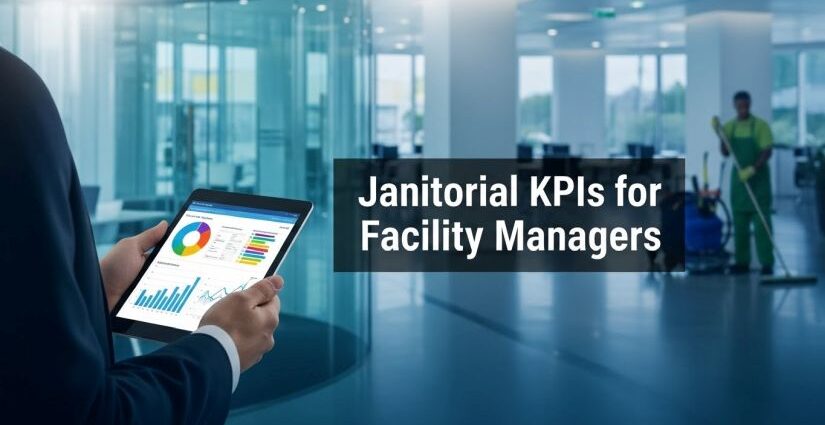
This guide changes that. Whether you manage a medical office in Coeur d’Alene, oversee manufacturing floors in Spokane, or coordinate cleaning across retail locations in the Inland Northwest, you will learn exactly how to grade janitorial work using quantifiable metrics. From inspection scores and response times to complaint tracking and health outcomes, this practical framework gives you the tools to hold your cleaning program accountable and continuously improve.

“You cannot improve what you do not measure. Facility managers who track the right KPIs catch problems before occupants notice them. That proactive approach separates adequate cleaning from exceptional facility management.”

 
Rich Greco
Owner, ProTex Janitorial Services
 

Key Takeaways

  • KPIs turn subjective cleaning assessments into measurable outcomes that support data-driven decisions about your janitorial program.
  • APPA cleaning standards provide an industry-recognized framework for rating appearance levels from “orderly spotlessness” (Level 1) to “moderate dinginess” (Level 4).
  • Response time metrics and complaint tracking reveal whether your cleaning team addresses issues quickly enough to maintain occupant satisfaction.
  • ATP testing and surface cleanliness verification offer scientific proof that disinfection protocols actually reduce pathogen presence on high-touch surfaces.
  • Labor productivity ratios like square feet per custodian and cost per square foot help facility managers evaluate operational efficiency and budget performance.
  • Regular audit routines including daily inspections, weekly walkthroughs, and monthly deep-clean assessments create accountability and drive continuous improvement.

Why KPIs Matter in Commercial Cleaning

95%
of facility managers say measurement improves cleaning outcomes
40%
Reduction in complaints when KPIs are tracked consistently
3x
Faster issue resolution with response time tracking
25%
Lower absenteeism in facilities with verified cleanliness

Data-driven cleaning programs deliver measurable results

Why KPIs Matter in the Cleaning Industry

Facility management has evolved beyond simply keeping spaces tidy. Modern facility managers must justify budgets, demonstrate ROI, and prove their cleaning programs protect both occupant health and organizational reputation. KPIs provide the evidence to accomplish each of these goals.

The Shift from Subjective to Measurable

Traditional cleaning evaluations relied heavily on visual impressions. A supervisor walked through the building, noted whether things “looked clean,” and moved on. This approach created several problems:

  • Inconsistent standards between different evaluators
  • No historical data to identify trends or patterns
  • Difficulty proving value to stakeholders or upper management
  • Reactive problem-solving rather than preventive maintenance

KPIs change the equation entirely. When you track specific metrics over time, you build a performance baseline that makes deviations immediately visible. Cleaning quality becomes quantifiable, not just a matter of opinion.

How KPIs Drive Better Outcomes

Consider the difference between these two scenarios:

Without KPIs: A facility manager receives complaints about restroom cleanliness. They speak with the janitorial supervisor, who promises to “do better.” Complaints continue. The cycle repeats.

With KPIs: The facility manager reviews weekly inspection scores for all restrooms. Data shows Building B restrooms consistently score 15% lower than other locations. Further analysis reveals the assigned custodian covers 20% more square footage than peers. The solution becomes clear: rebalance workloads. Scores improve within two weeks.

As Rich Greco notes: “Numbers tell stories that complaints alone cannot. When facility managers track KPIs systematically, they stop chasing symptoms and start solving root causes.”

Understanding APPA Cleaning Standards

Before selecting specific KPIs, facility managers benefit from understanding the most widely recognized framework for evaluating cleaning quality: the APPA (Association of Physical Plant Administrators) appearance levels.

APPA Cleaning Standards

Industry-Recognized Appearance Levels

1
Orderly Spotlessness
No dust, debris, or imperfections visible • Operating rooms, cleanrooms, executive spaces
HIGHEST
STANDARD
2
Ordinary Tidiness
Light dust under close inspection • Most office environments, general commercial spaces
RECOMMENDED
TARGET
3
Casual Inattention
Dust and spots noticeable on surfaces • Utility areas, storage rooms, low-traffic zones
ACCEPTABLE
MINIMUM
4
Moderate Dinginess
Obvious dust accumulation, dull floors • Indicates cleaning frequency is insufficient
NEEDS
ATTENTION
5
Unkempt Neglect
Visible dirt, grime, odors present • Immediate corrective action required
CRITICAL
FAILURE

The Five APPA Levels Explained

APPA standards define five distinct levels of cleanliness, each with specific observable characteristics:

Level 1: Orderly Spotlessness

  • Floors and surfaces show no accumulation of dust, dirt, or debris
  • All vertical and horizontal surfaces appear freshly cleaned
  • Light fixtures and diffusers sparkle
  • Corners, edges, and baseboards are immaculate
  • This level requires the highest labor investment and is typically reserved for operating rooms, cleanrooms, or executive spaces

Level 2: Ordinary Tidiness

  • Light dust accumulation may be visible under close inspection
  • Floors show minimal wear patterns
  • Fixtures appear clean but not polished
  • High-touch surfaces are spotless
  • Most office environments target Level 2 for general areas

Level 3: Casual Inattention

  • Dust and spots are noticeable on some surfaces
  • Floor finish shows moderate wear
  • Some corners and edges may have visible buildup
  • Acceptable for utility areas, storage rooms, and low-traffic zones

Level 4: Moderate Dinginess

  • Dust accumulation is obvious on most surfaces
  • Floors appear dull and may have visible debris
  • Vertical surfaces and fixtures show neglect
  • This level indicates cleaning frequency is insufficient

Level 5: Unkempt Neglect

  • Visible dirt, grime, and debris throughout
  • Surfaces are sticky or grimy to the touch
  • Odors may be present
  • Immediate corrective action is required

Applying APPA Standards to Your Facility

Different areas within a single building may appropriately target different APPA levels:

Facility Area Recommended APPA Level Rationale
Medical facilities Level 1-2 Infection control requirements
Executive offices Level 2 Professional appearance expectations
General office space Level 2-3 Balance between quality and cost
Manufacturing floors Level 2-3 Safety compliance needs
Storage and utility rooms Level 3-4 Lower visibility, lower priority
Retail customer areas Level 2 Customer-facing reputation

Understanding these standards helps facility managers set appropriate expectations and communicate clearly with their commercial cleaning partner.

Essential Janitorial KPIs Every Facility Manager Should Track

Selecting the right KPIs depends on your facility type, industry requirements, and organizational priorities. However, several metrics apply universally across commercial cleaning programs.

Essential Janitorial KPIs to Track

Quality Metrics
  • Inspection scores by area
  • APPA level compliance
  • Deficiency counts
  • ATP test results (RLU)
Operational Metrics
  • Response time (MTTR)
  • Work order completion rate
  • Schedule adherence
  • Staff attendance
$
Financial Metrics
  • Cost per square foot
  • Labor cost tracking
  • Budget variance
  • Supply consumption
Satisfaction Metrics
  • Complaint frequency
  • Occupant survey scores
  • Net Promoter Score (NPS)
  • Resolution satisfaction

Inspection Scores and Quality Audits

What it measures: The percentage of cleaning tasks completed to standard during scheduled inspections.

How to calculate: (Number of items passing inspection ÷ Total items inspected) × 100

Why it matters: Inspection scores provide the most direct measurement of cleaning quality. When tracked consistently, they reveal patterns across locations, shifts, and individual crew members.

Best practices for implementation:

  • Use a standardized quality control checklist covering all cleaning tasks
  • Conduct inspections at varying times to capture true performance
  • Score each item as pass/fail rather than using subjective scales
  • Photograph deficiencies for documentation and training purposes
  • Review scores weekly with janitorial supervisors

A well-designed audit captures both visual inspection results and observable standards compliance. For example, an inspector might verify that trash containers are lined, dispensers are stocked, and floors show no visible debris.

Response Time Metrics

What it measures: How quickly the janitorial team addresses reported issues, special requests, or emergency cleaning needs.

Key metrics to track:

  • First response time: Minutes or hours from issue report to acknowledgment
  • Issue resolution time: Minutes or hours from report to completion
  • Mean time to repair (MTTR): Average resolution time across all work orders

Target benchmarks:

  • Routine requests: Response within 4 hours, resolution within 24 hours
  • Urgent requests (spills, restroom issues): Response within 30 minutes, resolution within 2 hours
  • Emergency situations: Immediate response, resolution as quickly as safely possible

Response time directly impacts occupant satisfaction. When a conference room needs emergency cleaning before an important meeting, minutes matter. Tracking this KPI ensures your cleaning team prioritizes appropriately.

Work Order Completion Rate

What it measures: The percentage of scheduled and requested cleaning tasks completed within their designated timeframe.

How to calculate: (Completed work orders ÷ Total work orders) × 100

Why it matters: A high completion rate indicates reliable service delivery. Declining rates signal staffing problems, unrealistic schedules, or inadequate supervision.

What to watch for:

  • Completion rates below 95% warrant investigation
  • Patterns of incomplete tasks in specific areas or shifts
  • Seasonal variations that may indicate staffing needs
  • Differences between routine and special request completion rates

Modern CMMS software (Computerized Maintenance Management System) makes work order tracking straightforward. Many commercial cleaning companies now provide clients with real-time reporting dashboards showing completion status.

Complaint Tracking and Resolution

What it measures: The frequency, nature, and resolution of cleaning-related complaints from building occupants.

Metrics to monitor:

  • Total complaints per month (and trend over time)
  • Complaints per 1,000 square feet (for comparison across facilities)
  • Complaint categories (restrooms, floors, odors, etc.)
  • Resolution time for each complaint
  • Repeat complaints for the same issue or location

Building an effective complaint log:

Create a standardized process for capturing and tracking complaints:

  1. Intake channel: Provide multiple ways for occupants to report issues (email, app, phone, in-person)
  2. Required information: Location, nature of problem, urgency level, reporter contact info
  3. Timestamp: Record when complaint received and when resolved
  4. Category assignment: Use consistent categories for analysis
  5. Resolution documentation: Record what action was taken and by whom
  6. Follow-up confirmation: Verify with reporter that issue was resolved satisfactorily

Using complaint data effectively:

Complaints represent the tip of the iceberg. Research suggests that for every person who complains, several others experience the same issue silently. Tracking complaints systematically reveals:

  • Which areas consistently underperform
  • Whether corrective actions actually resolve problems
  • Seasonal patterns (for example, winter months may bring more floor complaints due to tracked-in snow and salt)
  • Training opportunities for specific cleaning crews

Customer and Occupant Satisfaction Scores

What it measures: How satisfied building occupants are with overall cleanliness and janitorial responsiveness.

Collection methods:

  • Quarterly or annual surveys using consistent questions
  • Net Promoter Score (NPS) methodology to identify promoters and detractors
  • Quick feedback stations in restrooms or common areas
  • Follow-up surveys after complaint resolution

Sample survey questions:

  1. How would you rate the overall cleanliness of your workspace? (1-5)
  2. How satisfied are you with restroom cleanliness? (1-5)
  3. How responsive is the cleaning team to special requests? (1-5)
  4. Would you recommend our facility’s cleaning service to colleagues? (Yes/No)

Satisfaction scores provide context for other KPIs. High inspection scores paired with low satisfaction scores may indicate that inspections are not capturing what occupants actually care about.


Scientific Verification: ATP Testing and Surface Cleanliness

Visual inspections confirm that surfaces look clean. ATP testing confirms they actually are clean at a microbial level. For medical facilitiesfood service operations, and any environment where infection control matters, ATP testing provides critical verification.

Understanding ATP Bioluminescence Testing

ATP (adenosine triphosphate) is present in all living cells. When organic matter remains on a surface after cleaning, ATP testing detects it. The process works as follows:

  1. An ATP swab is rubbed across the surface being tested
  2. The swab is inserted into a luminometer device
  3. A chemical reaction produces light proportional to ATP present
  4. Results display as relative light units (RLU)
  5. Lower RLU readings indicate cleaner surfaces

Interpreting RLU Readings

Different industries and surface types have different pass-fail thresholds:

Surface Type Pass Threshold (RLU) Fail Threshold (RLU)
Food contact surfaces Below 10 Above 30
Healthcare high-touch Below 100 Above 250
General office surfaces Below 250 Above 500
Restroom fixtures Below 150 Above 300

These thresholds should be established as part of your service level agreement (SLA) with your commercial cleaning company.

ATP Testing Thresholds

Relative Light Units (RLU) – Lower is Cleaner

Food Contact Surfaces
PASS
< 10
FAIL
> 30
Strictest standard
Healthcare High-Touch
PASS
< 100
FAIL
> 250
Medical facilities
General Office Surfaces
PASS
< 250
FAIL
> 500
Standard commercial
Restroom Fixtures
PASS
< 150
FAIL
> 300
High-touch areas

Pro Tip: Establish ATP thresholds in your service level agreement (SLA) and test high-touch surfaces weekly to verify disinfection protocols are working.

Implementing an ATP Testing Program

Frequency recommendations:

  • High-touch surfaces in healthcare: Daily or per cleaning cycle
  • Food preparation areas: Before each use
  • General office high-touch points: Weekly spot checks
  • Restroom fixtures: Weekly verification

High-touch surfaces to prioritize:

  • Door handles and push plates
  • Light switches
  • Elevator buttons
  • Shared equipment (copiers, coffee machines)
  • Restroom faucets and flush handles
  • Breakroom table surfaces
  • Conference room tables and phone equipment

ATP testing turns cleaning vs. disinfecting from an abstract concept into measurable reality. When your janitorial team knows surfaces will be tested, touchpoint disinfection receives appropriate attention.

Establishing ATP Testing Protocols

Equipment requirements:

ATP testing requires relatively modest investment:

  • Handheld luminometer device (typical cost $2,000-4,000)
  • Single-use ATP swabs (approximately $2-4 each)
  • Documentation system for recording results
  • Calibration supplies as specified by manufacturer

Creating your testing schedule:

Develop a rotation that covers all critical surfaces over time without becoming burdensome:

  1. Identify your highest-priority surfaces based on touch frequency and occupant vulnerability
  2. Create zones or routes for systematic coverage
  3. Determine testing frequency for each zone (daily, weekly, monthly)
  4. Assign responsibility for testing and recording
  5. Establish escalation procedures when readings exceed thresholds

Training considerations:

Proper swab technique significantly impacts results. Swabs must contact surfaces with consistent pressure across a defined area. Swabbing too lightly misses contamination; swabbing too aggressively can damage the swab. Most luminometer manufacturers provide training materials, and some offer certification programs.

Integrating ATP Results with Other KPIs

ATP testing results gain additional value when connected to other metrics:

  • Inspection scores: Do areas with high ATP readings also show lower visual inspection scores?
  • Complaint patterns: Are complaints concentrated in zones with higher contamination readings?
  • Product effectiveness: Do different disinfectants produce different ATP results?
  • Dwell time compliance: Are readings lower when proper contact time protocols are followed?

This integration turns isolated data points into a complete picture of cleaning effectiveness.

Labor Productivity and Cost Metrics

Effective facility management balances cleaning quality against operational efficiency. Labor represents the largest cost in any janitorial program, making productivity metrics essential for budget management.

Square Feet per Custodian

What it measures: The amount of cleanable area each custodian is responsible for during their shift.

How to calculate: Total cleanable square feet ÷ Number of custodians on shift

Industry benchmarks:

Facility Type Square Feet per Custodian
Medical/Healthcare 15,000-20,000
Office buildings 25,000-30,000
Educational facilities 20,000-28,000
Industrial/Warehouse 40,000-50,000
Retail 20,000-25,000

Why this KPI matters:

When custodians cover too much area, quality suffers. When they cover too little, costs escalate unnecessarily. Tracking this metric helps facility managers:

  • Identify understaffed shifts or locations
  • Justify additional staffing requests with data
  • Compare efficiency across different cleaning crews
  • Evaluate the impact of layout changes or new equipment

Cost per Square Foot

What it measures: The total cost of janitorial services divided by the facility’s cleanable square footage.

How to calculate: (Total janitorial costs ÷ Total cleanable square feet)

What to include in total costs:

  • Contract or payroll costs for cleaning staff
  • Supplies and equipment
  • Supervision and management overhead
  • Quality control and inspection time
  • Training expenses

Benchmark ranges:

  • Basic office cleaning: $0.10-0.25 per square foot
  • Medical facility cleaning: $0.30-0.50 per square foot
  • Industrial cleaning: $0.08-0.20 per square foot
  • Specialty cleaning: Variable based on requirements

This metric enables budget variance analysis and helps facility managers evaluate whether outsourcing janitorial services provides better value than in-house cleaning.

Employee Turnover Rate

What it measures: The percentage of janitorial staff who leave within a given period.

How to calculate: (Number of separations ÷ Average number of employees) × 100

Why turnover matters for quality:

High turnover in janitorial teams directly impacts cleaning quality:

  • New staff require training time before reaching full productivity
  • Institutional knowledge about facility-specific needs is lost
  • Consistency suffers as different individuals learn routines
  • Supervisors spend more time onboarding instead of quality control

Industry average turnover for commercial cleaning exceeds 75% annually. Companies with strong training programs, fair compensation, and positive cultures achieve much lower rates. When evaluating cleaning vendors, ask about their staff retention statistics.

Audit Routines: Building a Quality Assurance Program

KPIs only provide value when collected systematically. A structured quality assurance program ensures consistent data gathering and enables the continuous improvement that turns good cleaning programs into exceptional ones.

Daily Inspections

Purpose: Catch and correct problems before they compound.

Who performs them: Janitorial supervisors or lead custodians.

What to inspect:

  • High-traffic areas and building entrances
  • Restrooms (supply levels, cleanliness, odors)
  • Breakrooms and common areas
  • Visible floors and surfaces
  • Trash and recycling collection status

Documentation method: Quick digital checklist with photo capability for any deficiencies noted.

Time investment: 15-30 minutes depending on facility size.

Weekly Walkthroughs

Purpose: Full evaluation of cleaning standards across all areas.

Who performs them: Facility manager or designated quality representative.

What to inspect:

  • Complete restroom audit including fixtures, floors, walls, and partitions
  • Floor care including carpet appearance and hard floor finish condition
  • Vertical surface cleaning (walls, partitions, window sills)
  • Horizontal surface cleaning (desks, counters, shelving)
  • Dust accumulation on vents, fixtures, and ledges
  • Baseboards and corners
  • Window and glass cleanliness

Documentation method: Formal inspection form with scoring by area and category.

Time investment: 1-2 hours for thorough coverage.

Monthly Deep-Clean Assessments

Purpose: Evaluate effectiveness of periodic cleaning tasks and specialty services.

What to assess:

  • Floor finish condition and refinishing needs
  • Carpet extraction and spot treatment effectiveness
  • High dusting completion (above 6 feet)
  • Light fixture and diffuser cleaning
  • Upholstery and fabric surface cleaning
  • Exterior elements under contract (window cleaning, pressure washing)

Documentation method: Detailed assessment report with photographs and recommendations.

Time investment: 2-4 hours depending on facility complexity.

Calibration Sessions

Even the best inspection program can drift over time if inspectors are not aligned on standards. Calibration sessions bring inspectors together to:

  • Review borderline examples and agree on pass/fail decisions
  • Discuss any changes to standards or expectations
  • Share observations about emerging issues
  • Reinforce the scoring rubric and observable standards
  • Ensure auditor consistency across all evaluators

Conduct calibration sessions quarterly or whenever new inspectors join the program.

Day vs. Night Cleaning Considerations

Your audit program should account for differences between day and night cleaning schedules.

Day porter inspections:

  • Focus on real-time responsiveness
  • Evaluate occupant interaction quality
  • Measure restroom check frequency and turnaround
  • Assess ability to handle unexpected situations
  • Track interruption minimization in occupied spaces

Night cleaning inspections:

  • Conduct early morning inspections before occupants arrive
  • Evaluate full task completion
  • Measure shift handoff quality
  • Assess security protocol compliance
  • Review equipment and supply staging

Comparing performance between shifts:

Track the same KPIs for both shifts but recognize that appropriate targets may differ. Night crews can achieve more thorough results without occupant interruption, while day porters prioritize rapid response and maintenance between cleanings.

Recommended Audit Schedule

Build Accountability with Structured Inspection Routines


Daily Spot Checks
High-traffic areas, restrooms, breakrooms, entrances
15-30 MIN
Performed by: Janitorial Supervisor
 
Weekly Walkthroughs
Full facility inspection with scoring by area and category
1-2 HOURS
Performed by: Facility Manager
 
Monthly Deep-Clean Assessment
Floor finish, carpet extraction, high dusting, specialty services
2-4 HOURS
Performed by: Facility Manager + Supervisor
 
Quarterly Calibration Sessions
Align inspectors on standards, review scoring rubric, ensure consistency
1 HOUR
Performed by: All Inspectors

Tracking and Reporting: From Data to Decisions

Collecting KPI data accomplishes nothing without effective analysis and reporting. The goal is turning raw numbers into practical knowledge that drives improvements.

Building Your KPI Dashboard

A well-designed dashboard presents key metrics at a glance while enabling drill-down into details when needed.

Essential dashboard elements:

  • Trend lines showing KPI movement over time (weekly, monthly, quarterly)
  • Target comparisons indicating whether performance meets expectations
  • Area breakdowns highlighting which locations need attention
  • Alert indicators flagging metrics outside acceptable ranges
  • Historical context enabling pattern recognition

Many facility managers use commercial cleaning software or facility management platforms that include built-in reporting. Others build custom dashboards in spreadsheet tools. The specific technology matters less than consistent use.

Conducting Trend Analysis

Single data points rarely tell the full story. Trend analysis reveals:

  • Seasonal patterns: Do scores dip during flu season when absenteeism rises? Do complaints increase in winter when tracked-in debris creates more work?
  • Day-of-week patterns: Are Mondays consistently problematic due to weekend events or reduced coverage?
  • Shift-to-shift patterns: Does night cleaning outperform day porter results, or vice versa?
  • Before/after comparisons: Did a new training program actually improve scores?

Rich Greco emphasizes the value of this perspective: “Trends matter more than snapshots. A single low score might reflect a bad day. Three consecutive weeks of declining scores reveal a systemic problem that needs attention.”

Creating Effective Reports

Different stakeholders need different levels of detail:

For janitorial supervisors: Weekly reports with area-specific scores, deficiency lists, and crew-level performance data. Focus on immediate corrective actions.

For building management: Monthly summaries highlighting overall scores, complaint trends, and any SLA compliance issues. Include comparison to previous months.

For senior leadership: Quarterly or annual reports showing cost metrics, satisfaction trends, and ROI calculations. Connect cleaning performance to broader organizational goals.

For your cleaning company: Regular scorecards showing performance against contract standards. Include both positive recognition and areas requiring improvement.

Root Cause Analysis: Solving Problems Permanently

When KPIs reveal problems, effective facility managers dig deeper rather than applying superficial fixes.

The Five Whys Technique

This simple method helps uncover root causes:

Problem: Restroom inspection scores dropped 20% last month.

  1. Why? Fixtures are not being cleaned thoroughly.
  2. Why? The assigned custodian is rushing through the task.
  3. Why? Their workload increased when another custodian quit.
  4. Why? The replacement hire has not been trained yet.
  5. Why? Training was delayed due to supervisor vacation.

Root cause: Training scheduling process lacks backup coverage.

Solution: Establish cross-trained backup trainers and prioritize new hire onboarding regardless of supervisor availability.

Developing Corrective Action Plans

Once root causes are identified, document the solution formally:

  • Problem statement: Clear description of the issue and its impact
  • Root cause: Underlying factor(s) contributing to the problem
  • Corrective action: Specific steps to address the root cause
  • Responsible party: Who will implement each action
  • Timeline: When each action will be completed
  • Verification method: How you will confirm the solution worked
  • Follow-up date: When to review results and close the issue

This structured approach prevents the same problems from recurring and creates an audit trail for continuous improvement efforts.

Health and Safety Metrics

Cleaning programs directly impact occupant health and workplace safety. Several KPIs help quantify these connections.

Absenteeism Rate Correlation

The connection: Clean facilities experience lower rates of illness transmission. Tracking absenteeism alongside cleaning quality can reveal correlations.

How to approach this:

  • Obtain (or estimate) baseline absenteeism data before implementing enhanced cleaning protocols
  • Track changes following improvements to touchpoint disinfection, restroom cleaning frequency, or air quality measures
  • Control for seasonal factors (flu season, allergy season) when analyzing data
  • Calculate the cost of absenteeism to demonstrate cleaning ROI

Research consistently shows that regular office cleaning supports employee health and productivity. KPI tracking helps prove this connection in your specific facility.

Indoor Air Quality Indicators

While not always under janitorial control, cleaning practices significantly impact air quality:

  • Dust accumulation on surfaces and in HVAC systems
  • Use of low-VOC cleaning products
  • Proper dilution of cleaning chemicals
  • Effective breakroom and kitchen cleaning that prevents mold and odor sources

If your facility monitors air quality, correlate readings with cleaning schedules and product choices.

Safety Compliance Metrics

Janitorial operations involve inherent safety risks. Track:

  • OSHA recordable incidents involving cleaning staff
  • Slip and fall accidents potentially related to floor care
  • Chemical safety incidents including improper mixing or exposure
  • PPE compliance during hazardous cleaning tasks
  • Bloodborne pathogen training completion for applicable staff

For industrial cleaning operations, safety KPIs may carry equal weight to quality metrics.

Green Cleaning and Sustainability KPIs

Environmental responsibility increasingly matters to building occupants, tenants, and stakeholders. Green cleaning practices deserve measurement alongside traditional quality metrics.

Sustainability KPIs to consider:

Product metrics:

  • Percentage of cleaning products that are EPA Safer Choice certified
  • Percentage of products meeting Green Seal or similar eco-label standards
  • Reduction in VOC (volatile organic compound) content compared to previous year

Resource consumption:

  • Water usage per square foot of cleaned area
  • Chemical concentrate usage (reduced packaging, reduced transportation impact)
  • Microfiber adoption rate (extends product life, reduces waste)

Waste reduction:

  • Recycling compliance rates in custodial operations
  • Reduction in single-use product consumption
  • Proper disposal rates for hazardous cleaning chemicals

Energy considerations:

  • Equipment efficiency ratings (vacuum cleaners, floor machines)
  • Scheduling optimization to reduce lighting during cleaning hours
  • Electric versus gas-powered equipment ratios

These metrics support broader organizational sustainability goals and can contribute to green building certifications like LEED.

Service Level Agreements: Defining Success

A well-structured service level agreement (SLA) translates KPI expectations into contractual obligations. Whether working with an external vendor or managing an in-house team, SLAs provide clarity and accountability.

Essential SLA Components

Scope of services: Detailed description of all cleaning tasks included, organized by frequency (daily, weekly, monthly, periodic).

Performance standards: Specific KPI targets such as:

  • Minimum inspection scores by area type
  • Maximum response times by request category
  • Complaint resolution timeframes
  • Work order completion rate thresholds

Measurement methodology: How each KPI will be calculated, who performs inspections, and how disputes are resolved.

Reporting requirements: Frequency and format of performance reports, dashboard access, and data sharing protocols.

Consequences: What happens when standards are not met, including:

  • Notification and corrective action timelines
  • Financial penalties or credits for persistent underperformance
  • Contract termination provisions for severe or repeated failures

SLA Best Practices

  • Set realistic targets based on facility type and budget
  • Include both quality metrics (inspection scores) and operational metrics (response time, completion rate)
  • Build in improvement expectations over time rather than static targets
  • Create escalation paths for addressing disagreements professionally
  • Review and update SLAs annually based on actual performance data

Sample SLA Performance Metrics

Consider including these specific targets in your service level agreement:

Quality Standards:

  • Overall inspection scores: Minimum 90% monthly average
  • Restroom inspection scores: Minimum 95% (higher standard for high-visibility areas)
  • No more than 2 critical deficiencies per month (defined categories)
  • ATP testing: 95% of samples below established thresholds

Operational Standards:

  • Work order completion rate: 98% within scheduled timeframe
  • Emergency response: Acknowledgment within 15 minutes, on-site within 60 minutes
  • Routine requests: Response within 4 hours, resolution within 24 hours
  • Staff attendance: No more than 5% unplanned absences

Communication Standards:

  • Daily communication log submitted by shift end
  • Weekly summary report by Friday noon
  • Monthly performance review meeting
  • Immediate notification of any safety incidents or significant issues

Handling SLA Breaches

Even the best cleaning programs experience occasional failures. Your SLA should specify:

Notification requirements: How quickly must underperformance be reported, and to whom?

Cure periods: How long does the provider have to correct deficiencies before penalties apply?

Penalty structures: Options include:

  • Service credits applied to future invoices
  • Percentage reductions for sustained underperformance
  • Additional inspections at provider expense
  • Contract termination for severe or repeated failures

Documentation requirements: What evidence is needed to support performance claims or disputes?

A well-crafted SLA protects both parties by establishing clear expectations and fair processes for addressing problems.

Technology Tools for KPI Tracking

Modern facility managers have numerous technology options for tracking and analyzing janitorial KPIs.

CMMS and Work Order Systems

Computerized Maintenance Management Systems provide:

  • Digital work order creation and tracking
  • Automatic completion rate calculations
  • Response time measurement from report to resolution
  • Historical data storage for trend analysis
  • Mobile access for field verification

Digital Inspection Applications

Mobile inspection apps offer advantages over paper checklists:

  • Timestamped entries prevent falsification
  • Photo documentation integrated with scores
  • QR code or NFC tag scanning to verify inspector presence
  • Automatic score calculation and reporting
  • Real-time alerts when scores fall below thresholds

Dashboard and Analytics Platforms

Specialized platforms aggregate data from multiple sources:

  • Pull inspection scores from mobile apps
  • Import work order data from CMMS systems
  • Calculate derived metrics automatically
  • Generate scheduled reports for stakeholders
  • Enable benchmarking across facilities or locations

When evaluating technology options, prioritize ease of use. The most sophisticated system provides no value if janitorial staff and supervisors find it too complicated to use consistently.

Benchmarking: Comparing Performance

KPIs gain additional meaning when compared against external benchmarks. Understanding where your facility stands relative to industry norms helps set appropriate expectations and identify improvement opportunities.

Internal Benchmarking

If you manage multiple facilities, compare performance across locations:

  • Identify top performers and understand what they do differently
  • Share best practices from high-scoring sites
  • Create healthy competition that motivates improvement
  • Recognize that different facility types may require different standards

External Benchmarking Sources

Industry associations and research organizations publish cleaning performance data:

  • ISSA (International Sanitary Supply Association) cleaning standards
  • APPA guidelines for educational and institutional facilities
  • BOMA (Building Owners and Managers Association) operational benchmarks
  • Healthcare-specific standards from CDC and infection control organizations

Use these benchmarks as reference points while recognizing that every facility has unique characteristics affecting performance.

Vendor Scorecards

If you work with a contract cleaning company, implement a vendor scorecard that summarizes performance across multiple dimensions:

Scorecard components:

Category Weight Metrics Included
Quality 40% Inspection scores, deficiency counts, complaint rates
Reliability 25% Attendance, work order completion, schedule adherence
Responsiveness 20% Response times, issue resolution, communication
Value 15% Cost metrics, efficiency ratios, waste reduction

Calculate a weighted overall score monthly or quarterly. Share results with your vendor and discuss trends during regular review meetings. Scores provide objective foundation for performance conversations and contract renewal decisions.

Third-Party Audits

For high-stakes environments or when objectivity concerns arise, consider independent inspection by third parties:

When third-party audits add value:

  • Contract disputes or disagreements about performance
  • Regulatory compliance verification (healthcare, food service)
  • Due diligence before major contract decisions
  • Baseline establishment when beginning new vendor relationships
  • Periodic validation of internal inspection accuracy

Third-party audit considerations:

  • Select auditors with relevant industry experience
  • Provide full access to specifications and standards
  • Request photographic documentation and detailed reports
  • Use results constructively rather than punitively
  • Consider cost relative to internal inspection capabilities

Building a Culture of Continuous Improvement

KPIs and audits provide the foundation, but lasting excellence requires embedding quality into organizational culture.

Engaging Janitorial Staff

Frontline custodians determine cleaning quality every day. Engage them by:

  • Sharing relevant KPI results so they understand expectations
  • Celebrating improvements and recognizing top performers
  • Soliciting their input on obstacles and improvement ideas
  • Providing training resources to address skill gaps
  • Treating them as partners in quality rather than subjects of surveillance

Applying Lean Cleaning Principles

Lean methodology, adapted from manufacturing, applies well to janitorial operations:

  • Eliminate waste: Remove unnecessary steps, products, or equipment that do not add value
  • Standardize processes: Create consistent procedures that every custodian follows
  • Enable workers: Provide training, tools, and authority to solve problems
  • Seek small gains: Look for continuous incremental improvements rather than dramatic overhauls
  • Measure results: Use KPIs to verify that changes actually improve outcomes

The Plan-Do-Check-Act Cycle

This classic continuous improvement framework applies directly to cleaning programs:

  1. Plan: Identify an improvement opportunity and design an intervention
  2. Do: Implement the change on a small scale or in a pilot location
  3. Check: Measure results using relevant KPIs
  4. Act: If successful, expand implementation. If not, analyze why and try again.

Over time, multiple cycles of improvement compound into significant performance gains.

Regional Considerations for Inland Northwest Facilities

Facilities in Northern Idaho and Eastern Washington face specific challenges that should inform KPI priorities.

Seasonal Factors

Winter considerations:

  • Increased floor care needs due to snow, ice, and salt tracked indoors
  • Higher cleaning frequency for entryway matting
  • Cold and flu season increases touchpoint disinfection importance

Summer considerations:

Industry Mix

The Inland Northwest economy includes diverse facility types:

  • Healthcare facilities in regional medical centers
  • Manufacturing and production operations
  • Retail and hospitality serving tourists
  • Educational institutions from K-12 to universities
  • Government and municipal buildings

Each sector has distinct regulatory requirements and cleanliness expectations. KPI programs should reflect these differences.

The ROI of Measuring Cleaning Performance

Implementing a KPI-based approach requires investment: time for inspections, technology for tracking, training for staff. Is it worth it?

Quantifiable Benefits

Reduced rework and complaints: When problems are caught early through inspections, they cost less to fix than when occupants complain.

Lower turnover costs: Accountability and recognition improve staff retention, reducing the substantial costs of recruiting and training replacements.

Better vendor negotiations: Data-driven conversations with cleaning companies lead to contracts that reflect actual performance rather than promises.

Health-related savings: Facilities with verified cleanliness experience fewer illness-related absences, reducing productivity losses.

Reputation protection: Clean facilities support the organizational image and avoid the hidden costs of poor cleanliness.

Calculating Your ROI

Build a business case by estimating:

  • Current costs associated with cleaning problems (complaints, rework, turnover)
  • Investment required for KPI program (inspection time, technology, training)
  • Expected reduction in problem-related costs
  • Payback period and ongoing savings

Even conservative estimates typically show positive ROI within the first year of implementation.

Getting Started: Your KPI Implementation Roadmap

Implementing a full KPI program does not require tackling everything at once. A phased approach builds capability while generating early wins.

Phase 1: Foundation (Months 1-2)

  • Select 3-5 priority KPIs aligned with your most pressing concerns
  • Develop inspection forms and establish baseline scores
  • Train inspectors on standards and documentation
  • Begin weekly data collection
  • Identify quick wins to build momentum

Phase 2: Expansion (Months 3-4)

  • Add additional KPIs as capacity permits
  • Implement technology tools for data collection and reporting
  • Establish formal reporting cadence for stakeholders
  • Conduct first calibration session with all inspectors
  • Begin trend analysis with accumulated data

Phase 3: Optimization (Months 5-6)

  • Complete full KPI program implementation
  • Conduct first root cause analyses on identified problems
  • Develop corrective action tracking process
  • Create or update SLA based on performance data
  • Celebrate improvements and recognize contributors

Phase 4: Maturity (Ongoing)

  • Continue regular inspection and reporting cycles
  • Conduct quarterly calibration and program reviews
  • Pursue continuous improvement initiatives
  • Update benchmarks and targets based on performance
  • Expand program to additional facilities or areas

Partnering with the Right Commercial Cleaning Company

KPIs work best when your cleaning provider shares your commitment to measurement and improvement. When evaluating commercial cleaning services, ask about their approach to:

  • Quality control and inspection routines
  • Data collection and reporting capabilities
  • Response to deficiencies and corrective actions
  • Staff training and retention programs
  • Communication with facility managers

ProTex Janitorial Services brings this measurement-focused philosophy to every client relationship across the Inland Northwest service area. From routine office cleaning to specialty services and industrial cleaning, the team approaches every engagement with accountability and transparency.

As Rich Greco puts it: “We welcome measurement because it proves what we already know: our crews deliver exceptional results. Facility managers who track KPIs are our favorite clients because they see the value we provide in black and white.”

Frequently Asked Questions

What are the most important janitorial KPIs for office buildings?

For typical office environments, focus on inspection scores to measure overall quality, complaint frequency to track occupant satisfaction, and response time to ensure prompt issue resolution. Adding restroom-specific scores addresses the highest-visibility area. Cost metrics like square feet per custodian help ensure efficient resource allocation without sacrificing quality.

How often should facility managers conduct cleaning inspections?

Daily spot checks by janitorial supervisors catch immediate problems before they compound. Weekly thorough inspections by facility management provide systematic quality data. Monthly deep-clean assessments evaluate periodic tasks. This tiered approach balances thoroughness with practical time constraints while generating sufficient data for trend analysis.

What is ATP testing and when should facilities use it?

ATP testing measures organic contamination on surfaces using bioluminescence technology. Results display in relative light units (RLU), with lower readings indicating cleaner surfaces. Healthcare facilities, food service operations, and any environment requiring verified disinfection benefit from ATP testing. Weekly spot checks on high-touch surfaces provide contamination detection and cleaning validation.

How do APPA cleaning levels work?

APPA defines five appearance levels from Level 1 (orderly spotlessness) to Level 5 (unkempt neglect). Most commercial facilities target Level 2 for occupied areas and Level 3 for utility spaces. These standards provide objective criteria for evaluating cleaning quality and communicating expectations between facility managers and cleaning providers.

What response time should janitorial teams meet for cleaning requests?

Industry best practice targets response acknowledgment within 30 minutes for urgent issues like spills or restroom problems, with resolution within 2 hours. Routine requests should receive response within 4 hours and resolution within 24 hours. Tracking mean time to repair (MTTR) across all work orders reveals overall responsiveness patterns.

How can cleaning quality impact employee absenteeism?

Clean facilities reduce germ transmission on high-touch surfaces, improve indoor air quality through proper dust control, and eliminate conditions that trigger allergies or respiratory issues. Tracking absenteeism rates before and after implementing enhanced cleaning protocols can demonstrate correlation. Studies consistently show that well-maintained facilities experience lower sick day usage.

What should a janitorial service level agreement include?

Effective SLAs specify scope of services, performance standards with specific KPI targets, measurement methodology, reporting requirements, and consequences for underperformance. Including both quality metrics like inspection scores and operational metrics like response time creates thorough accountability. Annual reviews keep SLAs aligned with actual facility needs.

How do facility managers calculate cleaning cost per square foot?

Divide total janitorial costs by total cleanable square footage. Include labor costs, supplies, equipment, supervision, and any overhead attributable to cleaning operations. Benchmark ranges vary by facility type, with basic office cleaning typically falling between $0.10 and $0.25 per square foot and medical facilities ranging from $0.30 to $0.50 per square foot.

Ready to Measure What Matters?

Partner with a Cleaning Company
That Values Accountability

ProTex Janitorial Services delivers measurable results for facilities throughout Northern Idaho and Eastern Washington. Let us show you the difference data-driven cleaning makes.

Serving
Spokane • Coeur d’Alene • Post Falls
Services
Office • Medical • Industrial • Retail
Commitment
Measurable Results • Transparent Reporting

Conclusion

Measuring janitorial performance turns cleaning from a subjective impression into an objective, manageable function. When facility managers track the right KPIs, conduct structured audits, and use data to drive decisions, cleaning programs improve steadily over time.

The metrics explored in this guide provide a complete framework: inspection scores and APPA levels assess quality; response time and completion rates measure operational reliability; ATP testing verifies scientific cleanliness; labor productivity metrics ensure efficient resource use; and satisfaction surveys confirm that occupants experience the cleanliness your data describes.

Start where you are. Select a few KPIs aligned with your current priorities. Build inspection routines that generate consistent data. Analyze trends. Solve root causes. Expand your program as capacity grows. The investment pays dividends in better cleaning outcomes, stronger vendor relationships, and facilities that support your organization’s success.

For Inland Northwest facility managers seeking a commercial cleaning partner who shares this measurement-focused philosophy, ProTex Janitorial Services welcomes the conversation. Contact us at (208) 263-6202 to discuss how data-driven cleaning services can serve your facility’s needs.


ProTex Janitorial Services provides professional commercial cleaning throughout Northern Idaho and Eastern Washington, including SpokaneCoeur d’AlenePost FallsSandpoint, and surrounding communities. Learn more about our services and industries served.
Day vs Night Facility Cleaning - Which Schedule Works Best

Day vs Night Facility Cleaning: Which Schedule Works Best?

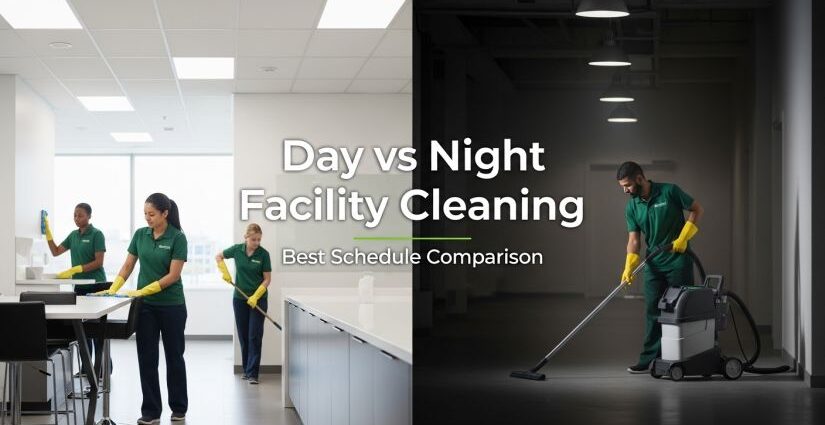
Choosing between day cleaning and night cleaning affects more than just when your janitorial crew arrives. The timing of commercial cleaning services influences employee productivity, security protocols, maintenance costs, and even your facility’s reputation. Facility managers across Spokane, Coeur d’Alene, and North Idaho face this decision regularly, yet many default to after-hours cleaning without exploring whether daytime cleaning services might better serve their operations.

“Over my years running ProTex Janitorial Services, I’ve seen businesses transform their operations simply by adjusting when cleaning happens,” says Rich Greco, owner of ProTex Janitorial Cleaning by Rich Greco. “There’s no universal answer. A medical facility has different needs than a warehouse, and an office building operates differently from a retail store. The right choice depends on your specific business operations, building type, and what you value most: visibility, minimal disruption, or cost efficiency.”

This guide examines the pros and cons of day and night cleaning, helping you decide the best time for your commercial facility. We’ll explore how cleaning during business hours versus after hours impacts everything from employee safety to floor care scheduling, providing the framework you need to optimize your facility management schedule.

Key Takeaways

  • Daytime cleaning offers real-time supervision and immediate issue response, making it ideal for high-traffic facilities where the presence of cleaning staff enhances security and allows instant spill cleanup.
  • Night cleaning provides uninterrupted cleaning with minimal disruption to daily operations, better suited for offices and facilities where quiet, thorough cleaning takes priority over staff interaction.
  • Day porter services bridge the gap by maintaining cleanliness during business hours while nighttime crews handle deep cleaning tasks, creating a combination of day and night cleaning that addresses both immediate and intensive needs.
  • Cost differences between day shift and night shift cleaning vary based on labor rates, utility usage, and security requirements, making financial analysis essential when choosing between day or night cleaning.
  • Building type and occupancy patterns determine optimal cleaning times; retail stores benefit from visible day cleaning, while corporate offices often prefer after-hours janitorial services to avoid workflow interruption.
  • Hybrid day-night cleaning schedules deliver maximum flexibility, allowing routine cleaning during slower periods and specialized tasks when facilities are empty.

Day vs Night Cleaning: Quick Comparison

☀️

Day Cleaning

Real-time supervision
Immediate spill response
Enhanced security (no after-hours access)
Lower energy costs
Visible professionalism
May disrupt workflow
Limited deep cleaning
BEST FOR:
Retail, healthcare, schools, high-traffic facilities
🌙

Night Cleaning

Zero business disruption
Uninterrupted cleaning
Complete facility access
Ideal for deep cleaning
Reduced safety concerns
No direct supervision
Higher utility costs
BEST FOR:
Corporate offices, call centers, quiet work environments
💡 Consider a Hybrid Approach
Combine day porters for maintenance with night crews for deep cleaning to get the best of both worlds.

Understanding Day vs Night Facility Cleaning

The question of whether to schedule cleaning during or after business hours represents one of the most consequential decisions in facility operations strategy. Both approaches deliver clean, safe environments, but they achieve this goal through different operational models that affect your building maintenance schedule, staff workflow, and bottom line.

What Is Daytime Cleaning?

Daytime cleaning refers to janitorial services performed during regular business hours when employees, customers, or building occupants are present. This approach typically involves cleaning staff present during the day who work around active spaces, focusing on high-touch area cleaning, restroom maintenance, and immediate response to spills or maintenance issues.

Daytime cleaning encompasses several service models:

  • Day porter services provide continuous maintenance with on-site staff managing restrooms, common areas, and quick-response cleaning throughout business hours
  • Scheduled daytime cleaning assigns crews to specific time blocks during operational hours, often targeting low-traffic periods
  • Visible maintenance teams that enhance building appearance while occupants are present, demonstrating your commitment to a clean environment
  • Real-time issue response allows immediate cleanup of spills, addressing maintenance problems before they become safety hazards

“When you see cleaning staff during the day, there’s an immediate sense that someone cares about the facility,” Greco explains. “Day porters don’t just clean; they become part of your team. They notice burned-out lights, report maintenance issues, and keep your office building looking professional all day long.”

What Is Night Cleaning?

Night cleaning or after-hours cleaning occurs when facilities are closed or minimally staffed, typically during evening or overnight hours. This traditional approach allows cleaning crews to work without navigating around occupants, enabling more efficient completion of deep cleaning tasks and intensive maintenance activities.

Night cleaning characteristics include:

  • Uninterrupted cleaning allows crews to move freely through spaces, using equipment without concern for noise or workflow disruption
  • After-hours deep cleaning tackles intensive tasks like floor refinishing, carpet extraction, and thorough disinfection
  • Minimal business disruption ensures employees arrive to spotless facilities without witnessing cleaning activities
  • Enhanced security protocols required for nighttime access, with cleaners working under reduced lighting and heightened security measures

The differences between day and night cleaning extend beyond simple timing. Daytime services emphasize visibility, interaction, and rapid response, while nighttime operations prioritize efficiency, thoroughness, and minimal interference with business operations.

The Pros and Cons of Daytime Cleaning

Understanding the benefits and drawbacks of cleaning during business hours helps facility managers evaluate whether this approach aligns with their operational needs and workplace culture.

Benefits of Day Cleaning

Daytime cleaning services deliver distinct advantages that make them increasingly popular across Spokane and Coeur d’Alene commercial facilities:

1. Real-Time Supervision and Quality Control

When cleaning staff are present during the day, facility managers can observe work quality firsthand. This visibility enables immediate feedback, ensures quality control standards are met, and allows direct communication between building managers and janitorial teams. You’re not discovering problems the next morning; you’re watching them get resolved in real time.

2. Immediate Response to Spills and Emergencies

Spills happen during business hours. With day porter services, cleanup occurs within minutes rather than waiting overnight. This rapid response prevents slip-and-fall accidents, protects flooring from permanent damage, and demonstrates your commitment to employee safety. Emergency spill cleanup becomes a routine service rather than a crisis.

3. Enhanced Building Security

Staff present during operational hours means no after-hours building access is required. Security concerns diminish when you don’t need to provide access control after hours to cleaning crews. This reduces theft risk, simplifies access badge management, and eliminates worries about unauthorized access to sensitive areas or equipment.

4. Improved Energy Efficiency

Cleaning when HVAC systems, lighting, and utilities are already running avoids additional energy usage for cleaning. You’re not heating, cooling, or illuminating empty buildings solely for janitorial purposes. This approach reduces utility costs and supports your environmental sustainability cleaning initiatives.

5. Positive Visibility and Brand Perception

“When clients visit your facility and see professional cleaners maintaining high standards, it reinforces your brand,” notes Greco. “That visible commitment to cleanliness communicates professionalism. It’s marketing you didn’t even realize you were doing.”

Clients, vendors, and employees notice staff present during the day, maintaining restroom cleanliness, emptying trash, and keeping common areas pristine. This creates a lasting impression about your facility’s appearance standards and operational excellence.

6. Better Communication and Coordination

Daytime presence facilitates direct communication with facility managers, allowing cleaners to report maintenance issues, coordinate with other service providers, and adjust cleaning priorities based on daily needs. This collaboration improves overall facility operations and prevents small problems from escalating.

Drawbacks of Daytime Cleaning

Despite these advantages, daytime cleaning presents challenges that may not suit every facility:

1. Potential Disruption to Daily Operations

Cleaning activities during business hours can interrupt workflow, create noise, and require employees to navigate around cleaning equipment. While skilled day porters minimize disruption, some businesses find any cleaning presence distracting, particularly in quiet professional environments like law firms or creative studios.

2. Limited Scope for Deep Cleaning

Intensive tasks requiring significant floor space, strong chemical odors, or extended drying times become difficult during business hours. Carpet cleaning, floor refinishing, and high-level dusting often can’t happen when occupants are present, requiring supplemental after-hours services for these deep cleaning tasks.

3. Higher Labor Costs in Some Markets

Depending on regional labor markets, day shift cleaning crews may command higher wages than night shift workers. This wage differential varies by location but can impact your overall maintenance costs when choosing between day or night schedules.

4. Privacy and Confidentiality Concerns

Certain industries handling sensitive information, confidential documents, or private client meetings may prefer cleaning when staff aren’t working. Medical facilities, legal offices, and financial institutions often implement strict protocols limiting when cleaning staff can access certain areas.

5. Traffic and Accessibility Challenges

In high-traffic periods, moving equipment, supplies, and personnel through occupied spaces creates logistical complications. Elevators filled with employees, crowded hallways, and occupied restrooms can slow cleaning efficiency and extend the time required to complete routine cleaning tasks.

The Pros and Cons of Night Cleaning

Traditional after-hours cleaning remains the dominant model across commercial properties, but understanding both its strengths and limitations helps you determine if this approach truly serves your facility’s needs.

Benefits of Night Cleaning

Nighttime cleaning services offer compelling advantages that explain their widespread adoption:

1. Zero Disruption to Business Operations

The most significant benefit of night cleaning is simple: your employees never encounter cleaning activities. They arrive to clean, fresh spaces without disruption. This minimal interruption cleaning approach proves ideal for businesses where focus and quiet matter, such as call centers, accounting firms, and professional services.

2. Uninterrupted, Efficient Cleaning

Without navigating around people, meetings, or office equipment, night shift janitorial crews complete tasks faster and more thoroughly. They move freely, access all areas simultaneously, and maintain consistent workflows. This efficiency often translates to higher cleaning productivity and better overall results.

3. Optimal Timing for Intensive Tasks

After-hours deep cleaning accommodates tasks impossible during business hours: wet floor cleaning, carpet extraction, high-dusting, and strong disinfection protocols. Floors dry overnight, chemical odors dissipate before morning, and your team arrives to spaces that underwent thorough, professional maintenance.

4. Better Access to All Areas

Conference rooms, private offices, and restricted areas become accessible after hours. Cleaning crews don’t work around meetings, wait for rooms to empty, or skip areas because they’re occupied. This complete facility access for cleaners ensures consistent, comprehensive cleaning across your entire property.

5. Reduced Liability and Safety Concerns

Wet floors, cleaning equipment, and moving carts create trip hazards during occupied hours. Nighttime cleaning eliminates these risks when employees aren’t present, reducing liability exposure and preventing accidents that occur when cleaning activities overlap with business operations.

6. Lower Perceived Costs

In many markets, night shift workers accept lower wages than daytime equivalents, potentially reducing labor costs. While this varies regionally and by industry, the perceived cost savings contribute to night cleaning’s popularity among budget-conscious facility managers.

Drawbacks of Night Cleaning

Despite its prevalence, cleaning at night introduces challenges that can compromise quality, security, and long-term value:

1. Lack of Supervision and Quality Control

“The biggest risk with night cleaning is you don’t know what you’re getting until the next morning,” Greco observes. “If something’s missed or done poorly, you discover it when your employees or clients do. That delayed feedback makes maintaining consistent quality harder and resolving issues slower.”

Without direct oversight, ensuring cleaning quality control depends entirely on trust, documented procedures, and periodic inspections. Problems may persist for days before facility managers notice them.

2. Security and Access Control Issues

After-hours access requires providing building keys, security codes, or access cards to cleaning personnel. This creates security concerns at night, increases theft risk, and complicates access management, particularly in facilities with sensitive equipment, inventory, or confidential information. Implementing robust access badge management and security protocols becomes essential but adds complexity.

3. Higher Utility and Energy Costs

Operating HVAC systems, lighting, and building systems after hours solely for cleaning purposes increases energy usage. These utility costs, while often overlooked, accumulate significantly over time. Facilities running climate control and full lighting for a three-hour cleaning shift pay for utilities that would otherwise be off.

4. Delayed Response to Issues

Maintenance problems discovered during night cleaning wait until morning for resolution. A leaking pipe, broken fixture, or security concern identified at 11 PM doesn’t get addressed until staff return the next day, potentially causing additional damage or safety hazards.

5. Staffing Reliability Challenges

Night shift positions often experience higher turnover rates and attendance problems. Finding reliable night shift janitorial crews proves more difficult than daytime hiring, and worker attendance reliability becomes a persistent challenge. This instability can compromise cleaning consistency and force providers to constantly recruit and train new personnel.

6. Reduced Lighting and Working Conditions

Even with building lights on, nighttime presents challenges. Exterior tasks require security lighting, certain areas may have reduced illumination, and working in empty buildings can feel isolating. These conditions affect both cleaning efficiency and worker satisfaction, potentially impacting the thoroughness of the work performed.

Day Porter Services: The Hybrid Solution

Day porter services represent a middle ground between traditional night cleaning and full daytime operations, offering many benefits of staff presence without completely eliminating after-hours cleaning.

Day Porter vs Night Janitor: Understanding the Difference

Two distinct roles that work together for optimal facility maintenance

👨‍🔧

Day Porter

On-Site Maintenance Professional
Working Hours
During business hours (typically 8 AM – 5 PM)
Primary Focus
Maintaining already-clean facilities and immediate response
Key Responsibilities
Restroom monitoring & restocking
Immediate spill cleanup
Common area tidying
Trash & recycling collection
High-touch surface sanitizing
Reporting maintenance issues
Interaction Level
High – Visible to staff and visitors
Best Suited For
High-traffic facilities, retail, healthcare, schools
🧹

Night Janitor

Deep Cleaning Specialist
Working Hours
After business hours (typically 6 PM – 2 AM)
Primary Focus
Comprehensive deep cleaning and intensive maintenance
Key Responsibilities
Vacuuming & floor care
Deep restroom cleaning
Dusting & surface cleaning
Trash removal & disposal
Floor stripping & waxing
Carpet deep cleaning
Interaction Level
Low – Works independently after hours
Best Suited For
Offices, call centers, quiet environments
💡
The Winning Combination
Most successful facilities use both day porters and night janitors. Day porters maintain appearance and handle immediate needs during business hours, while night crews perform thorough deep cleaning. This combination delivers the best possible facility maintenance without compromise.

What Day Porters Provide

Day porters are on-site maintenance team members who maintain cleanliness and respond to immediate needs during business hours, typically working 4-8 hour shifts. Unlike full cleaning crews, day porters focus on maintaining already-clean facilities rather than performing initial deep cleaning.

Typical day porter responsibilities include:

  • Restroom maintenance and supply restocking throughout the day, ensuring facilities never run out of essentials
  • Common area cleaning in lobbies, breakrooms, and conference rooms as they’re used
  • Immediate spill cleanup and emergency response to prevent accidents
  • Trash and recycling collection from individual workspaces and shared areas
  • High-touch surface disinfection, particularly important for healthcare facilities and during illness seasons
  • Facility appearance monitoring, ensuring your building always looks professional
  • Communication liaison between building occupants and facility management

Day porter vs janitor isn’t an either-or choice,” Greco clarifies. “Day porters handle maintenance during the day, while janitors do the heavy lifting at night. Together, they create a combination of day and night services that keeps facilities consistently clean rather than clean once and gradually degrading until the next service.”

When Day Porter Services Make Sense

Certain facility types benefit tremendously from day porter services:

High-Traffic Facilities

Retail stores, shopping centers, and public buildings experience continuous use throughout the day. Waiting until night to address messes accumulated during business hours leaves your facility looking neglected for hours. Day porters maintain cleanliness continually, ensuring your space always meets facility appearance standards.

Medical and Healthcare Facilities

Healthcare facilities require constant attention to health and safety compliance. Day porters provide ongoing disinfection, waste removal, and touchpoint disinfection that can’t wait for after-hours cleaning. This continuous maintenance supports infection control and patient safety.

Educational Facilities

Schools and universities need real-time response to spills, restroom maintenance between classes, and cafeteria cleanup. Day porters keep educational facilities safe and clean throughout school hours while night crews handle classrooms and administrative areas.

Corporate Campuses with Client Traffic

Businesses hosting clients, vendors, or frequent visitors benefit from visible maintenance demonstrating professionalism. Day porters ensure conference rooms, lobbies, and common areas remain spotless, supporting your corporate image maintenance goals.

Food Service and Hospitality

Restaurants, hotels, and event venues require constant cleaning during operational hours. Day porters maintain dining areas, restrooms, and public spaces while specialized crews handle deep cleaning during closed periods.

Combining Day Porters with Night Cleaning

The most effective strategy often involves a hybrid day-night cleaning schedule:

  • Day porters maintain appearance, handle immediate needs, and keep high-traffic areas clean during business hours
  • Night crews perform intensive cleaning, floor care, restroom deep cleaning, and tasks requiring uninterrupted access
  • Specialized teams handle periodic deep cleaning, like carpet extraction and window cleaning, on optimized schedules

This combination of day and night cleaning delivers both immediate response and thorough maintenance, maximizing cleanliness while optimizing costs.

Cost Comparison: Day vs Night Cleaning

Understanding the true cost comparison day vs night requires looking beyond base labor rates to examine total facility operating costs.

Total Cost Analysis: Beyond Labor Rates

Understanding the complete picture of cleaning schedule costs

DAY CLEANING
$$$
Labor Costs Standard
Utilities Low ↓
Security Low ↓
Supervision Included
Quality Control Real-time
TOTAL VALUE
HIGH ROI
NIGHT CLEANING
$$$
Labor Costs Standard
Utilities High ↑
Security High ↑
Supervision Extra Cost
Quality Control Delayed
TOTAL VALUE
MODERATE ROI
RECOMMENDED
HYBRID MODEL
$$$$
Labor Costs Higher
Utilities Moderate
Security Optimized
Supervision Excellent
Quality Control Best
TOTAL VALUE
HIGHEST ROI
💡 Pro Tip from Rich Greco:
“Don’t choose based on upfront cost alone. The cheapest option often costs more long-term when you factor in quality issues, employee complaints, and asset damage from inadequate maintenance.”

Direct Labor Costs

Labor cost differences vary significantly by market. In some regions, night shift workers command premium wages (shift differentials of 10-20%) to compensate for overnight hours. In other markets, daytime positions prove more expensive due to higher demand and better working conditions, attracting more qualified candidates.

Across North Idaho and Eastern Washington, Greco notes: “The wage difference is less dramatic than people expect. Good cleaners know their value regardless of shift. You might save 5-10% on night shift labor, but that savings disappears if you’re dealing with higher turnover or quality issues.”

Utility and Energy Costs

Utility cost impact favors daytime cleaning in most scenarios. Operating HVAC, lighting, and building systems for 3-4 hours solely for night cleaning adds measurable expenses. A typical commercial building might spend $50-100 per cleaning session on utilities that would otherwise be off.

Daytime cleaning uses energy already being consumed for business operations, effectively making utilities a sunk cost rather than an incremental expense of cleaning services.

Security and Access Costs

After-hours cleaning requires additional security measures: access control systems, security guard coordination, alarm system management, and potentially increased insurance premiums. These indirect costs accumulate but often go unconsidered when evaluating janitorial scheduling options.

Quality-Related Costs

Poor cleaning quality generates hidden expenses: additional service calls, employee complaints, health issues from inadequate disinfection, and reputational damage. While difficult to quantify precisely, the hidden costs of poor office cleanliness often exceed any savings from choosing the lowest-cost cleaning schedule.

Total Cost of Ownership

When evaluating ROI of cleaning schedules, consider:

  • Base labor rates for cleaning personnel
  • Utility costs for after-hours building operation
  • Security and access control expenses
  • Supervision and quality control costs
  • Turnover and recruitment expenses
  • Business disruption costs (if applicable)
  • Emergency response capabilities
  • Long-term asset protection (floors, carpets, fixtures)

“Price shopping cleaning services by comparing hourly rates alone misses the bigger picture,” emphasizes Greco. “The cheapest option often costs more long-term when you factor in quality problems, damage from inadequate maintenance, and the management time spent dealing with issues. Reliable cleaning crews deliver more value than low prices.”

Building Type Considerations

Your facility type dramatically influences which cleaning schedule works best. Different building uses create unique requirements, occupancy patterns, and priorities.

Optimal Cleaning Schedule by Building Type

Match your facility type to the most effective cleaning approach

🏢 Office Buildings
Corporate offices, professional services
HYBRID
Day porters + Night cleaning
Best for minimal disruption
🏥 Healthcare Facilities
Medical offices, clinics, hospitals
DAY + 24/7
Continuous maintenance
Infection control priority
🛍️ Retail Stores
Shopping centers, boutiques
DAY
Visible during store hours
Customer impression matters
🎓 Educational Facilities
Schools, universities, training centers
HYBRID
Day porters + Evening crews
Cafeterias need day cleaning
🏭 Industrial & Manufacturing
Warehouses, production facilities
FLEXIBLE
Based on production schedule
Clean during downtime
🍽️ Food Service & Hospitality
Restaurants, hotels, event venues
DAY
During + after service hours
Continuous maintenance
 
Day Cleaning
 
Hybrid/Flexible
 
Night Cleaning

Office Buildings

Traditional office building cleaning has historically occurred after hours, and this approach still works well for many corporate environments. However, increasing numbers of office buildings adopt day porter models to maintain appearance during business hours while night crews handle intensive tasks.

Best approach: Hybrid model with day porters for restrooms and common areas, night cleaning for individual offices and deep cleaning.

Healthcare and Medical Facilities

Medical facilities require 24-hour maintenance. Healthcare facility cleaning must accommodate patient care schedules, comply with strict health and safety compliance standards, and provide immediate response to biological hazards.

Best approach: Continuous day porter presence for patient areas, waiting rooms, and restrooms, with specialized deep cleaning teams working during low-census periods.

Retail Stores and Shopping Centers

Retail environments demand visible cleanliness during operating hours. Customers notice dirty floors, overflowing trash, and neglected restrooms immediately, making daytime maintenance essential for retail store cleaning.

Best approach: Day porters during store hours for public areas, after-hours crews for back-of-house and intensive floor care.

Schools and Educational Facilities

School cleaning schedules must work around class schedules, extracurricular activities, and varying occupancy throughout the year. Educational facilities benefit from both day porters during school hours and comprehensive evening cleaning.

Best approach: Day porters for cafeterias, restrooms, and high-traffic areas during school hours, full cleaning crews in evenings and weekends.

Industrial and Manufacturing Facilities

Industrial cleaning in manufacturing facilities must accommodate production schedules. Many plants run multiple shifts, making traditional “after hours” meaningless. Industrial cleaning schedules typically align with production downtime or slower shifts.

Best approach: Cleaning crews working during production downtime, with day porter support for office areas and break rooms during business hours.

Warehouses and Distribution Centers

Warehouse cleaning operations focus on safety, organization, and specific areas rather than comprehensive facility cleaning. Many warehouses operate 24/7, requiring flexible scheduling around shipping and receiving activities.

Best approach: Scheduled cleaning during slower operational periods, with ongoing maintenance of office areas, break rooms, and restrooms.

Hospitality and Food Service

Restaurants, hotels, and event venues require constant cleaning during operational hours, with deep cleaning during closed periods. These facilities prioritize customer-facing areas while operational, saving back-of-house deep cleaning for off-hours.

Best approach: Continuous cleaning during operating hours for customer areas, intensive cleaning after closing for kitchens, storage, and behind-the-scenes spaces.

Factors to Consider When Choosing Your Cleaning Schedule

Beyond building type, several critical factors influence whether day or night cleaning works best for your business.

Business Operations and Workflow

How does your business operate? A quiet law office has different needs than a bustling call center. Consider:

  • Noise tolerance during business hours
  • Workflow sensitivity to disruption
  • Client and visitor traffic patterns
  • Employee focus requirements
  • Meeting and conference room usage

Businesses where concentration and quiet matter often prefer after-hours cleaning, while those with constant activity may not even notice daytime cleaning presence.

Occupancy Patterns and Peak Hours

When is your facility busiest? Traditional 9-5 offices might prefer night cleaning, but businesses with evening events, late shifts, or 24-hour operations require different approaches. Understanding your occupancy patterns helps identify natural windows for cleaning activities.

Security Requirements

Facilities handling sensitive information, valuable inventory, or confidential materials must carefully evaluate security concerns associated with after-hours access. While reputable cleaning companies thoroughly vet employees and carry insurance, some businesses prefer not providing building access when staff aren’t present.

Budget and Cost Priorities

Your budget influences but shouldn’t solely determine your decision. While labor cost differences matter, consider total cost of ownership including utilities, security, quality, and long-term asset protection. Sometimes the seemingly cheaper option costs more over time.

Facility Size and Complexity

Larger, more complex facilities may require multi-shift facility maintenance simply due to the time required for thorough cleaning. A 200,000-square-foot office building can’t be cleaned adequately by a small crew in a few hours, necessitating extended or overlapping shifts regardless of preference for day or night cleaning.

Health and Safety Regulations

Certain industries face strict health and safety compliance requirements dictating cleaning frequency and timing. Healthcare facilities, food service operations, and childcare centers must maintain specific standards throughout operational hours, often requiring daytime cleaning support.

Employee and Occupant Preferences

Don’t overlook your team’s input. Some employees appreciate seeing cleaning staff maintain their workspace and value the ability to request immediate attention to issues. Others find any cleaning presence distracting and prefer arriving to already-clean spaces. Survey your team to understand their priorities.

Environmental and Sustainability Goals

If environmental sustainability cleaning is a priority, daytime cleaning offers energy efficiency advantages by avoiding after-hours utility consumption. This aligns with green cleaning initiatives and LEED certification goals.

Making the Decision: Which Schedule Is Right for You?

After weighing the pros and cons of daytime and nighttime cleaning, how do you decide which approach works best for your facility?

Should You Choose Day or Night Cleaning?

Answer these key questions to determine your optimal schedule

QUESTION 1
Do you have high foot traffic or customer visits during business hours?
✓ YES
→ Consider Day Cleaning or Day Porters
✗ NO
Night Cleaning may work well
QUESTION 2
Is your work environment extremely quiet or focus-intensive?
✓ YES
Night Cleaning avoids disruption
✗ NO
Day Cleaning is viable
QUESTION 3
Do you need immediate response to spills and maintenance issues?
✓ YES
Day Porters provide real-time response
✗ NO
Night Cleaning suffices
QUESTION 4
Are security and after-hours access a concern for your business?
✓ YES
Day Cleaning reduces security risks
✗ NO
Night Cleaning works fine
QUESTION 5
Do you prioritize energy efficiency and reducing utility costs?
✓ YES
Day Cleaning uses existing utilities
✗ NO
→ Either schedule works
🎯 BEST RECOMMENDATION
Most facilities benefit from a hybrid approach
Combine day porters for immediate maintenance with night crews for deep cleaning to get comprehensive coverage and optimal results.

Assess Your Priorities

Start by ranking what matters most:

  1. Quality and consistency – Do you need direct oversight and real-time quality control?
  2. Minimal disruption – Is avoiding any distraction to daily operations paramount?
  3. Cost efficiency – Are you optimizing for lowest total cost of ownership?
  4. Security – Do you have concerns about after-hours building access?
  5. Immediate response – Is rapid spill cleanup and issue resolution critical?
  6. Appearance – Does visible cleanliness during business hours matter?

Your priorities guide your decision. A retail store prioritizing appearance chooses differently than a corporate office prioritizing minimal disruption.

Evaluate Your Current Situation

If you currently use night cleaning, ask:

  • Are we consistently satisfied with cleaning quality?
  • Do we discover problems only after they’ve existed for hours?
  • Are spills and messes accumulating during the day?
  • Do visitors see our facility at its worst before evening cleaning?
  • Are we spending extra on utilities for after-hours cleaning?

Affirmative answers suggest exploring daytime cleaning or day porter services might improve your situation.

If you currently use day cleaning, consider:

  • Does cleaning activity disrupt business operations?
  • Are there tasks we can’t complete during business hours?
  • Do employees complain about cleaning presence?
  • Would intensive deep cleaning be more effective after hours?

These signals indicate night cleaning or a hybrid approach might better serve your needs.

Consider a Hybrid Approach

“Most facilities benefit from some combination rather than pure day or night cleaning,” Greco advises. “Maybe you need day porters for restrooms and common areas but prefer offices cleaned after hours. Or perhaps you want night cleaning normally but need specialty cleaning services during specific periods for events or seasonal needs.”

combination cleaning model offers maximum flexibility:

  • Morning crews prepare facilities for the day, handling overnight messes and ensuring spaces open clean
  • Day porters maintain cleanliness during business hours, responding immediately to needs
  • Evening/night crews perform deep cleaning, floor care, and intensive maintenance
  • Specialized teams handle periodic services like carpet cleaning or window washing on optimal schedules

Trial Periods and Flexibility

Don’t view your decision as permanent. Many commercial cleaning services offer flexible contracts allowing schedule adjustments. Consider:

  • Testing day porter services for 90 days to evaluate benefits
  • Starting with night cleaning and adding daytime maintenance if needed
  • Adjusting schedules seasonally based on occupancy patterns
  • Modifying approaches as your business evolves

Your cleaning schedule should adapt to your business, not the reverse.

Implementing Your Optimal Cleaning Schedule

Once you’ve decided on the best time of day for your commercial facility to be cleaned, successful implementation requires planning and clear communication.

Partnering with the Right Janitorial Service Provider

Not all cleaning companies offer flexible scheduling options. When evaluating janitorial service providers, ensure they:

  • Offer both day and night cleaning services
  • Provide experienced day porter teams if needed
  • Demonstrate flexibility to adjust schedules as your needs change
  • Maintain adequate janitorial staffing levels for reliable service
  • Use janitorial management software for coordination and reporting
  • Carry appropriate insurance and train staff in safety protocols

ProTex Janitorial Services has built our reputation on flexibility,” Greco notes. “We serve facilities across North Idaho and Spokane with customized schedules matching their operations. Whether you need day porters in Sandpoint, night crews in Post Falls, or combination schedules in Spokane Valley, we adapt to your needs rather than forcing you into rigid schedules.”

Establishing Clear Expectations

Successful janitorial scheduling requires documented expectations covering:

  • Specific cleaning tasks to be performed during each shift
  • Quality standards and inspection criteria
  • Communication protocols for reporting issues
  • Response times for emergency cleanups
  • Building access procedures and security requirements
  • Coordination with other service providers
  • Frequency of specialized services like carpet cleaning or floor refinishing

Clear service level agreements prevent misunderstandings and ensure both parties understand responsibilities.

Training and Onboarding

Whether day or night cleaning, proper training for janitorial staff ensures consistent results. Your cleaning provider should:

  • Train staff on your facility’s specific requirements
  • Certify cleaners in appropriate protocols and safety procedures
  • Provide orientation on your building layout and access
  • Establish relationships between cleaners and facility staff
  • Ensure familiarity with proper disinfection protocols

Monitoring and Quality Assurance

Regardless of schedule, maintaining cleaning quality control requires ongoing oversight:

  • Regular inspections using standardized quality control checklists
  • Digital maintenance logs and reports tracking completed tasks
  • Feedback mechanisms for employees to report concerns
  • Periodic audits ensuring compliance with contracted services
  • Performance metrics tracking consistency and reliability

Modern janitorial management software and smart cleaning technology enable real-time monitoring, creating accountability regardless of when cleaning occurs.

Communication and Coordination

Successful cleaning schedules depend on effective communication with facility managers. Establish:

  • Primary contacts for both daytime and after-hours issues
  • Protocols for reporting maintenance discoveries
  • Methods for requesting additional services or schedule changes
  • Regular meetings reviewing performance and addressing concerns
  • Emergency contact procedures for urgent situations

Frequently Asked Questions

What are the main differences between day and night cleaning?

Day cleaning occurs during business hours with staff present, offering real-time supervision and immediate spill response but potentially disrupting operations. Night cleaning happens after hours, providing uninterrupted access and minimal disruption but lacking direct oversight and requiring additional security measures and utility costs.

How much more expensive is day cleaning compared to night cleaning?

Cost differences vary by market and total analysis scope. While some regions show 5-10% labor cost variations, daytime cleaning often reduces utility expenses by avoiding after-hours HVAC operation. Total cost differences typically range from negligible to 15%, depending on your facility’s specific circumstances and chosen service model.

Can we switch from night to day cleaning if we’re unhappy?

Yes, reputable janitorial providers offer flexible contracts allowing schedule adjustments. Consider testing alternative schedules through pilot programs before committing fully. Most facilities successfully transition between day, night, or hybrid models by coordinating with their cleaning provider and communicating changes to building occupants.

What is a day porter and do we need one?

Day porters are on-site maintenance professionals working during business hours to maintain cleanliness, restock supplies, and respond immediately to spills or issues. Facilities with high traffic, client visitors, or requiring constant presentation typically benefit most from day porter services supplementing regular janitorial cleaning.

How do we maintain security with night cleaning crews?

Implement strict access control using timed security badges, verify all cleaning personnel through background checks, install security cameras in sensitive areas, and ensure your cleaning company carries adequate insurance and bonding. Reputable providers like ProTex thoroughly vet employees and maintain comprehensive security protocols.

Is hybrid cleaning more expensive than choosing just day or night?

Hybrid models may show slightly higher labor costs due to multiple shifts, but they often deliver better overall value through optimized efficiency. Day porters handle quick tasks during business hours while night crews complete intensive work, reducing total labor hours needed while improving cleanliness, consistency, and occupant satisfaction.

How long does it take to see results from changing cleaning schedules?

Most facilities notice immediate differences in appearance and cleanliness. However, evaluating whether a schedule truly works requires 60-90 days to assess factors like employee satisfaction, operational disruption, cost impact, and consistency. Allow adequate trial periods before making final schedule decisions.

What cleaning tasks must happen after hours, regardless of our preference?

Intensive floor care, including stripping, refinishing, and buffing, typically requires after-hours completion due to drying time and safety concerns. Deep carpet extraction, high-dusting, and strong chemical disinfection also work better after hours. Even facilities preferring day cleaning usually need supplemental after-hours services for these specialized tasks.


🧹

Ready to Optimize Your Facility’s Cleaning Schedule?

ProTex Janitorial Services offers flexible day, night, and hybrid cleaning solutions tailored to your North Idaho or Spokane facility’s unique needs.

Custom Schedules
Trained Professionals
Free Consultation
SERVING:
Spokane • Coeur d’Alene • Sandpoint • Post Falls • Hayden • Liberty Lake • Spokane Valley
And all of North Idaho & Eastern Washington

Conclusion: Choosing the Best Cleaning Schedule for Your Facility

The decision between day vs night facility cleaning isn’t about which approach is objectively superior. It’s about which model aligns with your business operations, facility type, budget, and priorities. Daytime cleaning offers visibility, immediate response, and enhanced security, while nighttime cleaning provides uninterrupted access and minimal disruption. For many facilities, a hybrid approach combining day porters with night crews delivers optimal results.

“Your cleaning schedule should support your business goals, not constrain them,” emphasizes Rich Greco. “Whether you choose day cleaning, night cleaning, or a combination, what matters most is partnering with a reliable janitorial service that understands your needs and adapts its approach accordingly. At ProTex, we’ve been helping North Idaho and Spokane businesses optimize their facility cleaning operations for years, and we know there’s no one-size-fits-all solution.”

Take time to evaluate your facility’s unique requirements, consult with experienced commercial cleaning professionals, and be willing to adjust your approach as needs evolve. The right cleaning schedule enhances your workplace environment, protects your investment in facilities, and demonstrates your commitment to employee well-being and professional appearance.

Ready to explore which cleaning schedule works best for your facilityContact ProTex Janitorial Services for a consultation. We’ll assess your specific needs, discuss your priorities, and recommend a customized approach delivering exceptional cleanliness on a schedule that supports your operations. Whether you need routine daily maintenance, specialized services, or flexible hybrid scheduling, our team provides the expertise and reliability North Idaho and Spokane businesses trust.

Request your free cleaning estimate today and discover how the right cleaning schedule transforms your facility’s appearance, efficiency, and reputation.

Facility Manager Guide for Working with Janitorial Teams

Working with Your Janitorial Team: A Facility Manager’s Guide

When you manage a facility in Northern Idaho or Spokane, Washington, your relationship with your janitorial team can make or break daily operations. Whether you oversee a bustling office building in Coeur d’Alene, a manufacturing plant in Post Falls, or a retail complex in Spokane Valley, the partnership between facility managers and cleaning crews determines everything from first impressions to employee satisfaction.

“After three decades in the cleaning industry across the Inland Northwest, I’ve seen how a strong facility manager-janitorial partnership transforms workplaces,” says Rich Greco, owner of ProTex Janitorial Cleaning. “The facilities that run smoothest aren’t necessarily those with the biggest budgets—they’re the ones where communication flows freely and expectations are crystal clear.”


By The Numbers: Facility Manager Priorities

Data-driven insights shaping the Inland Northwest janitorial industry

👥
146K
U.S. Facility Managers
Average age 50, controlling significant cleaning budgets
📊
$78B
U.S. Janitorial Market
2023 value, growing at 2.8% CAGR through 2030
⚠️
4
Top Switching Reasons
Poor training, no-shows, missing items, lack of communication
🌱
60%
Prioritize Eco-Friendly
Facility managers value sustainable cleaning practices
💰
$30-50
Cost Per Lead (SEO)
Inbound marketing vs $200+ for cold calling
❄️
15ft
Entry Matting Required
Minimum for Inland Northwest winter conditions

Did You Know? Facility managers cite continuous maintenance, first-impression concerns, and health & safety compliance as their top three pain points—areas where strong janitorial partnerships make the biggest impact.

This comprehensive guide explores proven strategies for facility managers who want to optimize their cleaning operations, build lasting partnerships with professional janitorial services, and create consistently clean, healthy environments that support organizational goals.

Key Takeaways

  • Establish clear service level agreements (SLAs) with defined key performance indicators (KPIs) and a detailed scope of work (SOW) to eliminate ambiguity and ensure accountability from day one.
  • Implement structured communication systems including regular site walk inspections, quarterly business reviews (QBRs), and a single point of contact to maintain alignment and quickly resolve issues.
  • Adapt cleaning protocols to regional challenges such as snow season entry matting, weather-related cleaning protocols, and cold climate maintenance practices specific to the Idaho Panhandle and Spokane region.
  • Leverage technology and data through digital checklists, NFC or QR code checkpoints, response time tracking, and customer satisfaction scores (CSAT) to measure performance objectively and drive continuous improvement.
  • Build trust through transparency by documenting completion with photo evidence, maintaining detailed audit trails, and implementing corrective action plans that demonstrate your commitment to excellence.
  • Invest in the partnership by conducting regular training, sharing facility-specific priorities, coordinating around blackout dates and high-traffic periods, and treating janitorial staff as valued members of your facility operations team.

Understanding the Foundation: What Facility Managers Need from Janitorial Services

Effective facility management starts with recognizing that janitorial services are not merely vendors—they’re strategic partners in maintaining your property’s value, ensuring regulatory compliance, and supporting occupant wellbeing.

Defining Your Facility’s Cleaning Requirements

Before engaging any cleaning service, facility managers must conduct a thorough assessment of what their facility requires. This foundation shapes everything from your cleaning schedule to your budget allocation.

Start with a comprehensive facility audit that documents:

  • Total square footage by space type (offices, bathrooms, lobbies, conference rooms, breakrooms)
  • Traffic patterns identifying high-traffic areas versus low-use zones
  • Special surfaces requiring specific care (VCT, carpet, tile and grout, stone, specialty floor finishes)
  • High-touch surface locations demanding frequent disinfection
  • Areas with unique requirements (healthcare clinic standards, food-safe areas, data center cleaning protocols)

Rich Greco emphasizes this critical first step: “Regional facility managers often underestimate how our Inland Northwest weather impacts cleaning needs. Snow season entry matting isn’t optional—it’s essential for protecting floors and preventing slip hazards. When we assess a new facility, we’re looking at everything from seasonal moisture control to how cold temperatures affect cleaning solutions.”

Establishing Your Scope of Work (SOW)

Your scope of work serves as the contractual backbone of your janitorial partnership. A well-crafted SOW eliminates confusion and provides clear acceptance criteria for every space.

Essential SOW components include:

  1. Task-frequency matrix outlining what gets cleaned and how often
  2. Priority levels (P1–P4) defining urgency for different areas
  3. Service map by space type showing coverage expectations
  4. Detailed floor care plan with strip and wax, scrub and recoat, and burnishing frequency
  5. Specialty cleaning requirements like carpet extraction schedule, pressure washing coordination, or stone care maintenance
  6. Emergency response procedures for spills, floods, or urgent sanitation needs

For Northern Idaho facilities and Spokane Washington businesses, your SOW should explicitly address regional considerations. Facilities in Kootenai County, Bonner County, and Boundary County face distinct challenges compared to mild-climate regions. Your cleaning requirements must account for entryway moisture control, snow tracking, and the impact of wood-burning season on indoor air quality.

Building Your Service Level Agreement (SLA) Framework

A robust service level agreement transforms vague expectations into measurable commitments. This contractual framework protects both parties while ensuring your facility receives consistent service delivery.

Key Performance Indicators (KPIs) That Matter

Generic KPIs rarely drive meaningful improvement. Instead, facility managers should focus on metrics that directly impact their facility operations and occupant experience.

High-value KPIs for janitorial services include:

  • Response time targets for routine requests and emergencies (measure mean time to respond or MTTR)
  • Defect rate tracking identifying cleaning issues per inspection
  • Rework rate showing how often tasks require correction
  • First pass yield measuring tasks completed correctly initially
  • Customer satisfaction score (CSAT) from occupant surveys
  • Waste diversion rate for sustainability programs
  • Training records retention confirming ongoing staff development

7 Essential KPIs for Janitorial Performance

First Pass Yield

Tasks completed correctly on the first attempt—the gold standard for efficiency

95%+ Target Rate

Response Time

Mean time to respond (MTTR) for routine and emergency requests

<2 hrs Standard
😊

CSAT Score

Customer satisfaction from occupant surveys and feedback

4.5+/5 Excellence

Defect Rate

Cleaning issues identified per inspection cycle

<5% Target

Rework Rate

Tasks requiring correction or re-cleaning

<3% Optimal
🌱

Waste Diversion

Percentage diverted from landfill through recycling programs

60%+ Sustainable
📚

Training Records

Staff certifications and ongoing development documentation

100% Compliant

Pro Tip: Track these KPIs monthly and review trends quarterly to identify improvement opportunities before issues become systemic.

“We track our first pass yield religiously,” explains Rich Greco. “If our crews can’t get it right the first time, we’re wasting everyone’s time and money. Our facility management systems flag any area requiring rework, and we address the root cause immediately—whether it’s training, equipment, or process issues.”

Creating Your Communication Cadence

Poor communication consistently ranks among the top reasons facility managers switch cleaning companies. Establishing a predictable communication cadence prevents small issues from becoming major problems.

Implement these communication touchpoints:

  • Daily: Shift handoff notes between day porter services and night crews
  • Weekly: Supervisor huddles to review upcoming events and special requests
  • Bi-weekly: Quick check-ins with your single point of contact
  • Monthly: Site walk inspections with documented findings
  • Quarterly: Formal quarterly business reviews (QBRs) examining trends and opportunities

Your Communication Cadence Framework


Daily Touchpoints

Shift handoff notes between day porter and night crews

1
 
 
7

Weekly Check-ins

Supervisor huddles to review events and special requests

Bi-Weekly Updates

Quick status meetings with single point of contact

14
 
 
30

Monthly Site Walks

Documented facility inspections with findings reports

Quarterly Business Reviews

Formal QBRs examining performance trends and opportunities

90
 

Consistency is Key: Establishing predictable touchpoints prevents small issues from escalating into major problems and builds trust through reliable communication.

For Pacific Northwest janitorial services, weather can disrupt schedules unexpectedly. Your communication protocol should include rapid notification procedures when conditions like ice storms or heavy snow affect access or timing.

Optimizing Your Cleaning Schedule for Maximum Efficiency

The right cleaning schedule balances thoroughness with budget constraints while minimizing disruption to daily operations. Facility managers must think strategically about timing, staffing, and task allocation.

Zone Cleaning Model vs. Team Cleaning Model

Two primary approaches dominate professional janitorial services: zone cleaning and team cleaning. Each offers distinct advantages depending on your facility’s layout and needs.

Zone cleaning model assigns individual cleaners to specific areas, creating ownership and accountability. Each team member becomes intimately familiar with their zone’s unique requirements—ideal for facilities with distinct spaces requiring specialized knowledge.

Team cleaning model deploys crews that move through the facility together, with each member performing specific tasks (vacuuming, restroom care, trash removal). This approach enhances efficiency in large, uniform spaces and provides better coverage during absences.

For office and commercial buildings in Spokane Valley or Liberty Lake, hybrid approaches often work best. Conference room resets and executive suite protocols benefit from zone familiarity, while open work areas suit team efficiency.

Workloading Analysis and Staffing Matrix

Professional facility management requires matching labor hours to actual cleaning demands. Under-staffing leads to rushed work and quality problems; over-staffing wastes budget.

Conduct regular workloading analysis:

  1. Reference ISSA cleaning times for standard tasks
  2. Calculate realistic time requirements by area type
  3. Account for hard-to-reach areas and specialty work
  4. Build in time for restroom turnover standards and high-dusting schedule
  5. Add buffer for unexpected spills or maintenance

Your staffing matrix should map coverage across shifts:

  • Day porter services (6 AM–2 PM): High-visibility areas, restroom monitoring, spill response
  • Evening crew (5 PM–12 AM): Primary cleaning when occupancy is low
  • Night crew scheduling (11 PM–6 AM): Deep cleaning, floor care, noisy equipment
  • Weekend crews: Catch-up work, special projects, facility preparations

Optimal Staffing Matrix by Shift

Strategic coverage ensuring quality without waste

 
☀️

Day Porter Services

6 AM – 2 PM

Primary Focus:
  • High-visibility areas
  • Restroom monitoring
  • Spill response
  • Lobby & entrance upkeep
Best For: High-Traffic Hours
 
🌆

Evening Crew

5 PM – 12 AM

Primary Focus:
  • Primary cleaning tasks
  • Office & workspace cleaning
  • Restroom deep cleaning
  • Trash removal
Best For: Low Occupancy
 
🌙

Night Crew

11 PM – 6 AM

Primary Focus:
  • Deep cleaning projects
  • Floor care (strip/wax)
  • Noisy equipment use
  • Intensive restoration
Best For: Uninterrupted Work
 
📅

Weekend Crews

Flexible Schedule

Primary Focus:
  • Catch-up work
  • Special projects
  • Facility preparations
  • Event setup/teardown
Best For: Special Needs

Inland Northwest Insight: Manufacturing facilities in Sandpoint and Hayden often require third-shift coverage, while medical facilities need disinfection protocols that can’t wait until night.

“In the Inland Northwest region, we’ve learned that flexibility is key,” notes Rich Greco. “Manufacturing facilities in Sandpoint or Hayden might need cleaning crews during third shift, while medical facilities require disinfection protocols that can’t wait until night. Our management software tracks these patterns so we can optimize scheduling and ensure productivity.”

Mastering Communication with Your Janitorial Teams

Clear communication stands as the single most critical factor in successful facility-cleaning partnerships. When communication breaks down, even excellent janitorial professionals struggle to meet expectations.

Establishing Your Single Point of Contact

Avoid the chaos of multiple team members issuing conflicting instructions to cleaning crews. Designate a single point of contact on both sides—typically the facility manager and the janitorial account supervisor.

This person serves as the communication hub:

  • Receives and prioritizes all cleaning requests
  • Coordinates around your holiday and event calendar
  • Manages the change order process for scope adjustments
  • Handles the escalation matrix when issues arise
  • Documents all significant communications in your audit trail

The Power of Kickoff Meetings and QBRs

Start every new partnership—or contract renewal—with a comprehensive kickoff meeting. Walk through the entire facility together, discussing expectations for each space type, reviewing after-hours access procedures, and clarifying blackout dates.

“That initial walkthrough is sacred time,” emphasizes Rich Greco. “We take facility managers through every room, showing them our approach to everything from elevator and stairwell care to conference room resets. We identify first impression zones that need extra attention and discuss any noise-minimized operations required around occupied spaces.”

Quarterly business reviews maintain momentum beyond the honeymoon phase. These structured sessions review:

  • Performance data against KPIs
  • Customer satisfaction trends
  • Safety incidents and corrective actions
  • Process improvements and efficiency gains
  • Budget tracking and cost per square foot analysis
  • Upcoming facility changes affecting cleaning needs

Implementing Quality Assurance Programs That Work

Hope is not a quality control strategy. Facility managers need systematic approaches to verify that cleaning standards are consistently met across all areas and shifts.

Site Walk Inspections and Digital Checklists

Regular site walk inspections provide objective evidence of performance. Rather than reacting to complaints, proactive walks catch issues before occupants notice them.

Structure your inspection program:

  • Conduct weekly walks covering 20-25% of your facility
  • Rotate inspection times to evaluate all shifts fairly
  • Use standardized digital checklists aligned with your SOW
  • Implement NFC or QR code checkpoints at key locations to verify completion
  • Document findings with photo evidence showing both defects and exceptional work
  • Share results within 24 hours with specific feedback

Modern facility management software streamlines this process. Rather than paper forms that disappear into files, digital platforms create permanent audit trails, track trends over time, and trigger automatic corrective action plans when scores fall below thresholds.

For specialized janitorial services in regulated environments—healthcare facilities, food processing, or clean manufacturing—your quality assurance program must also verify compliance documentation like SDS (safety data sheets), bloodborne pathogen training, and PPE compliance.

Implementing Corrective Action Plans

When inspections reveal deficiencies, immediate response matters more than perfection. Your quality assurance program should include a standardized corrective action process:

  1. Document the defect with photos and location details
  2. Classify by severity (P1 urgent to P4 minor)
  3. Notify the responsible party immediately
  4. Investigate root causes (training gap, equipment failure, unclear SOW?)
  5. Implement corrective measures with timelines
  6. Verify completion through follow-up inspection
  7. Track patterns to prevent recurrence

“When something goes wrong—and it will occasionally—transparency and speed determine whether trust grows or erodes,” says Rich Greco. “We maintain detailed records showing how we responded, what we changed, and how we verified the fix. That documentation becomes our track record of continuous improvement.”

Benchmarking Against APPA Levels

The Association of Physical Plant Administrators (APPA) provides standardized cleanliness levels that help facility managers communicate expectations objectively. Rather than subjective terms like “clean enough,” APPA levels define specific visual standards:

  • Level 1 (Orderly Spotlessness): Pristine condition, typically reserved for healthcare operating rooms or executive suites
  • Level 2 (Ordinary Tidiness): Facility appears freshly cleaned with no noticeable dust or debris—the target for most office cleaning situations
  • Level 3 (Casual Inattention): Clean but not perfect, suitable for warehouse and industrial areas
  • Level 4 (Moderate Dinginess): Noticeable issues but functional
  • Level 5 (Unkempt Neglect): Unacceptable in occupied spaces

APPA Cleanliness Level Standards

Industry-recognized benchmarks for objective quality assessment

1 Best

Orderly Spotlessness

Pristine condition with no visible dust, stains, or debris. Reserved for critical spaces.

Healthcare ORs Executive Suites
2 Target

Ordinary Tidiness

Facility appears freshly cleaned with no noticeable dust or debris. Standard for most offices.

Office Buildings Lobbies Conference Rooms
3 OK

Casual Inattention

Clean but not perfect. Some dust or minor debris may be visible. Acceptable for utility areas.

Warehouses Storage Areas Back-of-House
4 Poor

Moderate Dinginess

Noticeable dirt, stains, and debris. Functional but not acceptable for occupied spaces.

Requires Immediate Attention
5 Fail

Unkempt Neglect

Unacceptable condition with significant dirt, trash buildup, and health hazards present.

Unacceptable for Any Occupied Space

ProTex Standard: We target Level 2 (Ordinary Tidiness) for all client-facing areas and ensure no space ever falls below Level 3 standards.

Specify APPA targets for each zone in your SOW. First impression zones like lobbies warrant Level 2, while back-of-house storage might accept Level 3. This framework creates shared understanding and objective acceptance criteria.

Managing Access, Security, and Safety Protocols

Janitorial staff work throughout your facility, often during unoccupied hours. Robust protocols protect both your property and the cleaning professionals who maintain it.

Access Control and Key Management

Develop comprehensive procedures governing how janitorial teams access your building:

  • Issue access control badges tracked by individual cleaner
  • Maintain a detailed key management log recording check-out and return
  • Define after-hours access procedures including alarm codes and emergency contacts
  • Require background screening for all staff entering your facility
  • Update access immediately when personnel change

For facilities housing sensitive information—law offices, medical practices, financial institutions—consider limiting individual access to assigned zones. Your certificate of insurance (COI) should include coverage for theft and data breaches, not just general liability.

Safety Committee Collaboration and Joint Risk Assessments

Cleaning involves inherent hazards: wet floors, chemical exposure, ladder work, confined spaces. Facility managers bear responsibility for providing safe working conditions, while janitorial companies must train staff properly.

Conduct joint risk assessments covering:

  • Slip, trip, fall prevention with clear wet floor signage protocol
  • Ladder safety procedures including proper equipment and supervision
  • Hazard communication (HazCom) ensuring cleaners understand chemical risks via SDS
  • PPE compliance for tasks requiring gloves, goggles, or respirators
  • Bloodborne pathogen training for restroom care and spill response
  • Confined space entry protocols if cleaning includes utility areas

“Safety isn’t negotiable,” states Rich Greco firmly. “Every member of our cleaning crews receives comprehensive safety training before setting foot in a facility. We conduct regular toolbox talks, maintain detailed training records, and participate actively in client safety committees. When facility managers see our commitment to protecting our team, they know we’ll protect their property and people too.”

Emergency Response and Business Continuity

Your emergency response procedures should integrate janitorial services seamlessly. When water pipes burst, HVAC systems fail, or weather events strike, rapid cleaning response minimizes damage and downtime.

Document procedures for:

  • Emergency callback protocol reaching supervisors 24/7
  • Spill response kit placement and proper use
  • Storm response readiness including snow removal coordination
  • Pandemic playbook updates based on lessons from COVID-19
  • Notice to cure process for urgent compliance issues

In the Spokane region and Idaho Panhandle area, winter emergencies are routine. Your janitorial partner should understand snow season entry matting placement, ice melt product selection that won’t damage floors, and rapid response when roof leaks or frozen pipes create water damage.

Navigating Regional Considerations for the Inland Northwest

Facility managers in Northern Idaho and Spokane, Washington face unique challenges that coastal or sunbelt properties never encounter. Your janitorial partnership must account for these regional realities.

Weather-Related Cleaning Protocols and Cold Climate Maintenance

The Inland Northwest region experiences harsh winters with snow, ice, and temperature swings that impact cleaning operations significantly. Facility managers cannot simply copy generic cleaning plans—they need cold climate maintenance practices specifically designed for our region.

Critical winter adaptations include:

  • Enhanced entry matting programs with multiple walk-off zones (minimum 15 feet of matting)
  • Frequent floor care addressing salt, sand, and moisture tracking
  • Daily restroom checks for mud and debris (occupancy-based scheduling may require hourly monitoring)
  • Adjusted cleaning solutions that remain effective in cold entry areas
  • Equipment winterization preventing frozen hoses and solution tanks
  • Extra attention to indoor environmental quality as buildings seal tight against cold

Inland Northwest Winter Cleaning Adaptations

Critical protocols for harsh winter conditions in Northern Idaho & Spokane

❄️ Standard Approach

✅ Inland Northwest Adaptation

Entry Matting
Single mat, 3-6 feet coverage
Enhanced Entry Program
Multiple walk-off zones, minimum 15 feet of matting to capture salt, sand & moisture
Floor Care Frequency
Weekly mopping schedule
Intensive Floor Maintenance
Daily (sometimes hourly) attention to entries addressing salt, sand & moisture tracking
Restroom Monitoring
2-3 times daily
Occupancy-Based Checks
Hourly monitoring during storms for mud & debris from snow-covered footwear
Chemical Selection
Standard all-season products
Cold-Climate Solutions
Specialized products that remain effective in freezing entry areas
Equipment Prep
Standard maintenance
Winterization Protocol
Prevent frozen hoses & solution tanks in unheated areas
Indoor Air Quality
Standard ventilation
Enhanced IAQ Focus
Extra attention as buildings seal tight against cold; HEPA filtration critical
📍

Serving Cold-Climate Communities

Coeur d’Alene • Sandpoint • Post Falls • Hayden • Spokane Valley • Liberty Lake
Facilities across Kootenai County, Bonner County, and Boundary County face unique challenges that Seattle or Portland properties never encounter.

Rich Greco’s Insight: “When temperatures drop below freezing for weeks at a time, moisture control becomes critical. It’s not just about cleaning—it’s about protecting your floors and preventing slips.”

“Facilities in Coeur d’Alene, Sandpoint, Post Falls, and Hayden face challenges that Seattle or Portland properties don’t,” explains Rich Greco. “When temperatures drop below freezing for weeks at a time, moisture control becomes critical. We adjust our methods, increase frequency in entry zones, and use specialized products that work in cold conditions. It’s not just about cleaning, it’s about protecting your floors and preventing slips.”

Service Coverage Map and Regional Response Time

Geography matters in the Pacific Northwest. A janitorial company based exclusively in Spokane might struggle to provide consistent service to facilities in Bonner County or Shoshone County. Understanding your provider’s service coverage map and realistic regional response time prevents frustration.

When evaluating professional janitorial services, ask specifically:

  • Where are supervisors based relative to your facility?
  • What’s the emergency callback protocol response time to your location?
  • Do they employ local cleaning crews who live near your property?
  • How do they handle cross-state facility coordination between Idaho and Washington?
  • Which regional maintenance vendors do they partner with for equipment or supplies?

For nearby commercial properties with multiple locations across the region, consistency matters. Your cleaning standards in North Spokane commercial buildings should match those in Liberty Lake or the Idaho Panhandle area, requiring standardized training and quality oversight.

Leveraging Technology for Smarter Facility Management

Modern facility management software and emerging technologies transform how managers coordinate with janitorial teams, track performance, and optimize operations.

CMMS, CAFM, and IWMS Integration

Enterprise facility management platforms provide the digital backbone for coordinating all maintenance activities, including janitorial services. Understanding how professional cleaning teams integrate with these systems maximizes your technology investment.

CMMS (Computerized Maintenance Management System) creates work orders for cleaning tasks, tracks completion, and manages preventive maintenance schedules. Your janitorial team should be able to receive assignments, update status, and close tickets directly in your CMMS work order system.

CAFM (Computer-Aided Facility Management) platforms add space management and asset tracking. When you need to extend the life of flooring or furnishings, CAFM systems coordinate lifecycle planning for finishes with your cleaning protocols. Your tile and grout restoration schedule, VCT strip and wax program, and carpet extraction schedule all tie into CAFM data.

IWMS (Integrated Workplace Management System) encompasses real estate, capital planning, and operations. These enterprise platforms often include BIM (Building Information Model) space data reference that helps cleaning crews understand room layouts, asset tag maintenance requirements, and preventive maintenance tie-ins.

“We’ve invested heavily in technology that talks to client systems,” notes Rich Greco. “When a facility manager submits a work order through their helpdesk ticket system, it flows directly to our crews. We update status in real-time, and completion triggers notification. No phone tag, no lost requests—just seamless integration that keeps many facilities running smoothly.”

IoT Sensors and Occupancy-Based Scheduling

Smart building technology enables occupancy-based scheduling that adjusts cleaning intensity based on actual usage rather than fixed calendars. IoT restroom sensors monitor foot traffic, consumable levels, and even hygiene compliance, triggering cleaning when needed rather than on arbitrary schedules.

Smart dispensers provide par level inventory data automatically, alerting facility managers before soap, paper towels, or toilet tissue run out. This real-time visibility prevents the embarrassing “no paper in the restroom” complaints that damage facility manager reputations.

For high-traffic areas like cafeterias, lobbies, or public restrooms, occupancy data reveals usage patterns you can’t see with traditional methods. Perhaps your Tuesday afternoon conference room schedule requires additional event setup and teardown support, or Friday morning restroom traffic is 40% higher than Monday. Data-driven insights allow you to streamline operations and deploy janitorial staff precisely where needed.

Robotics-Assisted Vacuuming and Route Optimization

Emerging automation doesn’t replace janitorial teams—it amplifies their effectiveness. Robotics-assisted vacuuming handles large, open floor areas while human cleaners focus on detailed work requiring judgment and dexterity.

Route optimization software plans the most efficient path through facilities, reducing time wasted traveling between areas. For large industrial facilities or sprawling campus environments, optimized routes can cut 10-20% from total labor hours while improving thoroughness.

These technologies particularly benefit industrial cleaning operations where square footage is vast but many areas are relatively straightforward. Robots handle the warehouse aisles; skilled technicians tackle loading dock sanitation, specialized equipment cleaning, and areas requiring safety protocols.

Specialized Cleaning for Unique Environments

Different facility types demand different approaches. Generic office cleaning protocols fail in regulated, specialized, or high-sensitivity environments that many facility managers oversee.

Healthcare and Medical Facility Standards

Medical facilities require infection prevention protocols far beyond standard office cleaning. Your janitorial teams must understand:

  • Dwell time adherence ensuring disinfectants remain wet on surfaces for manufacturer-specified contact time
  • Dilution control systems preventing under- or over-concentration of cleaning agents
  • Microfiber program using color-coded cloths to prevent cross-contamination
  • HEPA filtration vacuums capturing particles that ordinary vacuums recirculate
  • Healthcare clinic standards including proper sharps disposal protocol
  • HIPAA-aware cleaning zones where staff understand patient privacy requirements

Electrostatic disinfection and UV-C supplemental disinfection technologies enhance traditional cleaning, particularly during flu season or pandemic conditions. However, technology never replaces proper training and consistent execution of fundamentals.

Food Service and HACCP Compliance

Food service facilities face stringent regulatory requirements. Cleaning teams must maintain food-safe areas using HACCP-compliant procedures that prevent contamination and support health inspections.

Critical protocols include:

  • Separate equipment and tools for food-contact surfaces
  • Food-grade cleaning chemicals properly stored
  • Breakroom hygiene standards preventing pest attraction
  • Waste stream segregation with appropriate disposal
  • Cross-contamination controls using color-coded tools program
  • Regular audits documenting compliance

For facilities with food preparation or serving areas, your cleaning checklist should align with health department requirements. Partner with janitorial companies that understand the stakes—a failed health inspection due to cleaning deficiencies can shut down operations.

Manufacturing and Industrial Environments

Manufacturing and production facilities present unique challenges requiring specialized janitorial services that understand industrial operations.

Key considerations include:

  • GMP-compliant spaces in pharmaceutical or regulated manufacturing
  • Lab cleaning procedures protecting sensitive equipment and preventing contamination
  • Cleanroom adjacent practices maintaining appropriate particle counts
  • Loading dock sanitation managing the inside-outside transition zone
  • Equipment and cleaning protocols that don’t interfere with production schedules
  • Pest prevention cleanliness eliminating food sources and harborage

“Industrial cleaning isn’t just bigger brooms and mops,” explains Rich Greco. “We work with manufacturing facilities that have specific requirements around timing—they can’t have cleaning crews disrupting production lines. We coordinate around maintenance windows, understand which chemicals are compatible with their processes, and train our teams on the safety protocols unique to each environment.”

Building Sustainable Cleaning Programs

Green cleaning has evolved from nice-to-have to business imperative. Facility managers increasingly face pressure to demonstrate environmental responsibility while maintaining health and safety standards.

Implementing Your Green Cleaning Policy

A comprehensive green cleaning policy goes beyond purchasing eco-labeled products. It encompasses chemical selection, equipment efficiency, waste reduction, and continuous improvement toward sustainability goals.

Foundation elements include:

  • EPA Safer Choice products for routine applications
  • LEED O+M alignment if pursuing or maintaining LEED certification
  • Green Seal-certified chemicals and equipment
  • Microfiber program reducing chemical and water consumption
  • HEPA vacuums improving indoor air quality
  • Touchless fixtures reducing water waste and cross-contamination
  • Fragrance-free policy for occupants with asthma and allergy considerations
  • Recycling program and composting program support
  • Sustainability reporting metrics tracking progress

For eco-friendly cleaning in Idaho and Spokane green cleaning services, focus on providers who understand regional environmental priorities. The Inland Northwest values clean water, forest health, and air quality—your cleaning program should reflect these community values.

Third-Party Certification: ISSA CIMS and GBAC

Don’t just take vendors’ word for their green credentials. Third-party certification provides objective verification of cleaning excellence and safety standards.

ISSA CIMS (Cleaning Industry Management Standard) certification with Green Building designation (CIMS-GB) demonstrates that a cleaning company has implemented robust management systems covering quality, safety, environmental stewardship, and social responsibility. Only companies meeting stringent requirements earn this recognition.

GBAC STAR (Global Biopreparedess Accreditation for Cleaning) gained prominence during COVID-19 but remains relevant for any facility requiring biopreparedness. GBAC STAR readiness proves your janitorial partner maintains protocols, training, and systems to respond rapidly to infectious disease outbreaks or biohazards.

When evaluating professional janitorial services, ask about current certifications and request documentation. These credentials separate legitimate professionals from companies merely claiming expertise.

Financial Management and Contract Administration

Effective facility management requires understanding the business side of janitorial partnerships—from initial vendor onboarding through ongoing invoice management.

Understanding Pricing Models and Total Cost of Ownership

Most janitorial services quote based on cost per square foot, but this single metric conceals important details. Smart facility managers evaluate total cost of ownership (TCO) including:

  • Base cleaning service fees
  • Consumables management (who supplies paper, soap, trash liners?)
  • Special projects and deep cleaning outside regular scope
  • Equipment provided by contractor versus client
  • Day porter services and emergency callbacks
  • Management overhead and supervision
  • Training and quality assurance programs

Lower per-square-foot costs often hide higher TCO when consumables, equipment replacement, or poor quality driving rework are factored in. Rich Greco advises: “Ask for detailed breakdowns showing exactly what’s included. The cheapest bid usually becomes the most expensive relationship once you account for the hidden costs of inconsistent service.”

The Master Service Agreement and Purchase Order Process

Formal contract administration protects both parties through clear documentation of terms, responsibilities, and remedies.

Your master service agreement (MSA) should address:

  • Services scope and detailed cleaning requirements
  • Pricing structure and budget variance tracking
  • Invoice reconciliation procedures and payment terms
  • Purchase order process for out-of-scope work
  • Insurance requirements and certificate of insurance (COI) updates
  • Notice to cure process and termination for cause clauses
  • Performance bond requirements if applicable
  • Dispute resolution and escalation matrix
  • Change order process governing scope modifications
  • Contractor code of conduct and compliance expectations

For multi-site facility managers or those managing substantial portfolios, standardized MSAs enable efficient administration while allowing site-specific SOWs to address unique needs at each location.

Training, Development, and Continuous Improvement

The best cleaning solutions fail without skilled, motivated people executing them consistently. Facility managers should view training as a shared responsibility, not solely the vendor’s concern.

Skills Verification and Learning Management Systems

How do you know your janitorial staff possesses the skills they claim? Request access to their learning management system (LMS) showing training completion, certifications, and skills verification checklists for each team member assigned to your facility.

Comprehensive training covers:

  • Basic cleaning techniques and proper product use
  • Safety protocols and PPE compliance
  • Customer service and professional conduct
  • Equipment operation and maintenance
  • Green cleaning principles
  • Specialty procedures unique to your facility
  • Emergency response protocols

“We maintain detailed training records not just for compliance but because it directly impacts performance,” notes Rich Greco. “When a new team member starts on a facility, they complete a structured onboarding covering everything from proper mopping techniques to how we want locker room sanitation handled. That investment in training pays dividends in quality and consistency.”

Continuous Improvement Log and Performance Feedback

Great partnerships get better over time. Implement a continuous improvement log capturing ideas, feedback, and lessons learned from both sides.

Regular improvement opportunities include:

  • Quarterly review of defect rate tracking identifying patterns
  • Workloading analysis adjustments based on actual time requirements
  • Pilot testing of new chemicals, equipment, or procedures
  • Toolbox talks addressing specific quality or safety topics
  • Occupant surveys measuring satisfaction and gathering suggestions
  • Vendor scorecard tracking performance against agreed KPIs
  • Benchmark comparisons against industry standards

Create a continuous feedback loop where janitorial supervisors share observations about facility conditions, wear patterns, or emerging issues. Front-line cleaners often notice maintenance problems before anyone else—leaking pipes, HVAC issues, pest evidence, or safety hazards. An open communication culture turns your cleaning team into extra eyes protecting your property.

Creating a Culture of Partnership and Mutual Respect

Beyond contracts, checklists, and KPIs, successful facility-janitorial relationships rest on mutual respect and recognition that everyone shares the goal of a clean and functional environment.

Treating Janitorial Professionals as Valued Team Members

Despite essential work, cleaning professionals often feel invisible or undervalued. Facility managers who demonstrate genuine respect for janitorial staff see better performance, lower turnover, and proactive problem-solving.

Simple practices that build respect:

  • Learn and use cleaners’ names
  • Say “thank you” regularly, especially for extra effort
  • Provide appropriate space for break rooms and equipment storage
  • Ensure staff working conditions are safe and dignified
  • Recognize outstanding performance publicly
  • Include cleaning supervisors in relevant facility meetings
  • Solicit their input on operational improvements
  • Support their professional development

“When facility managers treat our teams like valued partners rather than ‘just the cleaning crew,’ the difference is dramatic,” emphasizes Rich Greco. “People take pride in their work when they feel respected. They’ll go the extra mile, spot potential problems early, and genuinely care about maintaining the facility to the highest standards.”

Celebrating Successes and Learning from Setbacks

Acknowledge when things go well. Did your lobby look exceptional for an important visitor? Was the post-event cleanup after a major conference flawless? Tell the team specifically what impressed you and why it mattered.

When problems occur—and they will—resist the urge to assign blame. Instead, ask “what can we learn from this?” and “how do we prevent recurrence?” A commitment to excellence means viewing setbacks as improvement opportunities.

Facility managers in the Inland Northwest benefit from a collaborative regional culture. We’re not trying to squeeze every penny from vendors; we’re building long-term partnerships that help both organizations succeed. That mindset, applied consistently, creates relationships that weather challenges and deliver exceptional results year after year.


Ready to Transform Your Facility’s Cleanliness?

Partner with ProTex Janitorial Services for reliable, professional cleaning that elevates your facility across Northern Idaho and Spokane, Washington.

30+
Years of Experience
100%
Satisfaction Focus
24/7
Emergency Response
Local
Inland Northwest

Proudly Serving

Coeur d’Alene • Sandpoint • Post Falls • Hayden • Spokane Valley • Liberty Lake
Kootenai County • Bonner County • Boundary County • Shoshone County

Frequently Asked Questions

What should be included in a facility cleaning checklist?

A comprehensive cleaning checklist should specify tasks by area, frequency, and quality standards. Include high-touch surfaces (door handles, light switches, elevator buttons), restroom fixtures, floors, trash removal, and specialty items like ceiling vent dusting or baseboard detailing. Reference APPA levels for each zone and note any hard-to-reach areas requiring special equipment or procedures. Digital checklists with photo verification enhance accountability and create audit trails.

How often should facility managers conduct site inspections with janitorial teams?

Most facilities benefit from weekly site walk inspections covering different areas each time, ensuring complete facility coverage monthly. Schedule quarterly in-depth walkthroughs examining everything from grout sealing schedule compliance to high dusting quality. For regulated environments like medical or food facilities, increase frequency to multiple times weekly. Always inspect during different shifts to evaluate both day porter and night crew performance fairly.

What are the most important KPIs for measuring janitorial service performance?

Priority KPIs include first pass yield (tasks completed correctly initially), response time to requests, customer satisfaction scores from occupants, defect rate per inspection, and rework rate requiring corrections. Track safety metrics like slip-and-fall incidents, training completion rates, and regulatory compliance documentation. For sustainability goals, monitor waste diversion rates and chemical usage. Always tie KPIs directly to outcomes that matter for your facility operations.

How can facility managers improve communication with cleaning crews?

Establish a single point of contact on both sides to funnel all requests and feedback. Implement daily shift handoff notes, weekly supervisor huddles, and monthly face-to-face meetings. Use facility management software enabling real-time work order submission and status updates. Create visual reference guides showing exactly how each space should look. Most importantly, provide specific, timely feedback—both recognition for excellent work and constructive guidance when standards aren’t met.

What certifications should professional janitorial services have?

Look for ISSA CIMS certification, demonstrating structured management systems for quality and safety. For green cleaning commitments, verify CIMS-GB (Green Building) designation. Healthcare facilities should prioritize GBAC STAR accreditation for infection prevention protocols. Ensure current general liability insurance, workers’ compensation coverage, and bonding. For specialized environments, confirm relevant training like bloodborne pathogen certification, OSHA compliance, or industry-specific credentials matching your facility’s requirements.

How do weather conditions in Northern Idaho affect janitorial needs?

The Inland Northwest region experiences harsh winters demanding enhanced entry matting programs, frequent floor care to address salt and moisture, adjusted cleaning solutions for cold temperatures, and intensive attention to indoor environmental quality. Snow season requires multiple walk-off zones, daily (sometimes hourly) attention to entries during storms, and specialized equipment winterization. Summer brings wildfire smoke concerns affecting indoor air quality. Regional janitorial partners understand these seasonal variations and adapt protocols accordingly.

What’s the difference between routine cleaning and deep cleaning?

Routine cleaning maintains daily or weekly standards—trash removal, surface wiping, vacuuming, restroom care, and basic floor maintenance. Deep cleaning tackles accumulated grime, reaches neglected areas, and restores surfaces to like-new condition. This includes carpet extraction, VCT strip and wax, tile and grout restoration, high dusting, baseboard detailing, and hard-to-reach fixture cleaning. Schedule deep cleaning quarterly or biannually depending on traffic and facility type. Both are essential for comprehensive facility management.

How should facility managers handle janitorial service complaints from occupants?

Implement a clear helpdesk ticket system capturing complaint details, location, and urgency. Assign priority levels (P1-P4) determining response speed. Forward to your janitorial single point of contact immediately with expected resolution timeline. For urgent issues, call rather than email. Document the complaint, response actions, completion time, and follow-up verification. Track patterns—repeated complaints about specific areas or issues signal systemic problems requiring root-cause analysis and corrective action plans.

What should be included in a master service agreement with janitorial services?

Your MSA must define detailed scope of work, pricing and payment terms, insurance requirements with periodic COI updates, performance standards and KPIs, communication cadence and single points of contact, change order process for scope modifications, escalation matrix for dispute resolution, termination clauses with notice periods, safety and compliance requirements, background screening policies, and access control procedures. Include attachments showing your cleaning schedule, staffing matrix, and facility-specific protocols. Review and update annually.

How can facility managers support green cleaning initiatives?

Specify EPA Safer Choice or Green Seal-certified products in your SOW. Implement microfiber programs and HEPA filtration equipment reducing chemical use and improving air quality. Install smart dispensers and touchless fixtures conserving resources. Establish recycling programs and waste stream segregation protocols. Support fragrance-free policies for occupants with sensitivities. Measure progress through sustainability reporting metrics tracking chemical usage, waste diversion rates, and water consumption. Partner with janitorial services holding ISSA CIMS-GB certification demonstrating genuine environmental commitment.

What role does technology play in modern facility-janitorial partnerships?

Modern facility management software integrates janitorial work orders into centralized platforms, enabling real-time tracking and completion verification. Digital checklists with NFC or QR code checkpoints provide objective documentation replacing paper forms. IoT restroom sensors trigger occupancy-based scheduling matching cleaning intensity to actual usage. Smart dispensers monitor consumables and alert before supplies run out. Route optimization increases efficiency in large facilities. CMMS integration coordinates all maintenance activities including preventive tasks. These technologies enhance transparency, accountability, and efficiency throughout your cleaning operations.

How should facility managers coordinate special events with janitorial teams?

Maintain a shared holiday and event calendar showing all activities affecting cleaning. Provide advance notice (minimum two weeks) for major events requiring event setup and teardown, pre-event cleaning, or post-event restoration. Specify conference room resets, furniture arrangements, and blackout dates when no regular cleaning can occur. Discuss first impression zones needing extra attention before high-visibility events. Clearly define expectations, timelines, and budget for out-of-scope work. Schedule a post-event debrief capturing lessons learned for future improvements.

What are best practices for managing janitorial services across multiple facilities?

Develop standardized master service agreements with facility-specific scope of work attachments addressing unique needs at each location. Implement consistent KPIs and measurement methods enabling valid cross-site comparisons. Use enterprise facility management software providing visibility across your entire portfolio. Conduct regional vendor scorecards and quarterly business reviews examining aggregate performance. Balance centralized contracting efficiency with local expertise—regional facility managers need autonomy for day-to-day decisions within corporate frameworks. Consider cross-state facility coordination challenges if properties span multiple jurisdictions.

How can facility managers reduce turnover among janitorial staff assigned to their building?

Create welcoming environments treating janitorial professionals with respect and dignity. Learn names, express appreciation regularly, and recognize outstanding performance. Provide appropriate spaces for breaks and secure equipment storage. Ensure safe working conditions and proper equipment and cleaning supplies. Solicit input on operational improvements—front-line cleaners have valuable insights. Support professional development and training opportunities. Address disrespectful behavior from building occupants immediately. Stable janitorial teams familiar with your facility deliver consistently better results than high-turnover situations requiring constant retraining.

What emergency response procedures should facility managers establish with janitorial services?

Document emergency callback protocol with 24/7 supervisor contact information and guaranteed response time targets. Define which situations require immediate response versus next-business-day handling. Establish spill response procedures with appropriate cleanup supplies and PPE. Create storm response readiness plans addressing weather events like flooding, roof leaks, or ice damage. Include pandemic playbook protocols learned from COVID-19. Clarify after-hours access procedures and decision authority. Specify notification requirements for property damage, injuries, or security concerns. Review and practice these procedures annually, ensuring everyone knows their role when emergencies strike.

How do facility managers balance cleaning quality with budget constraints?

Conduct thorough workloading analysis, ensuring labor hours match actual requirements—avoid over-staffing or unrealistic expectations. Prioritize spending on high-traffic areas and first impression zones while accepting lower standards in back-of-house spaces. Implement zone cleaning or team cleaning model,s optimizing efficiency. Track cost per square foot and total cost of ownership, including consumables and rework costs from poor quality. Invest in preventive maintenance like regular floor care plans that extend the life of expensive surfaces. Consider in-house versus contracted services for areas where direct employees might be cost-effective.

Conclusion: Your Roadmap to Janitorial Excellence

Working effectively with your janitorial team isn’t complicated, but it does require intentional effort. The facility managers who consistently achieve clean and tidy, well-maintained environments share common practices:

They establish clear expectations through detailed SOWs and measurable KPIs. They communicate consistently using structured cadences and single points of contact. They inspect regularly with objective checklists and follow up promptly. They invest in relationships built on mutual respect and shared goals.

Whether you manage a small retail store in Hayden, a sprawling educational facility in Spokane, or an automotive facility in Coeur d’Alene, these principles apply equally. The specifics may vary—your cleaning schedule, specialty protocols, or seasonal challenges—but the foundation remains constant.

About ProTex Janitorial Cleaning by Rich Greco

For over thirty years, ProTex Janitorial Services has delivered exceptional commercial cleaning solutions throughout Northern Idaho and Spokane, Washington. From routine office cleaning to specialized industrial services, our team understands the unique challenges facing regional facility managers in the Inland Northwest.

We serve Coeur d’Alene, Sandpoint, Post Falls, Hayden, Spokane Valley, Liberty Lake, and communities throughout Kootenai County, Bonner County, Boundary County, and Shoshone County. Our expertise spans diverse environments, including office and commercial buildings, medical facilities, retail stores, manufacturing operations, and educational facilities.

Contact ProTex today to discuss how our professional janitorial services can support your facility management goals. Request your free estimate or explore our comprehensive service offerings designed specifically for Pacific Northwest facilities.

Ready to elevate your facility’s cleanliness standards? Connect with Rich Greco and the ProTex team to schedule a facility assessment and discover the difference that true partnership makes.”

How Facility Cleanliness Builds Trust & Brand Reputation

How Facility Cleanliness Builds Trust & Brand Reputation

The Power of First Impressions in Building Brand Credibility

When customers enter your facility, they form judgments within the first 7 seconds—and cleanliness is one of the most powerful signals that shape those initial perceptions. A well-maintained facility doesn’t just look good; it communicates professionalismattention to detail, and a genuine commitment to customer experience. In today’s competitive business environment, where brand reputation can make or break success, the impact of cleanliness extends far beyond aesthetics.

Every touchpoint in the customer journey sends a message about your brand image. From the moment visitors step into your lobby to their interactions in restrooms, meeting spaces, and common areas, cleanliness plays a crucial role in shaping how customers perceive your brand. A spotless environment signals that you care about quality, safety, and the well-being of everyone who walks through your doors.

“In my years working with businesses across Spokane and Northern Idaho, I’ve seen firsthand how facility cleanliness directly influences customer decisions,” explains Rich Greco, owner of ProTex Janitorial Services. “A clean and well-maintained space isn’t just about appearance—it’s about building trust from the very first impression. When clients see that you prioritize cleanliness, they naturally assume you bring that same level of care to everything you do.”

Research consistently demonstrates that cleanliness directly affects customer perception, purchase decisions, and long-term loyalty. The areas where cleanliness influences your brand extend from first contact areas like lobbies and entryways to behind-the-scenes spaces that reflect your operational standards. Understanding this connection empowers businesses to make strategic investments in professional cleaning services that deliver measurable returns through enhanced brand credibility and customer trust.

Key Takeaways

  • Facility cleanliness is essential for creating positive first impressions that build brand equity and customer confidence within the critical first 7 seconds of contact
  • Cleanliness standards directly impact customer satisfaction, repeat business, and word-of-mouth referrals, with studies showing that clean environments increase purchase likelihood by up to 40%
  • Maintaining a clean facility reduces health and safety risks while demonstrating commitment to cleanliness that resonates with employees, customers, and stakeholders
  • Professional cleaning services deliver consistent results through proven cleaning protocols, trained staff, and quality assurance systems that maintain the highest cleanliness standards
  • Investment in cleanliness generates strong ROI through reduced absenteeism, improved employee morale, enhanced brand perception, and competitive differentiation in your market
  • Strategic cleaning programs aligned with your brand values—including eco-friendly cleaning practices—strengthen your overall brand position and support ESG and CSR alignment initiatives

The Critical First 7 Seconds

7
seconds to form a first impression
40%
sales increase in clean retail environments
20%
reduction in employee absenteeism

Cleanliness directly influences customer trust — from the moment they walk through your door, every surface tells a story about your brand’s commitment to quality and professionalism.

Understanding How Cleanliness Shapes Brand Perception

The Psychology of Cleanliness and Trust

The human brain processes environmental cues instantaneously, making snap judgments about safety, quality, and trustworthiness based on visual and sensory information. Cleanliness ranks among the most powerful of these cues, triggering what researchers call the “halo effect of cleanliness”—when a clean space leads people to assume positive qualities about the organization, its products, and its people.

This psychological response operates on multiple levels:

Cognitive Processing:

  • First impressions form within 50 milliseconds of visual contact
  • Attention to the first 7 seconds proves critical for establishing positive associations
  • Sensory cleanliness cues including visual order, fresh scents, and tactile surfaces all contribute to perceived quality
  • The brain associates cleanliness and hygiene with competence, reliability, and care

Emotional Response:

  • clean environment triggers feelings of calm, safety, and comfort
  • Well-maintained spaces reduce anxiety and stress responses
  • Spotless conditions create a sense of trust and confidence that extends beyond the physical environment
  • Emotional reactions to cleanliness operate largely at the subconscious level, influencing behavior before rational thought

Trust Formation:

  • Clean business environments signal attention to detail across all operations
  • Customers associate cleanliness with quality control, safety standards, and ethical practices
  • Consistently clean facilities demonstrate reliability and follow-through
  • Trustworthiness heuristics rely heavily on cleanliness as a proxy for overall organizational quality

The Moment of Truth: Critical Touchpoints Where Cleanliness Matters Most

Service blueprinting identifies customer journey touchpoints where cleanliness affects brand perception most dramatically. These “moments of truth” represent opportunities to build trust or risk losing customer confidence:

Entry Experience (First Contact):

  • Entryway cleanliness creates immediate impressions about your standards
  • Lobby appearance standards should reflect your premium brand position
  • Matting systems following the 15-foot matting rule reduce soil entry while signaling professionalism
  • Glass doors and windows serve as billboards for your cleanliness commitment

Restroom Standards:

  • Restroom cleanliness benchmarks rank as the #1 factor customers use to judge overall facility hygiene
  • Poor restroom conditions can override positive impressions from other areas
  • Regular day porter services ensure restrooms maintain a clean standard throughout business hours
  • Touchpoint mapping identifies high-traffic times requiring extra attention

Customer-Facing Spaces:

  • Reception areas, waiting rooms, and consultation spaces require highest cleanliness standards
  • Product display areas and retail spaces directly link cleanliness to merchandise quality
  • Meeting rooms and conference spaces reflect your professionalism and preparation

Employee Areas:

  • Breakroom hygiene practices affect staff health, morale, and their representation of your brand
  • Clean employee spaces demonstrate that you value your team
  • Behind-the-scenes cleanliness influences how staff discuss your company externally

Where Cleanliness Influences Brand Trust Most

Customer perception impact by facility touchpoint

Restrooms 95%
CRITICAL
Lobby & Entryway 90%
CRITICAL
Meeting Rooms 85%
HIGH IMPACT
Breakrooms 75%
HIGH IMPACT
Common Areas 70%
MODERATE

Pro Tip: Prioritize resources on high-impact areas where cleanliness creates the strongest first impressions and lasting brand associations.

“Every surface tells a story about your organization,” notes Rich Greco. “When we work with clients on developing cleaning protocols, we map out these critical touchpoints and create cleaning frequency matrices that ensure consistent standards where they matter most. The goal is creating an environment that builds trust at every interaction point.”

The Business Impact: How Cleanliness Affects Your Bottom Line

Direct Financial Returns from Facility Cleanliness

Investing in cleanliness delivers measurable financial benefits that extend far beyond the cost of professional cleaning:

The Business Impact of Professional Cleaning

Measurable returns on investment across key business metrics

Employee Absenteeism
15-20%
Reduction in sick days and health-related absences
Productivity Gains
5-15%
Improvement in employee focus and output
Asset Lifecycle
20-30%
Extension of flooring, furniture & fixtures
Revenue Impact
Clean retail stores see 20-40% higher sales than comparable facilities with poor cleanliness standards.
Customer Retention
Superior cleanliness increases customer loyalty by 30%+ through enhanced satisfaction and trust.
Average ROI: 200-400%
Professional cleaning services typically deliver returns of 2-4x the investment when accounting for all measurable benefits including reduced costs, increased productivity, and revenue growth.

Increased Sales and Revenue:

  • Retail studies show clean stores generate 20-40% higher sales than comparable dirty stores
  • Customers spend more time browsing in clean and organized environments
  • Positive impressions directly correlate with purchase likelihood
  • Clean spaces reduce price sensitivity—customers perceive higher value

Customer Retention:

  • Customer satisfaction scores improve dramatically with superior cleanliness
  • Trust and loyalty develop through consistent cleanliness standards
  • Repeat business rates increase when facilities exceed cleanliness expectations
  • Net promoter score influence from cleanliness can boost referrals by 30% or more

Operational Efficiency:

  • Preventive maintenance alignment through proper cleaning extends asset lifecycles
  • Facility cleaning programs reduce repair costs and replacement frequency
  • Well-maintained facilities operate more efficiently with fewer emergency repairs
  • Total cost of ownership decreases when cleanliness prevents deterioration

Risk Mitigation:

  • Slip and fall prevention through proper cleaning practices reduces liability exposure
  • Health and safety compliance protects against regulatory penalties
  • Infection control protocols minimize disease transmission and associated costs
  • Facility risk mitigation plans incorporate cleanliness as a core component

Employee Well-Being and Productivity Gains

The impact of cleanliness on workforce performance represents one of the most significant yet often overlooked benefits:

Health Outcomes:

  • Indoor air quality improvements through proper facility cleaning reduce respiratory issues
  • HEPA filtration and MERV 13 filtration systems combined with regular cleaning enhance air quality
  • Absenteeism reduction of 15-20% documented in facilities with superior cleanliness programs
  • Presenteeism decrease—employees perform better when not distracted by poor conditions

Morale and Engagement:

  • Employee well-being initiatives including workplace cleanliness boost job satisfaction
  • Clean and well-maintained work environments demonstrate organizational respect for staff
  • Psychological safety cues from clean surroundings support mental health
  • Team pride increases when workplaces maintain highest cleanliness standards

Productivity Metrics:

  • Studies link clean environments to 5-15% productivity improvements
  • Reduced distractions from odors, clutter, and visual disorder
  • Better focus and concentration in well-maintained spaces
  • Enhanced creativity and problem-solving in orderly environments

Competitive Differentiation Through Cleanliness Excellence

In crowded markets, cleanliness serves as a powerful differentiator:

Market Positioning:

  • Strong brand reputation built on consistent cleanliness standards creates competitive moats
  • Perceived quality elevation through superior environmental maintenance
  • Premium pricing justified by attention to detail across all touchpoints
  • Brand trust signals that distinguish your organization from competitors

Industry-Specific Advantages:

Building Your Brand Through Strategic Cleanliness Standards

Developing Comprehensive Cleaning Protocols

Cleaning standard operating procedures (SOPs and checklists) form the foundation of consistent brand-building cleanliness:

Assessment and Planning:

  1. Conduct risk assessment matrices identifying high-impact areas
  2. Map customer journey touchpoints requiring priority attention
  3. Establish standards of cleanliness aligned with brand positioning
  4. Define cleaning frequency matrices based on traffic and usage patterns

Protocol Development:

  • Create detailed SOPs for each facility type and area
  • Specify products, methods, and dwell time for different surfaces
  • Include material safety considerations and fixture compatibility guidelines
  • Integrate sanitizing vs disinfecting protocols based on surface type and risk level

Quality Standards:

  • Implement quality assurance audits with objective measurement criteria
  • Utilize ATP testing for biological contamination verification
  • Establish log reduction targets for critical surfaces
  • Deploy third-party inspections for unbiased performance validation

Recommended Cleaning Frequency by Facility Type

Optimal schedules for maintaining brand-appropriate cleanliness standards

Facility Type Daily Day Porter Recommended
Healthcare Facilities YES YES Multiple daily cleanings + on-call
Retail Stores YES HIGH TRAFFIC Daily + porter for busy periods
Office Buildings YES OPTIONAL Nightly cleaning after hours
Educational Facilities YES RECOMMENDED Daily + lunch/break periods
Hospitality YES YES Multiple daily + 24/7 response
Manufacturing YES VARIES Shift-based + production clean

Custom Scheduling: ProTex Janitorial Services develops tailored cleaning frequency matrices based on your facility’s traffic patterns, brand standards, and budget considerations.

“We’ve found that businesses with documented cleaning protocols and regular quality assurance audits maintain significantly better cleanliness standards than those relying on informal approaches,” explains Rich. “The consistency that comes from systematized processes plays a crucial role in maintaining the strong reputation that enhances brand value over time.”

Selecting the Right Cleaning Partner

Choosing professional cleaning services requires careful evaluation beyond cost considerations:

Credentials and Certifications:

  • ISSA CIMS certification demonstrates commitment to quality management systems
  • GBAC STAR accreditation validates infection prevention expertise
  • Green Seal GS-42 certification ensures environmental responsibility
  • Staff training and certification in specialized cleaning techniques

Service Capabilities:

  • Comprehensive service offerings including routine cleaningspecialty cleaning, and industrial cleaning
  • Flexibility for after-hours cleaning strategy that minimizes business disruption
  • Occupancy-based scheduling adapting to your facility’s unique patterns
  • Emergency response capabilities for incident management

Technology and Innovation:

  • Modern cleaning management software for tracking and reporting
  • Real-time cleaning logs providing transparency and accountability
  • QR code transparency boards allowing instant access to cleaning histories
  • Electrostatic spraying and ULV fogging for comprehensive surface coverage

Communication Systems:

  • Stakeholder communication protocols keeping you informed
  • Complaint resolution processes with defined response times
  • Regular supervisor inspections with documented results
  • KPIs and SLAs clearly defining performance expectations

Implementing Green Cleaning for Brand Enhancement

Eco-friendly cleaning programs deliver dual benefits—superior cleanliness and enhanced brand reputation:

The Eco-Friendly Cleaning Advantage

How sustainable cleaning practices enhance both brand reputation and occupant health

70%
Customer Preference
of customers prefer businesses demonstrating environmental responsibility
Reduced Toxicity
Lower VOC products improve indoor air quality and reduce chemical sensitivities
+
Brand Enhancement
ESG alignment strengthens reputation with environmentally conscious stakeholders
Key Green Cleaning Certifications
Green Seal GS-42
Commercial cleaning services
EPA Safer Choice
Product certification
UL EcoLabel
Multi-attribute standard
ProTex Green Cleaning Program
Our eco-friendly cleaning solutions combine EPA Safer Choice products, low-VOC formulations, and sustainable practices to protect both your brand reputation and occupant health—without compromising cleaning effectiveness.

Environmental Benefits:

  • EPA Safer Choice and UL EcoLabel products reduce chemical exposure
  • Low VOC products improve indoor air quality for occupants
  • Water stewardship practices minimize environmental impact
  • Waste reduction and recycling and diversion programs support sustainability

Brand Advantages:

  • Sustainable cleaning programs resonate with environmentally conscious customers
  • ESG and CSR alignment strengthens corporate responsibility positioning
  • Marketing opportunities through environmental certifications
  • Competitive differentiation in markets valuing green cleaning

Health and Safety:

  • EPA List N disinfectants provide effective pathogen control without harsh chemicals
  • Antimicrobial efficacy maintained while reducing toxic exposures
  • Cross-contamination prevention through color-coded microfiber systems
  • Occupant health outcomes improve with reduced chemical sensitivities

Industry-Specific Cleanliness Strategies That Build Trust

Healthcare and Medical Facilities

Healthcare facility cleaning demands the highest standards where cleanliness literally saves lives:

Critical Requirements:

  • Infection control protocols following CDC and OSHA guidelines
  • High-touch surface disinfection with verified contact time adherence
  • Pathogen risk mitigation through validated cleaning methods
  • OSHA 1910 hygiene standards compliance for worker safety

Brand Impact:

  • Patient confidence directly correlates with visible cleanliness
  • Hospital janitorial quality affects patient satisfaction scores and reimbursement
  • Dental office cleaning and medical office cleaning standards influence patient retention
  • Regulatory compliance protections maintain good reputation and operating licenses

ProTex Janitorial Services provides specialized medical facility cleaning that meets stringent healthcare standards while building trust with patients and staff throughout Spokane and Northern Idaho healthcare facilities.

Educational Facilities: Schools and Universities

Educational facility cleaning creates learning environments that support student success:

Student Health Protection:

  • Kootenai County educational facility cleaning reduces illness transmission
  • School cleaning services minimize absenteeism during flu season
  • University cleaning services maintain healthy dormitory and classroom conditions
  • Hand hygiene compliance support through proper restroom maintenance

Institutional Reputation:

  • Facility cleanliness influences enrollment decisions
  • Campus tours highlight cleaning standards as quality indicators
  • Parent confidence grows from well-maintained educational spaces
  • Brand credibility builds through consistent environmental excellence

Commercial Office and Retail Environments

Office and commercial buildings and retail stores leverage cleanliness for competitive advantage:

Office Cleaning Excellence:

  • Spokane Valley office cleaning and Liberty Lake commercial spaces requiring professional standards
  • Hybrid work models demanding flexible cleaning schedules
  • Breakroom hygiene supporting employee wellness programs
  • Carpet and floor maintenance preserving asset value

Retail Success Factors:

  • Clean store environments directly increase sales conversion
  • Product presentation enhanced by immaculate surroundings
  • Commercial carpet cleaning maintaining brand-appropriate appearance
  • Customer experience optimization through cleanliness excellence

Industrial and Manufacturing Facilities

Manufacturing facility cleaning demonstrates operational discipline:

Safety and Compliance:

  • Industrial cleaning reducing accident risks and regulatory violations
  • Warehouse cleaning services supporting inventory protection
  • Hazard communication and SDS compliance in chemical handling
  • Aerospace facility cleaning meeting stringent industry specifications

Operational Excellence:

  • Food processing plant sanitation preventing contamination
  • Industrial cleaning supporting quality control systems
  • Manufacturing production efficiency through organized, clean work areas
  • Vendor and customer tour readiness reflecting organizational standards

Hospitality and Food Service

Hospitality cleaning directly influences booking decisions and reviews:

Guest Experience:

  • Hotel cleaning services creating memorable stays
  • Restaurant cleaning services ensuring health code compliance and diner confidence
  • Casino cleaning maintaining premium entertainment environments
  • Fitness center cleaning and gym facility cleaning supporting member retention

Reputation Management:

  • Online reviews heavily weight cleanliness observations
  • Brand sentiment analysis shows cleanliness as top mention category
  • Review response protocols addressing cleanliness concerns
  • Social proof from cleanliness driving booking decisions

Advanced Cleaning Technologies and Methodologies

Modern Disinfection and Sanitization

Contemporary cleaning incorporates science-backed technologies:

Electrostatic and Fogging Systems:

  • Electrostatic spraying providing 360-degree surface coverage
  • ULV fogging for large-area disinfection
  • Even coating of complex surfaces and hard-to-reach areas
  • Reduced chemical use through improved application efficiency

Steam and Heat-Based Methods:

  • Steam cleaning using high-temperature vapor for chemical-free sanitation
  • Effective for upholstery, carpet, and hard surface cleaning
  • Allergen reduction without chemical residues
  • Eco-friendly alternative to traditional disinfection

Validation and Verification:

  • ATP testing measuring cleanliness at molecular level
  • Cleaning validation protocols ensuring effectiveness
  • Log reduction targets documenting pathogen elimination
  • Third-party testing providing objective verification

Color-Coded Systems for Cross-Contamination Prevention

Color-coded microfiber systems prevent the spread of pathogens between areas:

System Implementation:

  • Red materials for high-risk areas (restrooms, healthcare)
  • Yellow for moderate-risk areas (kitchens, breakrooms)
  • Green for low-risk areas (offices, lobbies)
  • Blue for glass and mirror cleaning
  • Cross-contamination prevention through dedicated equipment

Microfiber Advantages:

  • Superior soil and bacteria removal compared to cotton
  • Reduced chemical and water usage
  • Extended durability and lifecycle value
  • Consistent cleaning performance across all surfaces

Air Quality Management

Indoor air quality (IAQ) represents an invisible but critical aspect of facility cleanliness:

Monitoring and Control:

  • IAQ monitoring systems tracking particulates and VOCs
  • CO2 monitoring ensuring adequate ventilation
  • PM2.5 reduction protecting respiratory health
  • Humidity control preventing mold growth and pathogen proliferation

Ventilation Optimization:

  • ASHRAE 62.1 ventilation standards compliance
  • MERV 13 filtration or higher for particle capture
  • HEPA filtration in sensitive environments
  • Regular HVAC cleaning and maintenance

Indoor air quality is an often-overlooked component of how customers perceive a facility’s cleanliness,” Rich Greco explains. “You can’t see it, but poor air quality creates subtle cues—stale odors, stuffiness, dust in the air—that undermine trust. Comprehensive facility cleaning addresses both visible and invisible cleanliness factors to create truly healthy environments.”

Measuring and Communicating Your Cleanliness Standards

Key Performance Indicators for Cleaning Programs

KPIs and SLAs for cleaning provide objective measurement:

Operational Metrics:

  • Cleaning frequency adherence rates
  • Inspection scores from supervisor and third-party audits
  • Complaint volume and resolution times
  • Supply usage and inventory management efficiency

Outcome Metrics:

  • Customer satisfaction scores specific to cleanliness
  • Employee feedback on workplace environment quality
  • ATP test results and other biological monitoring data
  • Incident rates related to slips, falls, and hygiene issues

Business Impact Metrics:

  • Absenteeism rates correlated with cleaning improvements
  • Customer retention and repeat business patterns
  • Brand sentiment analysis from reviews and social media
  • Sales performance in relation to cleanliness investments

Scorecards and Transparency Systems

Scorecards and dashboards communicate performance to stakeholders:

Real-Time Reporting:

  • Real-time cleaning logs accessible via mobile devices
  • QR code transparency boards in high-traffic areas
  • Digital displays showing last cleaning time and next scheduled service
  • Photo documentation of completed work

Stakeholder Communication:

  • Monthly performance reports with trend analysis
  • Continuous improvement PDCA (Plan-Do-Check-Act) methodology
  • Root cause analysis for recurring issues
  • Incident reporting workflows ensuring rapid response

Building Brand Equity Through Cleanliness Excellence

Strategic communication transforms cleanliness from background operation to brand differentiator:

Marketing Integration:

  • Feature cleanliness standards in marketing materials
  • Showcase certifications and awards prominently
  • Create video content documenting cleaning processes
  • Share behind-the-scenes cleanliness stories on social media

Reputation Management:

  • Review response protocols highlighting cleanliness investments
  • Proactive solicitation of feedback on facility conditions
  • Case studies demonstrating commitment to cleanliness
  • Industry speaking opportunities establishing thought leadership

Brand Equity Lift:

  • Position cleanliness as core brand value
  • Align cleaning standards with overall brand promise
  • Train customer-facing staff to discuss facility cleanliness
  • Create memorable experiences around facility excellence

Regional Excellence: Professional Cleaning in the Inland Northwest

Understanding Local Needs and Challenges

Spokane commercial cleaning and Northern Idaho cleaning services must address regional factors:

Climate Considerations:

  • Harsh winters requiring entryway matting and salt management
  • Seasonal allergens affecting indoor air quality
  • Temperature fluctuations impacting humidity and air quality
  • Snow and ice creating unique tracking and safety challenges

Business Environment:

  • Kootenai County businesses and Bonner County facilities with diverse needs
  • Growing Coeur d’Alene janitorial and Post Falls facility cleaning markets
  • Spokane Valley and Liberty Lake commercial development requiring professional services
  • Eastern Washington cleaning standards meeting or exceeding national benchmarks

Local Expertise and Availability

Trusted cleaning services in Spokane and Northern Idaho offer unique advantages:

Community Knowledge:

  • Understanding of local business culture and expectations
  • Established relationships with regional facilities
  • Familiarity with area-specific regulations and requirements
  • Local cleaning company near me providing responsive service

Service Areas:

  • Spokane brand reputation services across all sectors
  • Northern Idaho customer trust built through consistent performance
  • Professional cleaning in the Spokane area from experienced providers
  • Facility cleanliness in Coeur d’Alene meeting resort-town standards

“Being based in the Inland Northwest means we understand the specific challenges local businesses face,” says Rich. “From Sandpoint to Hayden to downtown Spokane, we’ve developed cleaning strategies that work in our climate and meet the expectations of our community. That local expertise makes customers feel confident they’re working with a partner who truly understands their needs.”

Industry-Specific Regional Services

ProTex Janitorial Services provides specialized cleaning across Pacific Northwest industries:

Healthcare:

  • Spokane healthcare facility cleaning for hospitals and clinics
  • Northern Idaho hospital janitorial services
  • Medical office cleaning in Spokane area practices

Education:

  • Spokane school cleaning services for K-12 facilities
  • Kootenai County educational facility maintenance
  • University cleaning services in Spokane Valley

Government:

  • Government building cleaning for municipal facilities
  • Spokane courthouse janitorial services
  • Municipal facility cleaning in North Idaho communities

Industrial:

  • Manufacturing facility cleaning in Spokane
  • Industrial cleaning Northern Idaho for production facilities
  • Warehouse cleaning services throughout the region
  • Aerospace facility cleaning meeting industry standards
  • Food processing plant sanitation for regional producers

Hospitality:

  • Restaurant cleaning services Spokane
  • Hotel cleaning services in downtown Spokane and Coeur d’Alene
  • Casino cleaning Northern Idaho for entertainment venues

Specialized Facilities:

  • Senior living facility cleaning Spokane
  • Assisted living cleaning Northern Idaho
  • Church cleaning services in Spokane
  • Community center cleaning throughout the region
  • Fitness center cleaning Spokane Valley
  • Gym and recreation facility cleaning in Coeur d’Alene

Overcoming Common Cleanliness Challenges

Budget Constraints and ROI Justification

Budget allocation for cleanliness requires strategic thinking:

Cost-Benefit Analysis:

  • Calculate lifecycle value of cleanliness including asset preservation
  • Quantify productivity gains and absenteeism reduction
  • Measure customer retention value attributed to facility conditions
  • Compare total cost of ownership vs. short-term expense minimization

Value Optimization:

  • Focus resources on high-impact customer journey touchpoints
  • Implement frequency matrices balancing cost and standards
  • Leverage technology for efficiency gains
  • Consider outsourcing vs. in-house cleaning service models

“Many businesses view cleaning as a cost center, but the smart ones recognize it as an investment in their brand,” Rich notes. “When we help clients calculate the full impact on the success of your business—from reduced sick days to increased sales—the ROI of proper facility cleaning becomes clear.”

Managing Inconsistent Standards

Consistently clean facilities require systems and accountability:

Training Programs:

  • Comprehensive training and certification for staff
  • Onboarding and retraining cadence maintaining skills
  • Specialized training for different facility types
  • Supervisor inspections ensuring quality standards

Quality Assurance:

  • Cleaning standard operating procedures documented and accessible
  • Quality assurance audits on regular schedules
  • Third-party inspections providing objective assessment
  • Continuous improvement processes addressing gaps

Communication and Expectation Management

Stakeholder communication prevents misunderstandings:

Clear Service Agreements:

  • Detailed scopes of work with specific deliverables
  • KPIs and SLAs defining success metrics
  • Incident reporting workflows with response timeframes
  • Regular review meetings discussing performance

Feedback Systems:

  • Multiple channels for reporting concerns
  • Complaint resolution protocols with defined processes
  • Real-time cleaning logs providing transparency
  • Customer satisfaction surveys measuring perception

Creating Your Facility Cleanliness Strategy

Conducting a Cleanliness Audit

Start with comprehensive assessment:

Current State Analysis:

  1. Walk through facility noting cleanliness issues
  2. Document first impression areas needing improvement
  3. Identify high-touch surfaces requiring extra attention
  4. Assess indoor air quality and odor control needs
  5. Review existing cleaning practices and schedules

Gap Analysis:

  • Compare current standards against industry benchmarks
  • Identify areas where cleanliness influences brand perception most
  • Assess health and safety compliance status
  • Evaluate customer and employee feedback themes

Opportunity Identification:

  • Prioritize improvements based on brand impact
  • Calculate potential ROI for different initiatives
  • Identify quick wins vs. longer-term projects
  • Determine resource requirements

Developing Your Action Plan

Create systematic improvement roadmap:

Short-Term Actions (30-90 Days):

  • Address critical first contact areas immediately
  • Improve restroom cleanliness benchmarks
  • Implement daily cleaning of high-touch surfaces
  • Establish basic quality control procedures

Medium-Term Initiatives (3-6 Months):

  • Implement comprehensive cleaning protocols
  • Launch staff training programs
  • Install matting systems and other preventive measures
  • Begin measuring KPIs and tracking improvements

Long-Term Strategy (6-12 Months+):

  • Achieve relevant certifications (GBAC, Green Seal, etc.)
  • Implement advanced technologies (electrostatic spraying, ATP testing)
  • Build continuous improvement culture
  • Integrate cleanliness into brand marketing

Partnering with ProTex Janitorial Services

Professional cleaning in the Spokane area and Northern Idaho:

Comprehensive Services:

Quality Commitment:

  • Trained and certified cleaning professionals
  • Quality assurance audits ensuring consistent results
  • Eco-friendly cleaning options supporting sustainability
  • Responsive communication and customer service

Industry Expertise:

  • Experience across multiple industries and facility types
  • Understanding of regional challenges and requirements
  • Commitment to cleanliness excellence in every project
  • Proven track record building trust with Inland Northwest businesses

Frequently Asked Questions

How does cleanliness directly impact customer purchasing decisions?

Studies demonstrate that facility cleanliness significantly influences buying behavior, with clean stores experiencing 20-40% higher sales than comparable facilities with poor cleanliness. Customers form first impressions within seconds, and a spotless environment signals quality and care. This positive impression extends to product perception, with shoppers attributing higher value to merchandise in well-maintained spaces.

What are the most important areas to prioritize for building brand trust?

First contact areas deserve highest priority—lobbies, entryways, and reception spaces where customers form initial impressions. Restroom cleanliness ranks second, as poor conditions override positive impressions elsewhere. Customer-facing spaces including meeting rooms and product displays should maintain highest cleanliness standards. Finally, employee areas matter because staff represent your brand and clean workspaces influence external perceptions.

How quickly do cleanliness improvements affect brand reputation?

Initial brand perception changes occur immediately—customers notice improvements during their next visit. However, building a strong reputation for cleanliness requires 3-6 months of consistent performance to overcome previous negative impressions. Social proof through online reviews begins shifting within 60-90 days as customers share positive experiences. Long-term brand equity builds over 6-12 months as cleanliness excellence becomes associated with your identity.

What’s the ROI of investing in professional cleaning services?

Professional cleaning services typically deliver 200-400% ROI when accounting for reduced employee absenteeism (15-20% improvement), increased productivity (5-15% gains), extended asset lifecycles (20-30% longer), reduced accident liability, and most significantly, increased revenue from improved customer satisfaction and retention. For retail businesses, the sales lift from cleanliness improvements alone often exceeds cleaning costs.

How do eco-friendly cleaning practices affect brand perception?

Eco-friendly cleaning programs significantly enhance brand perception, particularly among younger consumers and B2B clients with ESG commitments. Surveys show 70% of customers prefer businesses demonstrating environmental responsibility, and green cleaning practices serve as visible proof of those values. Sustainable cleaning programs reduce indoor pollutants while improving occupant health outcomes and employee well-being.

Can poor cleanliness damage an otherwise strong brand?

Absolutely. Cleanliness directly influences overall brand perception and can undermine years of positive reputation-building. Customers view cleanliness as a fundamental standard—when facilities fall short, they question quality across all areas. Social media amplifies negative experiences, with cleanliness complaints generating particularly strong engagement. Even luxury brands suffer when cleanliness standards slip, as the disconnect between promises and reality erodes customer trust.

How often should commercial facilities be professionally cleaned?

Frequency depends on facility type, traffic volume, and brand positioning. High-traffic retail stores and medical facilities typically require daily cleaning with additional day porter services during operating hours. Office buildings commonly need nightly service, while low-traffic facilities may maintain standards with less frequent professional cleaning. The key is establishing cleaning frequency matrices that align with your specific needs and brand standards.

Ready to Enhance Your Brand Through Superior Cleanliness?

ProTex Janitorial Services delivers professional cleaning solutions that build trust, strengthen reputation, and create environments your customers and employees will love.

Certified Professionals
Trained & experienced teams
Eco-Friendly Options
Green cleaning available
Local Expertise
Spokane & Northern Idaho
Quality Guaranteed
Satisfaction assured

Serving Spokane, Coeur d’Alene, Post Falls, Spokane Valley, Liberty Lake, Hayden, Sandpoint & surrounding areas

Conclusion: Cleanliness as a Strategic Brand Investment

The connection between facility cleanliness and brand reputation represents one of business’s most powerful yet underutilized strategic opportunities. When you prioritize cleanliness, you’re not merely maintaining a building—you’re actively building trustenhancing brand perception, and creating competitive advantages that drive measurable business results.

Cleanliness isn’t just about appearances—it’s a fundamental business strategy,” reflects Rich Greco. “Every clean and organized space you create is an investment in your brand’s reputation. The businesses that understand this connection and act on it consistently are the ones that build strong reputations, win customer loyalty, and ultimately achieve the success of your business they’re striving for.”

The evidence is clear: facility cleanliness delivers measurable returns through increased sales, enhanced employee productivity, reduced operational costs, and strengthened competitive positioning. More importantly, it creates the sense of trust that transforms first-time visitors into loyal advocates who champion your brand within their networks.

Whether you operate a medical facilityeducational institutionretail storeoffice buildingmanufacturing plant, or hospitality venue, the impact of cleanliness on customer perception remains constant. Your facility’s condition communicates your values, priorities, and commitment to excellence—or the lack thereof.

The businesses thriving in today’s competitive environment recognize that investing in cleanliness isn’t optional—it’s essential. They understand that maintaining a clean facility requires more than occasional attention; it demands systematic approaches, professional expertise, consistent execution, and ongoing measurement. These organizations partner with professional cleaning services that bring specialized knowledge, proven cleaning protocols, advanced technologies, and accountability systems that deliver the consistently clean results their brand reputation demands.

For businesses throughout SpokaneCoeur d’AlenePost FallsSpokane ValleyLiberty Lake, and across Northern Idaho, ProTex Janitorial Services stands ready to help you leverage cleanliness as a strategic brand-building tool. Our comprehensive approach combines industry expertise, eco-friendly cleaning options, advanced methodologies, and unwavering commitment to your success.

Ready to enhance your brand through superior facility cleanliness? Contact ProTex Janitorial Services today to discuss how our professional cleaning services can help you build trustboost your brand, and create the clean environment that your customers, employees, and stakeholders deserve. Visit our services page to explore our full range of capabilities, or request an estimate to begin your journey toward cleanliness excellence.

Your facility tells a story about your brand with every surface, every space, and every moment. Make sure it’s a story of excellence, professionalism, and unwavering commitment to quality. Because in the end, cleanliness and your customers’ trust aren’t separate concerns—they’re two sides of the same coin, working together to build brand strength that endures.


About ProTex Janitorial Services

ProTex Janitorial Services provides comprehensive commercial cleaning solutions throughout the Spokane and Northern Idaho regions. Founded by Rich Greco, ProTex combines decades of industry expertise with modern technologies and sustainable cleaning practices to deliver exceptional results across diverse facility types. Our commitment to quality assuranceprofessional training, and customer satisfaction has made us a trusted cleaning services partner for businesses seeking to enhance their brand through superior facility maintenance.

Service Areas: Spokane, Spokane Valley, Liberty Lake, Coeur d’Alene, Post Falls, Hayden, Sandpoint, and surrounding communities throughout Eastern Washington and Northern Idaho.

Contact Information:

Additional Resources:


Carpet and Floor Maintenance Guide for North Idaho & Spokane

Carpet and Floor Maintenance Guide for North Idaho & Spokane

Proper carpet and floor maintenance is the cornerstone of any successful facility management strategy in the Inland Northwest. Whether you’re managing an office building in Boise, a retail space in Coeur d’Alene, or a medical facility in Spokane, understanding the unique challenges of Idaho and eastern Washington’s climate is essential for maintaining clean carpets and pristine flooring systems.

Rich Greco, facility management expert and founder of ProTex Janitorial Services, has spent over two decades perfecting maintenance protocols specifically designed for the region’s diverse business environments. “The key to successful carpet care isn’t just about cleaning—it’s about developing a comprehensive maintenance plan that addresses prevention, daily care, and strategic deep cleaning cycles,” explains Greco.

This comprehensive care guide will equip facility managers, business owners, and maintenance professionals with expert tips and proven methodologies to extend the life of your flooring investments while maintaining the professional appearance your clients and employees deserve.

Key Takeaways

  • Preventive maintenance reduces carpet replacement costs by up to 300% and extends flooring lifespan significantly through proper soil prevention strategies
  • Daily care routines combined with weekly deep cleaning protocols prevent traffic lane gray and maintain optimal indoor air quality
  • Professional carpet cleaning every 12-18 months, complemented by interim maintenance, ensures compliance with manufacturer warranties
  • Proper cleaning methods specific to carpet fiber types and flooring materials prevent permanent damage and maintain appearance retention
  • Environmental controls including humidity management (30-50%) and strategic matting systems reduce 80% of soil infiltration
  • Cost-effective maintenance schedules balance daily operations with lifecycle cost analysis, preventing expensive emergency replacements

🎯 Key Maintenance Takeaways

💰 300% Cost Reduction

Preventive maintenance reduces carpet replacement costs and extends flooring lifespan significantly

🔄 Daily + Weekly Cycles

Combined routines prevent traffic lane gray and maintain optimal indoor air quality

🏆 Professional Cleaning

Every 12-18 months ensures warranty compliance and optimal performance

🌡️ 30-50% Humidity Control

Environmental controls reduce 80% of soil infiltration through proper management

🧬 Fiber-Specific Methods

Proper techniques prevent permanent damage and maintain appearance retention

📊 Cost-Effective Scheduling

Lifecycle analysis prevents expensive emergency replacements through strategic planning

Understanding Carpet and Floor Care Fundamentals

The Science Behind Effective Maintenance

Carpet maintenance goes far beyond surface appearance—it’s a systematic approach to preserving your facility’s largest flooring investment. The Carpet and Rug Institute’s research demonstrates that proper care and maintenance can extend carpet life by 50-100%, representing significant cost savings for businesses throughout Idaho and Spokane.

Soil load management forms the foundation of any effective maintenance program. Research indicates that 85% of soil enters facilities through the first 15 feet of entryways, making the 15 foot matting rule critical for preventing embedded dirt from reaching interior carpeted areas.

Rich Greco emphasizes the importance of understanding your facility’s unique challenges: “Every building in our region faces different soil conditions—from Boise’s dusty summers to Spokane’s wet winters. Your maintenance plan must address these seasonal variations to be truly effective.”

Carpet Fiber Identification and Care Requirements

Different carpet types require specialized care approaches to maintain optimal performance and appearance:

🧵 Carpet Fiber Identification & Care Guide

NYLON Most Resilient

  • High-traffic commercial use
  • Excellent soil hiding
  • ⚠️ Requires neutral pH cleaner
  • 🔧 Most cleaning methods compatible

POLYESTER Stain Resistant

  • Superior stain resistance
  • Soil-repelling properties
  • ⚠️ Sensitive to high pH (>10)
  • 🔧 Best with encapsulation cleaning

OLEFIN Colorfast

  • Solution dyed – no fading
  • Excellent colorfastness
  • ⚠️ Attracts oil-based soils
  • 🔧 Hot water extraction preferred

WOOL Natural Luxury

  • Natural fiber luxury
  • Superior appearance retention
  • ⚠️ Sensitive to over-wetting
  • 🔧 Requires IICRC certified tech

💡 Pro Tip: Always perform a colorfastness test in an inconspicuous area before applying any cleaning solution

Nylon Carpet

  • Most resilient fiber for high-traffic commercial applications
  • Excellent soil hiding properties and cleaning responsiveness
  • Requires neutral pH cleaner to prevent dulling
  • Compatible with most professional cleaning methods

Polyester Carpet

  • Superior stain resistance with inherent soil-repelling properties
  • Sensitive to alkaline pre-spray solutions above pH 10
  • Benefits from encapsulation cleaning for routine maintenance
  • Requires gentle agitation to prevent fiber damage

Olefin Carpet

  • Solution dyed fibers provide excellent colorfastness
  • Oleophilic properties attract oil-based soils
  • Requires solvent spotter for effective stain removal
  • Best maintained with hot water extraction methods

Wool Carpet

  • Natural fiber requiring specialized pH-neutral cleaners
  • Sensitive to over-wetting and requires controlled dry time targets
  • Benefits from enzyme cleaners for organic soil removal
  • Requires IICRC certified technician expertise for proper care

Daily Carpet Care Protocols

Essential Daily Maintenance Routines

Implementing consistent daily care routines prevents minor issues from developing into costly problems requiring extensive restoration or replacement.

Morning Preparation

  • Conduct visual inspection of high-traffic areas for spills or stains
  • Vacuum regularly using HEPA vacuum systems with MERV 13 filtration
  • Address any spills immediately with appropriate spot cleaning techniques
  • Document any areas requiring attention in spot cleaning log

Mid-Day Maintenance

  • Monitor entrance areas for moisture intrusion during weather events
  • Replace or clean walk off mats as needed throughout the day
  • Address emergency spills using established spill kit protocols
  • Maintain matting system effectiveness through regular repositioning

End-of-Day Protocols

  • Thoroughly vacuum all carpeted areas using proper technique
  • Apply pile lifting with grooming rake in high-traffic zones
  • Set up air movers and enhance ventilation rate for overnight drying
  • Record maintenance activities and identify areas needing professional attention

Advanced Vacuuming Techniques

Pre-vacuuming serves as the foundation for all subsequent cleaning activities. Proper technique removes up to 85% of dry soil before it becomes embedded in carpet fibers.

Traffic Pattern Analysis

  • Map high-traffic corridors requiring daily attention
  • Identify moderate-traffic areas needing 2-3x weekly maintenance
  • Schedule low-traffic zones for weekly comprehensive cleaning
  • Adjust frequency based on seasonal soil load variations

Vacuum Selection Criteria

  • HEPA filtration systems capture particles down to 0.3 microns
  • Adjustable brush height prevents carpet backing damage
  • Two-motor systems provide superior soil extraction capability
  • Cord management systems reduce trip hazards and improve efficiency

Rich Greco notes: “The difference between good and exceptional carpet care often comes down to vacuuming technique. Most facilities under-vacuum by 60-70%, which accelerates wear and reduces indoor air quality.”

Professional Deep Cleaning Methods

Hot Water Extraction (Steam Cleaning)

Hot water extraction remains the gold standard for deep clean carpet maintenance, recommended by major carpet manufacturers for warranty compliance.

Process Overview

  1. Pre-vacuuming to remove loose soil and debris
  2. Pre-spray application with appropriate alkaline pre-spray
  3. Dwell time optimization (10-15 minutes for maximum effectiveness)
  4. Agitation using counter-rotating brush systems
  5. Hot water extraction with rinse water recovery systems
  6. Acidic rinse application for pH neutralization
  7. Post grooming to restore pile orientation and appearance

Quality Control Measures

  • pH meter testing ensures proper neutralization
  • Moisture meter monitoring prevents over-wetting
  • Relative humidity control accelerates drying time
  • Air mover placement optimizes airflow patterns

Encapsulation Cleaning Technology

Encapsulation cleaning provides effective interim maintenance between restorative cleaning cycles, making it ideal for commercial carpet maintenance programs.

Advantages for Commercial Applications

  • Rapid dry time targets (30-60 minutes)
  • No rinse required reduces labor and equipment needs
  • Crystallizing polymers encapsulate soil for easy removal
  • Excellent for traffic lane gray prevention

Application Technique

  • Pre-spray carpet with encapsulation solution
  • Agitation using orbital scrubber or cylindrical brush machine
  • Allow dwell time for polymer activation (15-20 minutes)
  • Post-vacuuming removes encapsulated soil crystals

Bonnet Cleaning for Interim Maintenance

Bonnet cleaning offers quick appearance restoration for spot cleaning and interim maintenance needs.

Best Practice Applications

  • Traffic areas showing early soil accumulation
  • Event preparation requiring rapid appearance enhancement
  • Emergency cleaning situations requiring immediate results
  • Commercial floor maintenance in hospitality environments

Technique Optimization

  • Use microfiber bonnets for superior soil absorption
  • Frequent bonnet changes prevent soil redistribution
  • Spray-and-bonnets method for targeted area cleaning
  • Floor machine speed adjustment based on carpet pile height

Stain Removal Expertise

Understanding Stain Categories

Effective stain removal requires understanding the chemical nature of different soil types and selecting appropriate cleaning methods accordingly.

🎯 Emergency Stain Removal Guide

⚡ CRITICAL: First 5 minutes determine success vs. permanent staining

🩸 PROTEIN STAINS

Blood • Food • Organic Matter

1. Use COLD WATER only
2. Apply enzyme cleaner
3. Allow 10-15 min dwell time
4. Blot and extract thoroughly

TANNIN STAINS

Coffee • Tea • Wine • Plant Matter

1. Blot immediately – don’t rub
2. Use tannin stain remover
3. Apply oxidizing spotter if needed
4. Rinse thoroughly to prevent reappearance

🛢️ OIL-BASED STAINS

Grease • Makeup • Petroleum Products

1. Scrape excess material carefully
2. Apply solvent spotter
3. Work from outside edges inward
4. Follow with detergent extraction

⚗️ SPECIALTY STAINS

Rust • Red Dye • Gum • Ice Melt

🦀 Rust: Specialized rust remover
🔴 Red Dye: Red dye remover
❄️ Gum: Freeze spray technique
🧂 Ice Melt: Neutralizer rinse

⚡ Emergency Response Kit Essentials

• Clean absorbent cloths
• Enzyme cleaner
• Tannin stain remover
• Solvent spotter
• pH testing strips
• Neutralizer rinse

Protein-Based Stains

  • Blood, food, and organic matter
  • Require enzyme cleaners for effective breakdown
  • Cold water extraction prevents protein coagulation
  • Protein stain remover formulated for specific applications

Tannin Stains

  • Coffee, tea, wine, and plant-based materials
  • Tannin stain remover containing reducing agents
  • Oxidizing spotter for color restoration if needed
  • Requires thorough rinsing to prevent reappearing spots

Oil-Based Stains

  • Grease, makeup, and petroleum products
  • Oil-based stain remover or solvent spotter application
  • Dry compound cleaning method for sensitive areas
  • Detergent extraction for complete soil suspension

Specialty Stain Categories

  • Rust remover for metal oxidation stains
  • Red dye remover for artificial coloring
  • Gum removal using freeze spray technique
  • Ice melt removal requiring neutralizer rinse

Advanced Spot Treatment Protocols

Immediate Response Procedures

  1. Blot spills immediately using absorbent materials
  2. Identify stain category for appropriate treatment selection
  3. Colorfastness test in inconspicuous area before treatment
  4. Apply cleaning solution from outside of stain inward
  5. Agitate gently without damaging carpet pile
  6. Extract thoroughly to prevent wicking prevention
  7. Neutralize pH if required by cleaning chemistry
  8. Speed drying using air movers and ventilation

Rich Greco advises: “The first five minutes after a spill occurs determine whether you’ll have a successful cleanup or a permanent stain. Training your staff in proper emergency spot response protocols is invaluable.”

Hard Surface Floor Maintenance

Vinyl and LVT Floor Care

Vinyl flooring and luxury vinyl tile systems require specialized maintenance protocols to preserve appearance and extend service life.

Daily Maintenance Protocols

  • Dust mopping using microfiber mop systems
  • Damp mopping with neutral pH cleaner solutions
  • Spot cleaning high-traffic areas throughout the day
  • Floor protector caps on furniture to prevent indentations

Weekly Deep Cleaning

  • Autoscrubber operation with appropriate pad selection
  • Two-bucket method for manual mopping applications
  • Detail cleaning around baseboards and corners
  • Floor finish touch-up in worn areas as needed

Periodic Maintenance

  • Strip and wax procedures for enhanced protection
  • Burnishing to restore high-gloss appearance
  • Slip resistance testing and anti-slip treatment application
  • Surface wear resistance evaluation and restoration

Ceramic Tile and Natural Stone Care

Ceramic tile floors and natural stone surfaces demand specific care protocols to prevent damage and maintain aesthetic appeal.

Stone-Safe Cleaning Protocols

  • Stone safe cleaner formulations prevent etching damage
  • pH testing ensures compatibility with calcium carbonate stone
  • Grout cleaning using appropriate alkalinity levels
  • Grout sealing maintenance for stain prevention

Specialized Stone Maintenance

  • Water-based cleaners for sealed natural stone
  • Neutral detergents for routine maintenance
  • Poultice treatments for deep stain extraction
  • Professional restoration for scratched or etched surfaces

Hardwood Floor Maintenance

Hardwood floor care requires understanding wood species characteristics and finish systems to prevent permanent damage.

Daily Care Protocols

  • Felt pads for furniture protection
  • Chair caster protection to prevent surface scratches
  • Controlled humidity (30-50%) to prevent expansion/contraction
  • UV protection film for sun fade prevention

Restoration Options

  • Screen and recoat for surface renewal
  • Polyurethane finish application techniques
  • Oil-based finish versus water-based finish selection
  • Moisture barrier considerations for below-grade installations

Environmental Controls and Indoor Air Quality

Humidity Management Systems

Relative humidity control plays a crucial role in both carpet preservation and indoor air quality maintenance throughout Idaho’s variable climate conditions.

Optimal Humidity Ranges

  • Maintain 30-50% relative humidity for optimal carpet performance
  • Dehumidifier use during wet season months
  • Moisture intrusion control through building envelope maintenance
  • Leak inspection protocols for early problem detection

HVAC Integration

  • HVAC filter schedule coordination with carpet maintenance
  • Air circulation enhancement during cleaning procedures
  • Temperature control optimization for cleaning effectiveness
  • Ventilation rate calculation for proper air exchange

Indoor Air Quality Monitoring

Proper carpet maintenance significantly impacts indoor air quality and occupant health throughout commercial facilities.

Allergen Control Strategies

  • HEPA filtration reduces airborne dust particles
  • Dust containment procedures during maintenance activities
  • Asthma and allergy friendly certified products selection
  • Regular professional cleaning removes biological contaminants

Air Quality Testing Protocols

  • Particulate monitoring before and after cleaning procedures
  • Volatile organic compound (VOC) measurement
  • Microbial sampling in moisture-prone areas
  • Employee health correlation tracking

Cost-Effective Maintenance Scheduling

Lifecycle Cost Analysis

Understanding the cost of carpet replacement versus maintenance investment helps facility managers make informed decisions about carpet care programs.

📅 Optimal Maintenance Schedule Matrix

Frequency Task Focus Areas Impact Level
DAILY Vacuuming & Spot Cleaning High-traffic areas, entrances CRITICAL
WEEKLY Deep Vacuum & Edge Cleaning All carpeted areas, baseboards HIGH
MONTHLY Interim Cleaning & Grooming Traffic patterns, pile lifting MODERATE
QUARTERLY Professional Deep Clean High-traffic commercial areas CRITICAL
ANNUALLY Restorative Cleaning Complete facility coverage ESSENTIAL

💰 Cost Distribution

  • Daily care: 60% of budget
  • Interim cleaning: 25% of budget
  • Restorative cleaning: 15% of budget

📊 ROI Impact

  • 300% cost reduction potential
  • 50-100% lifespan extension
  • 80% soil infiltration reduction

Financial Impact Calculations

  • Preventive maintenance reduces replacement frequency by 50-100%
  • Professional cleaning costs represent 5-10% of replacement expense
  • Traffic pattern restoration extends service life significantly
  • Warranty compliance through manufacturer-recommended procedures

Maintenance Budget Allocation

  • Daily care represents 60% of maintenance budget
  • Interim cleaning accounts for 25% of annual costs
  • Restorative cleaning requires 15% of maintenance investment
  • Emergency services should remain under 5% of total budget

Seasonal Maintenance Scheduling

Idaho and Spokane facilities face unique seasonal challenges requiring adapted maintenance protocols throughout the year.

🌦️ Idaho & Spokane Seasonal Maintenance Guide

🌱

SPRING DEEP CLEAN

March – May: Post-Winter Recovery

  • Salt residue deep extraction
  • Moisture damage assessment
  • HVAC coordination cleaning
  • Outdoor matting installation
☀️

SUMMER FOCUS

June – August: Dust Control Season

  • Enhanced dust control measures
  • UV protection for carpets
  • Optimal AC drying conditions
  • Tourist area high-frequency cleaning
🍂

FALL PREPARATION

September – November: Winter Prep

  • Pre-winter deep cleaning
  • Enhanced matting systems
  • Entrance area protection
  • HVAC heating season prep
❄️

WINTER PROTECTION

December – February: Weather Management

  • Ice melt residue protocols
  • Moisture infiltration control
  • Entrance area intensive care
  • Indoor humidity management

🎯 Regional Climate Adaptations

Boise Area: High dust loads, dry summers, moderate winters
Spokane Region: Wet winters, moderate summers, extended freezing
North Idaho: Heavy snow, mud season, tourist traffic variations

Spring Deep Clean Protocols

  • Post-winter restoration addressing salt residue and moisture damage
  • Air duct cleaning coordination with carpet maintenance
  • Window cleaning integration for comprehensive facility refresh
  • Outdoor matting installation for mud season management

Summer Maintenance Focus

  • Dust control measures during dry season months
  • UV protection for sun-exposed carpet areas
  • Air conditioning coordination for optimal drying conditions
  • Increased frequency in high-traffic tourist areas

Fall Preparation Procedures

  • Pre-winter deep cleaning before weather changes
  • Matting system enhancement for moisture management
  • Entrance protection upgrade for increased foot traffic
  • HVAC preparation for heating season transition

Winter Weather Management

  • Ice melt residue removal protocols
  • Moisture control systems for snow and rain infiltration
  • Entrance area protection and frequent maintenance
  • Indoor humidity management during heating season

Rich Greco observes: “Seasonal adaptation isn’t just about responding to weather—it’s about anticipating how environmental changes affect soil types, moisture levels, and cleaning effectiveness.”

Equipment Selection and Maintenance

Professional Equipment Standards

Commercial cleaning equipment selection significantly impacts maintenance effectiveness and operational efficiency.

Vacuum System Specifications

  • HEPA filtration capability for particle capture
  • Dual-motor systems for superior soil extraction
  • Brush height adjustment for various carpet pile heights
  • Noise level compliance for daytime operation requirements

Extraction Equipment Features

  • Heat maintenance systems for consistent water temperature
  • Variable pressure controls for different carpet types
  • Quick-connect fittings for efficient tool changes
  • Solution heating capability for enhanced cleaning effectiveness

Floor Care Equipment

  • Variable speed orbital scrubbers for versatile applications
  • Auto-fill and auto-dump features for productivity
  • Battery maintenance protocols for cordless operation
  • Pad selection systems for different floor types

Preventive Equipment Maintenance

Equipment preventive maintenance ensures consistent performance and extends service life while reducing unexpected downtime.

Daily Equipment Care

  • Cord management and inspection for safety compliance
  • Filter cleaning and replacement scheduling
  • Tank cleaning and disinfection protocols
  • Tool maintenance and proper storage procedures

Weekly Maintenance Protocols

  • Brush inspection and replacement as needed
  • Hose integrity checking for leaks or damage
  • Pump performance testing and adjustment
  • Spare parts inventory management and restocking

Monthly Service Requirements

  • Motor maintenance and lubrication schedules
  • Electrical system inspection and testing
  • Calibration verification for chemical dispensing systems
  • Performance benchmarking against manufacturer specifications

Green Cleaning and Sustainability

Environmentally Responsible Cleaning

Green cleaning practices align environmental responsibility with effective maintenance while supporting LEED certification requirements for modern facilities.

EPA Safer Choice Products

  • Low VOC formulations reduce indoor air pollution
  • Biodegradable ingredients minimize environmental impact
  • Concentrated products reduce packaging waste
  • Third-party certifications ensure performance standards

Sustainable Practices Implementation

  • Dilution control systems prevent waste and ensure effectiveness
  • Microfiber technology reduces chemical dependency
  • Water conservation through efficient extraction techniques
  • Waste reduction programs for packaging and materials

Health and Safety Compliance

  • OSHA compliant PPE for staff protection
  • Safety Data Sheet accessibility and training
  • Indoor air quality improvement through product selection
  • Occupant sensitivity accommodation through fragrance-free options

Water and Chemical Management

Resource conservation through efficient cleaning protocols reduces operational costs while supporting sustainability goals.

Water Conservation Strategies

  • Low-moisture cleaning methods where appropriate
  • Rinse water recovery systems for extraction equipment
  • Wastewater treatment and responsible disposal
  • Usage monitoring and efficiency improvement tracking

Chemical Management Systems

  • Automatic dispensing prevents overuse and waste
  • Inventory tracking systems for cost control
  • Spill containment protocols for environmental protection
  • Staff training on proper handling and dilution procedures

Facility-Specific Maintenance Protocols

Healthcare Facility Requirements

Medical facilities demand specialized carpet and floor maintenance protocols addressing infection control and regulatory compliance requirements.

Infection Control Standards

  • Antimicrobial treatments for high-risk areas
  • Disinfection protocols following CDC guidelines
  • HEPA filtration mandatory for patient care areas
  • Isolation procedures for contaminated areas

Regulatory Compliance

  • Joint Commission standards for environmental services
  • OSHA bloodborne pathogen protocols
  • EPA registration requirements for disinfectants
  • Documentation requirements for audit compliance

Educational Facility Maintenance

Educational facilities require maintenance protocols addressing high traffic volumes and diverse soil conditions while maintaining indoor air quality for sensitive populations.

Student Health Considerations

  • Allergen reduction through HEPA filtration
  • Chemical sensitivity accommodation
  • Asthma trigger minimization through proper maintenance
  • Air quality monitoring in classrooms and common areas

High-Traffic Management

  • Entrance matting systems for multiple access points
  • Cafeteria area specialized soil management
  • Gymnasium flooring specific maintenance protocols
  • Library and computer area static control measures

Office and Commercial Buildings

Commercial facilities balance appearance maintenance with cost-effectiveness while addressing diverse tenant needs and varying traffic patterns.

Multi-Tenant Considerations

  • Common area maintenance scheduling coordination
  • Individual suite customized cleaning protocols
  • After-hours access procedures and security compliance
  • Tenant satisfaction monitoring and feedback systems

Professional Appearance Standards

  • Reception area intensive maintenance protocols
  • Conference room preparation procedures
  • Executive area specialized care requirements
  • Public corridor high-frequency maintenance

Emergency Response and Problem Resolution

Water Damage Response

Water intrusion events require immediate response to prevent permanent carpet damage and mold growth in the Pacific Northwest’s humid climate.

Immediate Response Protocols

  • Water extraction within 24-48 hours prevents mold growth
  • Moisture mapping identifies affected areas completely
  • Dehumidification reduces ambient humidity below 50%
  • Air circulation enhancement accelerates drying process

Damage Assessment Procedures

  • Moisture meter testing determines replacement needs
  • Delamination prevention through proper drying techniques
  • Antimicrobial treatment prevents biological growth
  • Insurance documentation for claims processing

Severe Staining and Damage

Permanent staining and physical damage require professional assessment to determine restoration versus replacement recommendations.

Restoration Options

  • Color restoration techniques for dye-related damage
  • Patch repair for localized damage areas
  • Seaming repair for separation problems
  • Re-stretching for wrinkled or loose carpet

Replacement Indicators

  • Delamination of carpet backing systems
  • Permanent staining resistant to professional treatment
  • Odor persistence following thorough cleaning
  • Safety hazards from worn or damaged areas

Rich Greco explains: “Emergency situations test your maintenance program’s effectiveness. Having established relationships with professional carpet cleaners and restoration specialists can mean the difference between minor repairs and major replacements.”

Staff Training and Quality Control

Training Program Development

Comprehensive staff training ensures consistent application of maintenance protocols while preventing damage from improper techniques.

Basic Training Components

  • Safety procedures and PPE requirements
  • Equipment operation and maintenance protocols
  • Chemical handling and dilution procedures
  • Quality standards and inspection checklists

Advanced Skill Development

  • Stain identification and treatment selection
  • Equipment troubleshooting and repair basics
  • Customer interaction and problem resolution
  • Documentation procedures and record keeping

Certification Programs

  • IICRC certification for carpet cleaning technicians
  • Green cleaning specialty certifications
  • Safety training compliance documentation
  • Continuing education requirements and opportunities

Quality Assurance Systems

Quality control measures ensure consistent service delivery while identifying areas needing additional attention or training.

Inspection Protocols

  • Daily quality checks using standardized checklists
  • Weekly management reviews of completed work
  • Monthly client feedback collection and analysis
  • Quarterly performance metrics evaluation and improvement

Documentation Systems

  • Work order completion tracking and verification
  • Problem identification and resolution logging
  • Training record maintenance and updates
  • Performance improvement plan implementation

Technology Integration and Innovation

Cleaning Management Software

Modern facility management benefits from technology integration that streamlines scheduling, tracks performance, and manages costs effectively.

Scheduling Optimization

  • Route planning software reduces travel time
  • Work order management improves communication
  • Resource allocation optimization for efficiency
  • Performance tracking and benchmarking tools

Cost Management Features

  • Chemical usage tracking prevents waste
  • Equipment maintenance scheduling and alerts
  • Labor hour optimization and productivity metrics
  • Client billing integration and accuracy

Emerging Technologies

AI and automation technologies offer opportunities for improved efficiency and consistent results in commercial cleaning operations.

Robotic Systems

  • Automated vacuums for routine maintenance
  • Floor scrubbing robots for consistent results
  • UV disinfection systems for enhanced sanitation
  • Sensor technology for soil detection and mapping

Data Analytics Applications

  • Predictive maintenance scheduling optimization
  • Soil pattern analysis for targeted cleaning
  • Equipment performance monitoring and optimization
  • Client satisfaction correlation and improvement

Frequently Asked Questions

How often should commercial carpets be professionally cleaned?

Professional carpet cleaning should occur every 12-18 months for most commercial applications, with high-traffic areas requiring quarterly attention. Medical facilities and food service areas may need monthly professional cleaning to maintain health standards. The Carpet and Rug Institute recommends following manufacturer guidelines for warranty compliance, typically specifying hot water extraction annually with interim maintenance every 3-6 months.

What’s the difference between hot water extraction and dry cleaning methods?

Hot water extraction (steam cleaning) uses heated water and cleaning solutions with powerful soil extraction for deep carpet cleaning. Dry compound cleaning methods use minimal moisture with specialized powders or encapsulation technology. Hot water extraction provides superior deep cleaning results but requires longer dry times (4-6 hours), while dry methods allow immediate traffic resumption but may not remove deeply embedded dirt.

How can I prevent carpet stains from setting permanently?

Immediate response is critical—blot spills immediately without rubbing to prevent spreading. Identify the stain type (protein, tannin, or oil-based) to select appropriate treatment. Apply cleaning solution from outside edges inward, use gentle agitation, and extract thoroughly. Rinse neutralization prevents reappearing spots, and proper drying prevents wicking. Professional stain removal may be needed for stubborn stains.

What humidity levels are best for carpet maintenance?

Maintain 30-50% relative humidity for optimal carpet performance and indoor air quality. Low humidity causes static electricity and fiber brittleness, while high humidity promotes mold growth and extends drying times. Use dehumidifiers during wet seasons and humidifiers during dry periods. HVAC integration helps maintain consistent levels, and moisture monitoring prevents problems before they develop.

How do I choose between different carpet cleaning methods?

Method selection depends on carpet type, soil conditions, traffic levels, and drying time requirements. Hot water extraction works best for deep cleaning and nylon carpets. Encapsulation cleaning suits interim maintenance and polyester fibers. Bonnet cleaning provides quick results for appearance enhancement. Dry compound methods work well for moisture-sensitive areas and wool carpets. Consult IICRC certified technicians for specific recommendations.

What’s included in a comprehensive floor maintenance program?

A complete program includes daily care (vacuuming, spot cleaning), weekly deep cleaning, monthly restoration, and quarterly professional services. Preventive measures include matting systems, humidity control, and staff training. Quality control through inspection protocols and documentation systems ensures consistent results. Equipment maintenance, supply management, and emergency response protocols complete the comprehensive approach to floor care.

How do I manage winter salt and ice melt damage?

Install comprehensive matting systems following the 15-foot rule at all entrances. Use salt-resistant entrance mats changed frequently during weather events. Apply neutralizer rinse regularly to affected areas using acidic cleaning solutions. Immediate cleaning prevents crystallization and permanent damage. Professional restoration may be needed for severe damage. Preventive measures include protective treatments and increased maintenance frequency during winter months.

What certifications should I look for in cleaning professionals?

Seek IICRC certified technicians trained in proper carpet cleaning methods and safety protocols. CRI Seal of Approval products ensure manufacturer compatibility and warranty compliance. Green cleaning certifications demonstrate environmental responsibility. Safety training documentation including OSHA compliance protects your facility. Insurance verification and bonding provide additional protection. Local licensing and business registration ensure professional accountability.


Ready to implement professional carpet and floor maintenance for your North Idaho or Spokane facility? ProTex Janitorial Services combines decades of experience with cutting-edge techniques to deliver exceptional results. Contact Rich Greco and our team of certified technicians for a customized maintenance plan designed specifically for your facility’s needs.

PROTEX JANITORIAL SERVICES

Ready to Transform Your
Facility’s Flooring?

Don’t let poor maintenance destroy your flooring investment. Rich Greco and our certified technicians deliver proven results across North Idaho and Spokane.

20+
Years Experience
300%
Cost Reduction
IICRC
Certified Team

PROUDLY SERVING:

Boise • Spokane • Coeur d’Alene • Post Falls • Sandpoint • Hayden • Liberty Lake
+ All of North Idaho & Eastern Washington

Licensed & Insured
Satisfaction Guaranteed
Emergency Response
Green Cleaning Options

Request your complimentary facility assessment today and discover how proper carpet and floor care can enhance your professional image while reducing long-term costs. Our comprehensive maintenance programs ensure your floors look their best while protecting your investment for years to come.