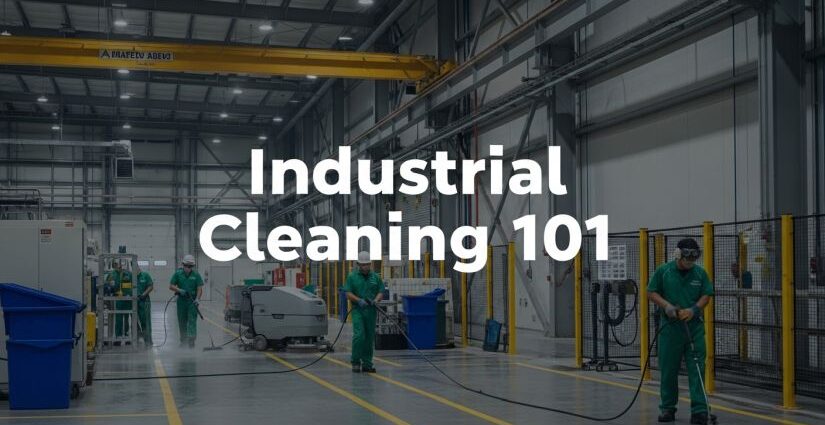
Industrial facilities present unique cleaning challenges that go far beyond standard commercial cleaning. Warehouses, manufacturing plants, and production floors demand specialized knowledge, rigorous safety protocols, and compliance with federal regulations. Whether you manage a factory in Coeur d’Alene or oversee a production facility in Spokane, understanding the fundamentals of industrial cleaning is critical to maintaining operational efficiency, protecting your workforce, and meeting regulatory standards.
“Industrial cleaning is a specialized field that requires extensive training, proper equipment, and a safety-first mindset,” says Rich Greco, owner of ProTex Janitorial Services. “We’ve seen too many facilities struggle with compliance issues or worker injuries because they underestimated the complexity of industrial sanitation. The right approach protects your people, your equipment, and your bottom line.”
This comprehensive guide covers everything facility managers and plant supervisors need to know about industrial facility cleaning, from OSHA compliance requirements to effective cleaning strategies for high-traffic production areas.
Key Takeaways
- Industrial cleaning requires specialized training and equipment that differs significantly from commercial or residential cleaning, including knowledge of hazardous materials, PPE requirements, and regulatory compliance
- OSHA and EPA regulations mandate specific cleaning protocols for industrial environments, with facility managers responsible for documentation, safety data sheets, and regular compliance audits
- Effective industrial cleaning prevents workplace accidents by addressing slip and fall hazards, contamination risks, and equipment malfunctions caused by dust, grease, or chemical buildup
- Regular cleaning schedules boost operational efficiency by reducing machine downtime, extending equipment lifespan, and maintaining air quality standards in production environments
- Professional industrial cleaning contractors provide certified staff, specialized equipment like industrial scrubbers and pressure washers, and documented cleaning procedures that ensure compliance
- Preventive maintenance cleaning saves money by identifying potential safety hazards early, reducing emergency cleanup costs, and minimizing production interruptions
What Makes Industrial Cleaning Different?
Industrial cleaning is a specialized type of cleaning that addresses the unique challenges of manufacturing environments, warehouses, and production facilities. Unlike office or retail spaces, industrial facilities contend with heavy machinery, hazardous materials, extreme temperatures, and strict regulatory oversight.
The Scope of Industrial Environments
Industrial spaces vary widely in their cleaning requirements. A food processing plant faces different sanitation challenges than an automotive assembly line or chemical manufacturing facility. Common industrial settings requiring specialized cleaning include:
- Manufacturing production floors with heavy equipment, conveyors, and assembly stations
- Warehouses and distribution centers with high ceilings, loading docks, and inventory storage
- Processing plants handling food, pharmaceuticals, or chemicals with strict contamination controls
- Automotive facilities dealing with grease, oil, and metal particulates
- Industrial workshops with metalworking equipment, welding stations, and material storage
Each industrial environment demands customized cleaning solutions tailored to its specific operations, safety concerns, and regulatory requirements.
Health and Safety Regulations
Compliance forms the backbone of every industrial cleaning service. The Occupational Safety and Health Administration (OSHA) sets mandatory standards for workplace safety, including requirements for:
- Chemical safety data sheets (SDS) accessible to all cleaning staff
- PPE requirements for different cleaning tasks and hazardous materials
- Lockout tagout procedures when cleaning around machinery
- Confined space cleaning protocols with proper ventilation and monitoring
- Hazardous waste disposal following EPA regulations
“Ensuring compliance with safety standards isn’t just about avoiding fines,” Rich Greco explains. “It’s about creating a workplace culture where every worker goes home safe. We train our industrial cleaning crews extensively on OSHA requirements because lives depend on getting it right.”
Specialized Equipment and Training Needs
Industrial cleaning requires equipment and expertise far beyond standard janitorial supplies. Professional industrial cleaning teams use:
- Industrial scrubber machines for large floor areas
- High-pressure washing systems (up to 3000+ PSI) for grease removal
- Industrial vacuuming systems with HEPA filtration
- Steam cleaning machines for sanitation without chemicals
- Specialized cleaning agents for industrial degreasing
- Aerial lifts and scaffolding for high-surface cleaning
Equally important is training for cleaning staff on proper equipment operation, chemical handling safety, and emergency response procedures. Staff are trained in safety protocols specific to industrial settings, including recognizing safety hazards and responding to chemical spills.
Core Elements of Industrial Cleaning Programs
Successful industrial hygiene programs rest on several foundational elements that work together to maintain safe, compliant, and efficient facilities.
Developing an Industrial Cleaning Management Plan
Every facility needs a comprehensive cleaning management plan that documents procedures, schedules, and responsibilities. This industrial cleaning SOP (standard operating procedure) should include:
- Detailed cleaning procedures for each area and surface type
- Frequency schedules distinguishing routine vs deep cleaning tasks
- Assigned cleaning responsibilities by shift, department, or contractor
- Required equipment and supplies with proper storage protocols
- Safety protocols and emergency procedures for each cleaning task
- Documentation requirements for compliance and quality assurance
- Performance metrics to measure cleaning effectiveness
Maintaining a regular cleaning schedule prevents the buildup of contaminants that can compromise safety or production quality. Your plan should distinguish between daily cleaning tasks (sweeping production floors, sanitizing high-touch surfaces), weekly deep cleaning (equipment degreasing, overhead cleaning), and monthly intensive maintenance (complete area shutdowns for thorough sanitation).
Safety-First Approach to Industrial Sanitation
Safety is paramount in industrial cleaning. Before beginning any cleaning task, workers must assess potential hazards and implement appropriate safeguards.
Essential industrial cleaning tips for maintaining safety include:
- Conduct pre-cleaning safety assessments identifying electrical hazards, moving equipment, chemical exposure risks, and fall hazards
- Implement lockout tagout procedures before cleaning near machinery to prevent accidental startup
- Ensure proper ventilation when using cleaning chemicals or working in enclosed spaces
- Wear appropriate PPE gear including safety goggles, chemical-resistant gloves, respirators when needed, and slip-resistant footwear
- Post safety signage warning of wet floors, chemical use, or restricted access during cleaning
- Keep emergency equipment accessible including eyewash stations, safety showers, and spill response kits
- Train staff on chemical spill response and emergency evacuation procedures
Workplace safety depends on recognizing that industrial cleaning involves inherent risks that require constant vigilance and proper preparation.
Understanding Industrial Cleaning Processes
The industrial cleaning process follows systematic steps that ensure thorough sanitation while maintaining safety:
- Preparation and safety setup – Secure the area, implement safety protocols, and gather necessary equipment
- Dry cleaning and debris removal – Sweep, vacuum, or use compressed air to remove loose debris before wet cleaning
- Pre-treatment of heavy soiling – Apply degreasers or specialized cleaning agents to problem areas
- Primary cleaning application – Use scrubbers, pressure washers, or manual cleaning methods as appropriate
- Rinse and neutralization – Remove cleaning agents and neutralize any chemical residue
- Inspection and touch-up – Verify cleaning effectiveness and address missed areas
- Drying and final safety check – Allow surfaces to dry, remove safety barriers, and conduct final inspection
- Documentation – Record cleaning activities, chemical usage, and any issues discovered
This systematic approach ensures consistency across shifts and personnel while maintaining documentation for compliance audits.
Types of Industrial Cleaning Services
Different areas and situations require specific cleaning techniques and approaches. Understanding these distinctions helps facility managers allocate resources effectively.
Routine Industrial Cleaning vs Deep Cleaning
Regular cleaning maintains baseline cleanliness and prevents dangerous buildup, while deep cleaning in industrial settings addresses areas that don’t receive daily attention.
Routine cleaning tasks performed daily or per shift include:
- Sweeping and mopping production floors
- Emptying waste receptacles and replacing liners
- Sanitizing break rooms, restrooms, and common areas
- Wiping down equipment control panels and work surfaces
- Cleaning entry points and loading docks
- Spot-cleaning spills and addressing immediate hazards
Deep clean operations conducted weekly, monthly, or during scheduled downtime involve:
- Machine and equipment deep cleaning including internal components and hard-to-reach areas
- Overhead structure cleaning addressing rafters, ductwork, and lighting fixtures
- Industrial ventilation cleaning and filter replacement
- Complete floor care including stripping, resealing, or refinishing
- Storage area organization and thorough cleaning
- Industrial odor control and air quality improvement
Understanding the distinction between routine vs deep cleaning helps facilities budget time and resources appropriately.
Specialized Industrial Cleaning Applications
Certain situations demand highly specialized expertise and equipment:
Plant Shutdown Cleaning – When production halts for maintenance or retooling, comprehensive plant shutdown cleaning addresses every surface, machine, and storage area. This intensive process may take days or weeks but ensures facilities restart with optimal cleanliness.
Post-Construction and Renovation Cleanup – Post-construction cleaning removes dust, debris, and residue from renovations or new installations. Industrial construction generates metal shavings, concrete dust, and packaging waste requiring specialized disposal.
Hazardous Material Cleanup – Chemical spills, contaminated materials, or regulated waste require hazardous material cleanup by trained specialists following strict EPA protocols. This includes proper containment, disposal documentation, and decontamination verification.
Food Service and Pharmaceutical Facilities – Food service facilities and pharmaceutical manufacturers require cleanroom maintenance with particle count monitoring, sterile cleaning techniques, and validated sanitization procedures.
Area-Specific Cleaning Protocols
Different zones within industrial facilities require tailored approaches:
Production Floor Cleaning – Production area disinfection must occur without disrupting operations. This requires coordination with production schedules, quick-drying cleaning methods, and minimal chemical residue.
Warehouse Floor Care – Warehouse floor polishing and maintenance protect concrete surfaces from damage while reducing dust. Regular floor care extends surface life and improves safety by maintaining slip resistance.
Loading Dock Sanitation – Loading dock cleaning addresses tracked-in dirt, weather exposure, and vehicle exhaust. These high-traffic transition zones require frequent attention to prevent contaminants from entering the facility.
Equipment Maintenance Areas – Maintenance shops and tool rooms accumulate metal shavings, lubricants, and cleaning solvents. Equipment maintenance cleaning must address these specific contaminants without damaging precision tools or machinery.
Industrial Cleaning Best Practices
Best practices for industrial cleaning combine proven techniques with ongoing improvement to achieve superior results.
Prioritizing Safety in Every Task
Prioritizing safety means embedding safety considerations into every aspect of cleaning operations. “We’ve developed a safety-first cleaning mindset across our entire team,” Rich Greco notes. “Before anyone picks up a mop or pressure washer, they’re thinking about what could go wrong and how to prevent it.”
Industrial safety management requires:
- Comprehensive safety training programs for all cleaning staff
- Regular safety meetings reviewing procedures and near-miss incidents
- Safety data sheet handling with easy access to chemical information
- Personal protective equipment properly fitted and maintained
- Clear communication protocols for reporting hazards
- Regular safety audits and procedure updates
Slip and fall prevention deserves special attention as one of the most common industrial accidents. Effective strategies include immediate spill cleanup, proper floor drying techniques, anti-slip floor treatments, adequate lighting, and clear warning signage.
Selecting Appropriate Cleaning Products and Methods
Cleaning chemicals used in industrial settings must balance effectiveness with safety. The right cleaning solutions depend on the type of soil, surface material, and environmental concerns.
Industrial degreasing requires powerful alkaline cleaners or solvents that cut through heavy oil and grease. Grease removal on production equipment may use hot water pressure washing, steam cleaning, or specialized degreasers.
Chemical mixing safety cannot be overlooked. Never mix cleaning products without verifying compatibility, as dangerous reactions can produce toxic fumes. All cleaning staff should understand proper dilution ratios and application methods for each product.
Increasingly, facilities are adopting eco-friendly industrial cleaning practices and green industrial practices that reduce environmental impact without sacrificing effectiveness. Green cleaning options include plant-based degreasers, hydrogen peroxide sanitizers, and microfiber cleaning systems that reduce chemical usage.
Effective Equipment Use and Maintenance
Industrial cleaning tools represent significant investments that require proper operation and maintenance.
Industrial scrubber machines clean large floor areas efficiently but need daily emptying, filter cleaning, and battery maintenance. Operators must receive training on proper speed settings, solution mixing, and brush pressure for different floor types.
Pressure washer safety is critical when using high-pressure washing equipment. Water jets exceeding 1000 PSI can cause serious injury. Safety protocols include:
- Never pointing the wand at people or animals
- Wearing face shields and waterproof protective gear
- Checking for electrical hazards before spraying
- Using appropriate nozzles for the cleaning task
- Maintaining safe distances from surfaces being cleaned
Industrial steam cleaning machines provide chemical-free sanitation using superheated water vapor. These units excel at sanitizing food contact surfaces, removing stubborn residues, and cleaning sensitive equipment.
Industrial vacuuming systems with HEPA filtration control dust and particulates. These systems protect air quality while removing dry debris that can damage machinery or create combustion hazards.
Developing Efficient Cleaning Schedules
Maintaining a regular cleaning schedule optimizes both cleanliness and productivity. Effective cleaning strategies coordinate with production cycles to minimize disruption.
Industrial maintenance scheduling should account for:
- Production downtime windows for intensive cleaning
- Shift transitions when areas are accessible
- Seasonal factors affecting facility needs
- Equipment maintenance schedules allowing concurrent cleaning
- Regulatory inspection timelines requiring compliance readiness
Cleaning schedules must balance thoroughness with operational needs. Some facilities benefit from night cleaning schedules that provide uninterrupted access to production areas, while others require constant cleaning presence during operating hours.
Equipment sanitization schedules prevent cross-contamination and extend machinery life. Machine downtime cleaning takes advantage of planned maintenance periods to perform thorough sanitation that would otherwise disrupt production.
Compliance and Documentation Requirements
Industrial sanitation compliance demands meticulous record-keeping and regular verification of procedures.
Understanding OSHA and EPA Regulations
OSHA compliance cleaning encompasses numerous specific standards depending on your industry and operations. Key regulations include:
- Hazard Communication Standard (HazCom) requiring chemical safety information
- Personal Protective Equipment standards mandating appropriate gear
- Bloodborne Pathogens Standard for facilities handling biological materials
- Respiratory Protection Standard when cleaning generates airborne hazards
- Permit-Required Confined Spaces for cleaning tanks, vessels, or enclosed areas
EPA regulations cleaning requirements focus on environmental protection:
- Regulated waste disposal following proper classification and handling
- Industrial waste segregation separating hazardous from non-hazardous materials
- Wastewater discharge permits if cleaning generates contaminated water
- Air quality monitoring when using volatile cleaning chemicals
- Chemical spill reporting requirements for significant releases
Environmental health and safety programs integrate these requirements into daily operations, ensuring compliance becomes routine rather than reactive.
Documentation and Record-Keeping
Industrial cleaning documentation serves multiple purposes: demonstrating compliance, tracking performance, and identifying improvement opportunities.
Essential records include:
- Daily cleaning logs documenting completed tasks and chemicals used
- Safety incident reports including near-misses and injuries
- Chemical inventory records with safety data sheets readily accessible
- Equipment maintenance logs for cleaning machinery
- Training records showing certifications and refresher courses
- Inspection checklists from internal and regulatory audits
- Waste disposal manifests tracking hazardous material handling
Industrial sanitation reporting aggregates this data into meaningful metrics that guide decision-making. Cleaning performance metrics might track square footage cleaned per labor hour, chemical cost per area, safety incident rates, or compliance audit scores.
Preparing for Inspections and Audits
OSHA inspection readiness requires maintaining continuous compliance rather than scrambling before announced visits. Since OSHA can conduct surprise inspections following complaints or accidents, facilities must always meet standards.
Safety audit preparation involves:
- Conducting regular self-audits using official checklists
- Correcting identified deficiencies immediately
- Organizing documentation for quick inspector access
- Training staff on inspection protocols and appropriate responses
- Designating a compliance coordinator to interface with inspectors
Industrial site cleanliness audits should occur monthly at minimum, with quality control checklists covering every area and cleaning task. These internal reviews identify problems before regulators do.
Common Industrial Cleaning Challenges
Cleaning challenges in industrial settings require creative problem-solving and specialized expertise.
Dealing with Heavy Soiling and Buildup
Manufacturing environments generate extreme soiling that standard cleaning methods cannot address. Industrial cleaners face:
- Baked-on grease and oil from high-temperature equipment
- Metal particulates and welding residue requiring careful removal
- Chemical staining from production processes
- Concrete efflorescence and etching from chemical exposure
- Rubber tire marks on warehouse floors
Effective cleaning of these stubborn contaminants often requires:
- Extended dwell time allowing cleaning agents to penetrate
- Mechanical agitation with brushes or abrasive pads
- Heat application through steam or hot water pressure washing
- Multiple cleaning passes with different products
- Specialized solvents formulated for specific soils
Grease trap maintenance in food processing facilities requires regular pumping and cleaning to prevent backups and odors. This specialized service often necessitates licensed contractors familiar with wastewater handling.
Managing Dust and Airborne Contaminants
Industrial dust control protects both worker health and equipment performance. Excessive dust can damage sensitive machinery, create explosion hazards, and cause respiratory problems.
Air filtration maintenance includes regular filter replacement, ductwork cleaning, and ventilation system inspection. Industrial ventilation cleaning removes accumulated particulates that reduce system efficiency and air quality.
Industrial contamination control establishes zones with different cleanliness standards. Clean areas near quality control or packaging maintain higher standards than heavy production zones. Cross-contamination prevention uses airlocks, dedicated equipment, and strict cleaning protocols between zones.
Addressing Safety Hazards
Safety hazards multiply in industrial environments where heavy equipment, chemicals, and high traffic converge.
Common safety concerns include:
- Wet floor slip hazards during and after cleaning
- Chemical exposure risks from improper handling or ventilation
- Equipment entanglement when cleaning near machinery
- Fall hazards when accessing elevated surfaces
- Electrical shock risks from water near power sources
Industrial accident prevention requires constant awareness and disciplined adherence to safety protocols. Workplace housekeeping directly impacts accident rates. Regular cleaning prevents accumulation of hazards that cause trips, falls, and other injuries.
Industrial safety checklists verify proper setup before cleaning begins, confirming lockout tagout implementation, PPE availability, ventilation adequacy, and emergency equipment accessibility.
Balancing Cleaning with Production Schedules
Production facilities operate on tight schedules where downtime costs thousands of dollars per hour. Effective industrial cleaning must minimize operational disruption.
Strategies include:
- Zone cleaning approaches rotating through sections while others operate
- Quick-change cleaning methods using fast-drying products and efficient techniques
- Coordinated scheduling aligning with planned maintenance windows
- Adequate staffing to complete intensive cleaning quickly
- Preventive maintenance cleaning reducing emergency shutdowns
Operational efficiency improves when cleaning integrates seamlessly with production rather than conflicting with it. Forward-thinking facility managers recognize that regular and thorough cleaning prevents costly emergency shutdowns for accumulated problems.
Choosing Professional Industrial Cleaning Services
Many facilities benefit from partnering with professional industrial cleaning contractors who provide specialized expertise and equipment.
Benefits of Outsourcing Industrial Cleaning
Industrial janitorial services offer several advantages over in-house cleaning:
- Specialized training and certifications keeping staff current on best practices and regulations
- Professional-grade equipment without capital investment by the facility
- Flexible staffing scaling up during shutdowns or seasonal demands
- Compliance expertise ensuring regulatory requirements are met
- Documented procedures providing evidence of proper cleaning
- Insurance coverage protecting facilities from liability
- Consistent quality through supervision and accountability systems
Outsourcing janitorial services allows facility managers to focus on core operations while ensuring professional-level cleanliness and safety.
What to Look for in Industrial Cleaning Contractors
Industrial contractor selection requires careful evaluation of qualifications and capabilities.
Key criteria include:
- Industry-specific experience with your type of facility and operations
- Proper licensing and insurance including workers’ compensation and liability coverage
- OSHA training documentation for all crew members
- Equipment inventory suitable for your facility’s needs
- Safety record and incident history demonstrating responsible operations
- Client references from similar industrial facilities
- Written procedures and quality control systems ensuring consistency
- Emergency response capabilities for spills or urgent situations
“When choosing a commercial cleaning service for industrial work, don’t make price the only factor,” Rich Greco advises. “The cheapest option often lacks proper training, equipment, or insurance. One workplace injury or compliance violation will cost far more than you saved on cleaning services.”
Working Effectively with Cleaning Teams
Cleaning supervision procedures and clear communication optimize contractor performance. Working with your janitorial team requires:
- Clear scope documentation specifying exactly what will be cleaned and how often
- Access procedures ensuring cleaning crews can reach all necessary areas safely
- Communication protocols for reporting problems or hazards discovered
- Regular performance reviews with constructive feedback
- Partnership mentality recognizing cleaning teams as essential to operations
The best client-contractor relationships involve mutual respect and open dialogue. Facility managers should treat industrial cleaning crews as safety partners who contribute valuable observations about potential hazards or equipment issues.
Advanced Industrial Cleaning Techniques
Modern industrial cleaning practices incorporate innovative technologies and methods.
Technology in Industrial Cleaning
Energy-efficient cleaning equipment reduces operating costs while maintaining performance. Newer industrial scrubber machines use less water and cleaning solution while covering more square footage per charge.
Cleaning management software optimizes scheduling, tracks completion, and maintains documentation automatically. These systems provide real-time visibility into cleaning operations across multiple shifts and locations.
Emerging technologies include:
- Robotic floor scrubbers providing consistent automated cleaning
- UV-C disinfection systems supplementing chemical sanitization
- Electrostatic sprayers for efficient surface coverage with disinfectants
- IoT sensors monitoring cleanliness levels and triggering cleaning when needed
- Water reclamation systems reducing waste and chemical usage
Specialized Cleaning Methods
Different situations call for specific approaches:
Dry ice blasting uses frozen CO2 pellets to remove contaminants without water or chemicals. This method excels for cleaning electrical equipment, machinery, and surfaces sensitive to moisture.
Ultrasonic cleaning employs high-frequency sound waves to remove contaminants from small parts and intricate equipment components. This technique cleans areas mechanical methods cannot reach.
Cryogenic cleaning with liquid nitrogen freezes contaminants for easier removal. Food processing facilities use this method to clean equipment between production runs.
Aqueous parts washing systems provide environmentally friendly degreasing using heated water and biodegradable detergents rather than harsh solvents.
Continuous Improvement Practices
Continuous improvement in cleaning ensures procedures evolve with changing needs and technologies.
Effective approaches include:
- Regular procedure reviews updating standard operating procedures
- Employee feedback systems capturing front-line observations
- Performance metrics analysis identifying improvement opportunities
- Benchmarking against industry standards comparing to best practices
- Pilot testing new methods before full implementation
- Root cause analysis when problems occur
Industrial quality assurance programs verify cleaning effectiveness through ATP testing, visual inspections, and microbial sampling where appropriate.
Building a Strong Industrial Cleaning Culture
Industrial site safety culture makes cleanliness and safety everyone’s responsibility, not just the cleaning crew’s job.
Employee Training and Engagement
Industrial worker training programs should include cleaning and safety basics for all employees. Production staff who understand proper cleanup procedures contribute to overall facility cleanliness.
Training topics include:
- Immediate spill response procedures
- Proper waste disposal and segregation
- Recognizing safety hazards requiring attention
- Basic housekeeping expectations for work areas
- Chemical safety fundamentals for commonly used products
Employee cleaning responsibilities should be clearly defined. While professional cleaning teams handle intensive tasks, operators typically maintain their immediate work areas between scheduled cleanings.
Leadership Commitment
Management commitment to cleanliness and safety sets the tone for the entire organization. When leadership prioritizes industrial sanitation, employees recognize its importance.
Visible leadership actions include:
- Regular facility walkthroughs noting cleanliness and safety
- Resource allocation for proper equipment and staffing
- Recognition programs celebrating safety achievements
- Investment in training and professional development
- Accountability systems holding all levels responsible
“A clean facility reflects management values,” Rich Greco observes. “When manufacturing facilities maintain high cleanliness standards, it demonstrates respect for workers, commitment to quality, and professional pride in operations. That culture starts at the top.”
Communication and Feedback Systems
Clear communication protocols ensure issues get addressed promptly. Establish multiple reporting channels:
- Daily shift briefings discussing cleaning priorities
- Digital reporting systems for documenting problems
- Suggestion programs encouraging improvement ideas
- Regular meetings between operations and cleaning teams
- Visual management boards displaying metrics and goals
Plant cleanliness monitoring through regular inspections and audits provides objective feedback on performance. Share results transparently, celebrating successes and addressing shortfalls constructively.
Regional Considerations for Idaho and Washington
Facilities in the Inland Northwest face unique environmental and regulatory factors affecting industrial cleaning needs.
Climate-Related Challenges
Idaho and Washington’s varied climate impacts industrial facilities:
Winter conditions bring snow, ice, and road salt that get tracked into facilities. Loading dock cleaning becomes more demanding during winter months. Winter cleaning strategies should include increased entrance matting, frequent floor cleaning, and salt residue removal to prevent concrete damage.
Wildfire season affects air quality and introduces ash and smoke particulates. Air filtration maintenance becomes critical during these periods. Facilities may need more frequent filter changes and enhanced ventilation system cleaning.
Spring thaw often brings excess moisture and tracking. Enhanced drainage management and frequent floor cleaning prevent slip hazards and water damage.
Local Regulations and Standards
State and local requirements may exceed federal standards:
Washington State Department of Ecology enforces strict wastewater discharge standards. Facilities using high-pressure washing must properly contain and treat cleaning water before discharge.
Idaho Department of Environmental Quality regulates air emissions, including volatile organic compounds from cleaning chemicals. Using low-VOC products helps facilities maintain compliance.
Local jurisdictions may have specific requirements for waste disposal, water usage, or chemical storage. Verify all applicable regulations with local authorities.
Serving the Inland Northwest
ProTex Janitorial Services provides expert industrial cleaning throughout the region, with service areas including:
- Sandpoint and surrounding Bonner County
- Coeur d’Alene, Post Falls, and the greater Kootenai County area
- Spokane and Spokane Valley in Eastern Washington
- Smaller communities including Priest River, Bonners Ferry, and Hayden
Our local presence means rapid response to urgent cleaning needs and familiarity with regional industrial operations.
Measuring Success in Industrial Cleaning
Industrial sanitation policies should include metrics for evaluating effectiveness.
Key Performance Indicators
Track meaningful metrics that drive improvement:
- Safety incident rates measuring accidents related to cleanliness
- Compliance audit results tracking OSHA and EPA inspection outcomes
- Production downtime attributed to cleaning-related issues
- Equipment maintenance costs potentially reduced by better cleaning
- Employee satisfaction regarding facility cleanliness
- Cleaning cost per square foot benchmarking efficiency
- Response time for addressing reported cleaning issues
Occupational hygiene standards provide frameworks for acceptable cleanliness levels in different industrial settings. Measuring against these standards helps identify when cleaning programs meet requirements.
Quality Assurance Methods
Industrial quality assurance verifies cleaning effectiveness beyond visual inspection:
- ATP (adenosine triphosphate) testing measures organic contamination on surfaces
- Microbial sampling verifies sanitization effectiveness in critical areas
- Particle counting in cleanroom environments
- Visual inspection checklists with standardized criteria
- Customer feedback surveys gathering user perspectives
Regular quality checks provide objective data supporting continuous improvement efforts.
Return on Investment
Professional industrial cleaning delivers measurable returns:
- Reduced workplace accidents lowering workers’ compensation costs
- Extended equipment lifespan through proper maintenance cleaning
- Fewer regulatory violations avoiding fines and production shutdowns
- Improved product quality from contamination-free environments
- Enhanced employee morale in clean, safe facilities
- Better customer impressions during facility tours
Facility cleanliness impacts reputation and business relationships. Potential clients touring manufacturing facilities make judgments about quality and professionalism based on cleanliness standards.
Future Trends in Industrial Cleaning
Industrial cleaning practices continue evolving with technological advances and changing priorities.
Sustainability and Environmental Responsibility
Green industrial practices balance cleaning effectiveness with environmental stewardship. Future trends include:
- Closed-loop water systems recycling cleaning water
- Biodegradable cleaning agents replacing harsh chemicals
- Solar-powered equipment reducing energy consumption
- Waste reduction strategies minimizing disposable supplies
- Carbon footprint tracking for cleaning operations
Environmental cleaning compliance will likely become more stringent as regulations tighten around chemical usage and waste disposal.
Automation and Smart Systems
Technology increasingly automates routine cleaning tasks:
- Autonomous floor scrubbers navigating facilities independently
- IoT sensors triggering cleaning when contamination exceeds thresholds
- AI-powered scheduling optimizing cleaning routes and timing
- Predictive maintenance using data analytics to prevent equipment failures
- Digital twin technology simulating cleaning scenarios before implementation
These advances don’t eliminate human workers but redirect them to higher-value tasks requiring judgment and problem-solving.
Enhanced Safety Standards
Safety protocols will continue evolving based on research and incident analysis:
- Improved PPE designs offering better protection with greater comfort
- Wearable safety technology monitoring exposure to hazards
- Virtual reality training providing realistic practice scenarios
- Enhanced chemical formulations reducing hazardous ingredients
- Stricter ergonomic standards preventing repetitive stress injuries
Forward-thinking facilities stay ahead of regulatory changes by proactively implementing emerging best practices.
Frequently Asked Questions
What is industrial cleaning and how does it differ from commercial cleaning?
Industrial cleaning is a specialized service focused on manufacturing plants, warehouses, and production facilities with heavy machinery, hazardous materials, and strict regulatory requirements. Unlike commercial cleaning services for offices, industrial cleaning requires OSHA-trained staff, specialized equipment like pressure washers and scrubbers, and expertise in chemical handling, contamination control, and compliance documentation for EPA and safety regulations.
What safety training is required for industrial cleaning staff?
Industrial cleaning staff require comprehensive OSHA training including Hazard Communication (chemical safety), proper PPE usage, lockout tagout procedures for machinery, confined space entry protocols, and emergency response procedures. Additional certifications may include forklift operation, aerial lift safety, and industry-specific training like food safety or pharmaceutical cleanliness standards. Training must be documented and refreshed regularly to maintain compliance.
How often should industrial facilities schedule deep cleaning?
Deep cleaning frequency depends on production intensity, contamination levels, and regulatory requirements. Most industrial facilities benefit from quarterly deep cleaning during planned maintenance shutdowns, with monthly intensive cleaning for high-traffic areas. Food processing and pharmaceutical facilities may require weekly deep cleaning of critical zones. Daily routine cleaning prevents buildup between deep cleaning sessions.
What equipment is essential for professional industrial cleaning?
Essential industrial cleaning equipment includes commercial-grade floor scrubbers for large areas, high-pressure washers (2000-3000 PSI) for degreasing, industrial HEPA vacuums for dust control, steam cleaners for chemical-free sanitization, and specialty tools like dry ice blasters or ultrasonic cleaners. Professional contractors also need proper PPE, chemical dispensing systems, waste containment equipment, and aerial lifts for overhead cleaning.
How can industrial cleaning reduce workplace accidents?
Regular industrial cleaning reduces accidents by eliminating slip and fall hazards from spills and debris, preventing equipment malfunctions caused by contamination, maintaining clear pathways and emergency exits, controlling dust that can create combustion hazards, and ensuring proper ventilation to prevent chemical exposure. Proper cleaning also improves visibility and reduces clutter that contributes to workplace injuries.
What are the most common compliance issues in industrial cleaning?
Common compliance issues include inadequate chemical safety data sheet accessibility, improper hazardous waste disposal, insufficient PPE for cleaning tasks, lack of lockout tagout procedures when cleaning near machinery, poor documentation of cleaning activities and training, inadequate ventilation during chemical use, and failure to follow proper confined space entry protocols. Regular audits help identify and correct these deficiencies.
Should we hire in-house cleaning staff or outsource industrial cleaning?
Many facilities benefit from outsourcing to professional industrial cleaning contractors who provide specialized training, professional equipment, flexible staffing, compliance expertise, and insurance coverage. Outsourcing allows your staff to focus on core operations while ensuring professional-grade cleanliness. Large facilities may combine in-house daily maintenance with contracted deep cleaning services for optimal results.
How do industrial cleaning costs compare to potential compliance fines?
OSHA violations can result in penalties ranging from $15,625 per violation for serious infractions to $156,259 for willful or repeated violations. EPA environmental violations carry even higher penalties. Professional industrial cleaning that maintains compliance costs a fraction of potential fines, not counting production shutdowns, legal fees, and reputation damage from serious violations. Investing in proper cleaning is financially prudent risk management.
Conclusion: Making Industrial Cleaning a Priority
Industrial cleaning is a specialized field requiring expertise, proper equipment, and unwavering commitment to safety and compliance. Facilities that prioritize professional industrial cleaning protect their most valuable assets: their employees, their equipment, and their reputation.
The fundamentals covered in this guide—from understanding OSHA compliance cleaning requirements to implementing effective cleaning strategies and selecting qualified industrial cleaning contractors—provide a foundation for maintaining safe, efficient industrial environments.
Regular and thorough cleaning prevents the accumulation of hazards, reduces regulatory violations, extends equipment lifespan, and creates a workplace where employees feel valued and protected. These benefits far exceed the cost of proper cleaning programs.
Whether you manage a manufacturing facility, automotive operation, or distribution warehouse throughout Idaho and Washington, partnering with experienced professionals ensures your facility meets the highest standards of cleanliness, safety, and compliance.
Rich Greco and the team at ProTex Janitorial Services bring decades of industrial cleaning expertise to facilities across the Inland Northwest. From routine maintenance to intensive plant shutdowns, we provide the specialized knowledge and professional equipment needed for superior results.
Ready to improve your facility’s cleanliness, safety, and compliance? Contact ProTex Janitorial Services at (208) 263-6202 or email rich@protexjanitorialservices.com to discuss your industrial cleaning needs. We offer free facility assessments and customized cleaning solutions designed specifically for your operations.
Your facility deserves the same level of professionalism and expertise you bring to your core business. Let ProTex handle the specialized work of industrial cleaning while you focus on what you do best—running a safe, efficient, and productive operation.