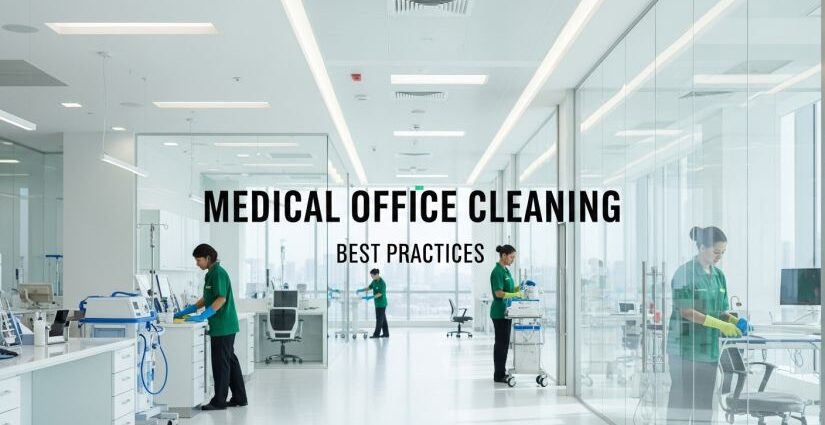
Medical offices demand more than standard janitorial work. Every surface, every instrument, and every patient-facing area requires specialized cleaning protocols that meet strict health regulations. Unlike typical routine cleaning in commercial spaces, medical office cleaning directly impacts patient safety, staff health, and regulatory compliance.
“In my 20 years serving healthcare facilities across North Idaho and Eastern Washington, I’ve seen how proper sanitation protocols can prevent disease transmission and build patient trust,” says Rich Greco, owner of ProTex Janitorial Services. “Medical offices require specialized training, hospital-grade disinfectants, and documented procedures that go far beyond what most commercial cleaning companies offer.”
This guide breaks down the best practices for cleaning medical offices, from CDC-compliant protocols to staff training requirements. Whether you manage a small clinic in Coeur d’Alene or a multi-specialty practice in Spokane, understanding these standards helps protect patients and staff while ensuring compliance with health regulations.
Key Takeaways
- Regulatory compliance is non-negotiable: Medical office cleaning must follow CDC HICPAC guidelines, OSHA Bloodborne Pathogens 1910.1030, and EPA List N disinfectants to protect patients and meet inspection standards.
- Two-step clean-then-disinfect protocols work: Cleaning removes organic matter before disinfection. This approach, combined with proper contact time and EPA hospital-grade disinfectants, significantly reduces pathogen transmission.
- High-touch surfaces need frequent attention: Door handles, light switches, exam tables, and reception counters require multiple daily cleanings to control cross-contamination and reduce healthcare-associated infections.
- Specialized training protects staff and patients: Cleaning crews must understand hand hygiene compliance, PPE donning and doffing, sharps container handling, and regulated medical waste protocols before entering patient areas.
- Quality assurance prevents compliance gaps: Regular ATP surface testing, fluorescent marker auditing, and third-party inspections identify deficiencies before Joint Commission tracers or CMS surveys.
- Green cleaning supports patient health: Using Green Seal GS-37 products, low-VOC chemistries, and fragrance-free policies reduces respiratory triggers while maintaining infection control standards.
Understanding Medical Office Cleaning Requirements
Medical offices require specialized attention because they serve immunocompromised patients, handle infectious materials, and must comply with multiple regulatory bodies. The difference between standard commercial cleaning services and medical cleaning services lies in training depth, product selection, and documentation requirements.
Why Healthcare Cleaning Practices Differ
Standard office cleaning focuses on aesthetics and general hygiene. Healthcare cleaning services, however, must prevent disease transmission, protect vulnerable populations, and satisfy rigorous inspections. Medical facilities face constant exposure to bacteria, viruses, and bodily fluids that demand specific disinfection protocols.
The Journal of Hospital Infection has documented how proper environmental services reduce healthcare-associated infections by up to 30%. This research underscores why cleaning medical offices requires evidence-based methods rather than basic janitorial work.
Core Regulatory Frameworks
CDC HICPAC guidelines establish baseline infection prevention standards for all healthcare settings. These protocols cover everything from hand hygiene compliance to terminal cleaning procedures. Medical office cleaning teams must understand and implement these guidelines consistently.
OSHA Bloodborne Pathogens 1910.1030 protects cleaning staff from exposure to infectious materials. This regulation mandates specific training on sharps container handling, blood spill cleanup protocol, and exposure incident reporting. Cleaning crews working in medical offices must complete this certification before handling patient areas.
OSHA Hazard Communication 1910.1200 requires proper labeling, storage, and training for all cleaning chemicals. Medical offices use concentrated disinfectants that pose health risks if mishandled. Safety data sheets must be accessible, and staff must understand dilution control systems to prevent chemical injuries.
OSHA Respiratory Protection 1910.134 applies when cleaning teams use chemicals requiring N95 fit testing or when working in isolation rooms with airborne pathogens. Proper PPE donning and doffing procedures prevent contamination during and after cleaning tasks.
The Spaulding Classification System
This framework categorizes surfaces and items by infection risk, guiding appropriate disinfection levels:
- Critical instruments penetrate sterile tissue or the vascular system. While cleaning staff don’t sterilize surgical tools, they must understand the instrument reprocessing workflow when maintaining autoclave areas and sterilization bays.
- Semicritical items contact mucous membranes but don’t penetrate tissue. Examples include dental mirrors and respiratory equipment. These require high-level disinfection, and cleaning teams must avoid cross-contaminating these areas.
- Noncritical surfaces touch intact skin and include exam tables, blood pressure cuffs, and stethoscopes. These require EPA hospital-grade disinfectant with documented contact time to kill pathogens effectively.
“Understanding the Spaulding classification helps our crews make smart decisions in real time,” explains Rich Greco. “When a medical assistant tells us a treatment room just finished a minor procedure, our team knows exactly which protocol to follow for that surface category.”
Essential Cleaning Protocols for Medical Offices
Medical office cleaning services must implement systematic approaches that address every surface type, room function, and contamination risk. These protocols form the backbone of infection prevention efforts.
The Two-Step Clean-Then-Disinfect Method
Effective disinfection requires two distinct steps. First, cleaning removes organic matter (blood, saliva, dirt) that shields pathogens from disinfectants. Second, disinfection kills remaining microorganisms on the pre-cleaned surface.
Step 1: Pre-cleaning with neutral cleaner
- Apply appropriate detergent selection based on soil type
- Use color-coded microfiber cloths to prevent cross-contamination
- Wipe surfaces using the two-bucket method (one for solution, one for rinsing)
- Remove all visible debris before applying disinfectant
Step 2: Disinfection with EPA-registered products
- Select EPA List N disinfectants appropriate for target pathogens
- Apply disinfectant thoroughly to cover entire surface
- Observe required dwell time (typically 1-10 minutes depending on product)
- Verify surfaces remain visibly wet throughout contact time
- Allow surfaces to air dry or wipe with clean cloth per product instructions
Many cleaning failures occur when staff skip pre-cleaning or don’t respect contact time. Wet time monitoring ensures disinfectants remain on surfaces long enough to kill pathogens. Some teams use contact time verification labels to track when surfaces can be safely touched again.
Isolation Room Cleaning Procedures
Airborne isolation rooms and negative pressure rooms require special protocols to protect cleaning staff and prevent pathogen spread. These rooms treat patients with tuberculosis, measles, or COVID-19.
Before entering isolation spaces:
- Don appropriate PPE per facility protocol (N95 respirator, gown, gloves, eye protection)
- Check that negative pressure system is functioning properly
- Place warning signage outside room
- Gather all supplies to minimize trips in and out
Droplet precautions apply to patients with influenza, pertussis, or meningitis. Cleaning staff wear surgical masks and eye protection but don’t need N95 respirators since these pathogens don’t remain airborne.
Contact precautions protect against pathogens spread by touch, including MRSA, C. difficile, and norovirus. These require gowns and gloves, with special attention to high-touch surfaces like bed rails, call buttons, and door handles.
Terminal Cleaning vs. Daily Maintenance
Daily cleaning maintains general hygiene between patients. This includes:
- Wiping high-touch surfaces multiple times per day
- Emptying trash and replacing liners
- Spot-cleaning spills and visible soil
- Restocking supplies in patient areas
- Restroom sanitation after each shift
Terminal cleaning occurs after patient discharge, especially following infectious cases. This deep process includes:
- Complete room disinfection of all surfaces
- Cleaning light fixtures, vents, and ceiling-mounted equipment
- Detailed attention to exam tables, chairs, and medical equipment
- Disinfecting curtains, blinds, and other soft surfaces
- Floor cleaning with auto scrubber usage or extraction methods
“We train our teams to treat every room as if the next patient has a compromised immune system,” says Rich Greco. “That mindset shifts cleaning from checking boxes to actually protecting lives.”
High-Touch Surface Protocols
Research shows that high-touch surfaces harbor the highest concentrations of pathogens in medical offices. These areas require cleaning multiple times per day, not just during nightly service.
Priority Surfaces in Patient Areas
Exam tables contact patients directly and require disinfection between every visit. Use vinyl exam table care products that won’t damage surfaces while providing adequate pathogen kill. The between-patient wipe protocol should take no more than 2-3 minutes to avoid scheduling delays.
Door handles and light switches get touched dozens of times daily by patients, staff, and visitors. These surfaces need attention at least three times per shift using ready-to-use wipes or pre-saturated microfiber cloths.
Waiting room chairs and armrests accumulate pathogens as sick patients spend time in these areas. Use upholstery-safe cleaners that disinfect without damaging fabric. Schedule carpet extraction quarterly to remove embedded contaminants.
Reception counters and check-in areas see constant contact from patients providing paperwork, credit cards, and insurance information. Clean these surfaces hourly during peak times. Credit card terminal wipes should occur after each transaction to prevent cross-contamination between patients.
Back-Office and Staff Areas
Nurse station cleaning must balance frequent disinfection with staff workflow. Avoid disrupting work by using no-touch cleaning methods during business hours, then performing detailed cleaning during after-hours cleaning shifts.
Computer on wheels disinfection presents unique challenges since staff use these devices throughout the facility. Implement keyboard and mouse covers that get replaced and laundered daily. Clean screens with touchscreen-safe wipes that won’t damage displays.
Phone handset sanitizing prevents disease transmission among staff. Wipe handsets at least twice per shift, more frequently during influenza season protocols or during RSV outbreak cleaning surges.
Breakroom sanitation often gets overlooked in medical offices. Refrigerator handles, coffee makers, and microwave controls harbor pathogens just like patient areas. Include these spaces in daily cleaning checklist items.
Specialized Medical Equipment Surfaces
Point-of-care devices like glucometers and portable ultrasounds move between patients and rooms. Establish clear cleaning procedures for each device type since some have sensitive electronics requiring specific products.
Stethoscope decontamination should occur after each patient contact. Research shows these tools carry surprisingly high bacterial loads. Provide alcohol-based hand rub stations near exam rooms so providers can quickly clean their equipment.
Blood pressure cuff cleaning and pulse oximeter wipe protocol must use products safe for sensors and electronic components. Check manufacturer guidelines to avoid damaging expensive equipment while maintaining infection control.
Room-Specific Cleaning Standards
Different rooms in medical offices have varying contamination risks and cleaning requirements. Professional medical cleaning services develop room-by-room protocols tailored to each space’s function.
Patient Exam Rooms
Treatment room turnover must occur quickly without sacrificing thoroughness. The exam room reset checklist should include:
- Remove and bag any disposable items or used linens
- Wipe exam table with EPA hospital-grade disinfectant
- Clean and disinfect all high-touch surfaces (light switches, cabinet handles, sink fixtures)
- Inspect floor for spills or debris and spot-clean
- Restock supplies (gloves, paper covers, tissues)
- Perform final visual check before next patient
This process typically takes 3-5 minutes when staff follow efficient workflows. Using cleaning cart organization with supplies arranged by task sequence reduces time wasted searching for materials.
Procedure rooms where minor surgeries or biopsies occur require more intensive protocols. These spaces need terminal cleaning after each procedure, including detailed disinfection of surgical lights, procedure trays, and Mayo stands.
Dental Office Cleaning Considerations
Dental operatory turnover involves unique challenges due to aerosol-generating procedures that contaminate wider areas. The dental chair, light handles, control panels, and surrounding surfaces all need thorough disinfection between patients.
Dental sterilization zone cleaning must prevent contamination of clean instruments. Maintain a dirty to clean workflow where used instruments enter from one side and sterile supplies exit from another. The autoclave area housekeeping and sterilization bay cleaning require special training on maintaining sterile fields.
Amalgam separator regulations mandate proper disposal of dental materials containing mercury. Cleaning staff must understand which waste streams are regulated and avoid mixing them with general trash.
Imaging and Diagnostic Areas
Radiology room disinfection focuses on equipment surfaces patients contact, including x-ray tables, positioning aids, and control panels. Use stainless steel streak control products that clean and disinfect without leaving residue that might affect imaging quality.
Ultrasound gel spill cleanup requires prompt attention since this substance becomes slippery and poses fall risks. Keep spill kit readiness materials near ultrasound rooms for quick response.
Phlebotomy area cleaning demands special attention to blood contamination risks. Even though phlebotomists should clean their own work surfaces, environmental services teams must perform thorough disinfection at shift end using 1 to 10 bleach solution for any visible blood.
Restrooms and Support Spaces
Restroom sanitation in medical offices requires more frequent attention than typical commercial facilities due to patients with infectious diseases and immunocompromised conditions. Clean restrooms at least three times per shift, more during peak patient hours.
Focus areas include:
- Toilets and urinals with EPA hospital-grade disinfectant
- Sinks, faucets, and countertops
- Touchless dispensers and hands-free fixtures
- Door handles, locks, and push plates
- Floor cleaning with disinfectant solution
- Sharps container handling per medical waste protocols
Install hands-free fixtures wherever possible to reduce surface contamination. Automatic faucets, soap dispensers, and paper towel units minimize touch points that spread germs.
Clean utility room and soiled utility room must remain clearly separated. These areas store supplies and handle contaminated items respectively, so mixing them creates contamination risks. Implement biohazard signage to prevent confusion.
Disinfectants and Chemical Selection
Choosing appropriate disinfectants for medical offices requires balancing efficacy, safety, surface compatibility, and regulatory compliance. Not all cleaning products meet healthcare standards.
EPA-Registered Hospital-Grade Disinfectants
EPA List N disinfectants have proven effectiveness against SARS-CoV-2 and other emerging pathogens. Medical offices should maintain a selection of List N products with varying dwell times and spectrum coverage.
Quat compatibility (quaternary ammonium compounds) makes these disinfectants popular for general surface disinfection. Quats offer broad-spectrum activity, relatively short contact times, and good surface compatibility. However, they may not be effective against C. difficile spores or norovirus.
Sodium hypochlorite use (bleach) remains the gold standard for difficult pathogens. A 1 to 10 bleach solution kills C. difficile spores, norovirus, and most other healthcare pathogens. Dilute fresh daily since bleach degrades quickly. Use only in well-ventilated areas due to respiratory irritation potential.
Hydrogen peroxide disinfectant products offer excellent pathogen kill with lower toxicity than bleach. Accelerated hydrogen peroxide formulations combine efficacy with faster contact times (often 1-3 minutes). These work well for MRSA surface disinfection and general healthcare cleaning.
Peracetic acid applications provide rapid, broad-spectrum disinfection including sporicidal activity. These products work well in automated systems but require careful handling due to corrosive properties and strong odor.
Phenolic disinfectants caution: While effective, phenolics pose health risks including skin sensitization and environmental concerns. Many healthcare facilities are phasing out phenolic products in favor of safer alternatives. Check with facility policies before using phenolic disinfectants.
Product Selection Criteria
When evaluating cleaning solutions for medical offices, consider:
- Kill claims: Does the product label list the specific pathogens you need to eliminate?
- Contact time: Shorter dwell times improve workflow efficiency
- Surface compatibility: Will it damage equipment, upholstery, or finishes?
- Safety profile: What PPE is required? Are there respiratory hazards?
- Odor: Strong chemical smells can trigger reactions in sensitive patients
- Environmental impact: Does it meet green cleaning certification standards while maintaining efficacy?
“We stock multiple disinfectant types to match the situation,” notes Rich Greco. “For routine cleaning, we use accelerated hydrogen peroxide with a three-minute contact time. When we’re dealing with C. diff contamination, we switch to sodium hypochlorite. Having the right tools for each job prevents both under-disinfection and unnecessary chemical exposure.”
Green Cleaning for Healthcare
Green Seal GS-37 products and Safer Choice alternatives meet strict environmental and health standards while maintaining disinfection efficacy. These certifications ensure products have low-VOC chemistries that don’t trigger asthma or respiratory problems.
Implementing fragrance-free policies protects patients with chemical sensitivities and respiratory conditions. Many “clean” scents contain volatile organic compounds that degrade indoor air quality. Green cleaning practices prioritize odor control without masking agents that merely cover up smells rather than eliminating sources.
A sustainable purchasing plan includes:
- Refillable dispenser program to reduce plastic waste
- Dilution control systems that prevent over-concentration
- Closed-loop dispensing to minimize chemical exposure
- Bulk purchasing of concentrated products
Cross-Contamination Prevention
Cross-contamination control requires systematic approaches that prevent pathogens from spreading between rooms, patients, and surfaces. Even perfect disinfectant selection fails if cleaning methods spread germs rather than remove them.
Color-Coded Cleaning Systems
Color-coded microfiber systems assign specific colors to different area types, preventing cloths used in restrooms from touching patient care surfaces. A typical color scheme:
- Red: High-risk areas (restrooms, isolation rooms)
- Yellow: Moderate-risk areas (patient care spaces)
- Green: Low-risk areas (offices, hallways)
- Blue: Glass and mirrors
Staff training must emphasize that these color assignments are rigid rules, not suggestions. A single instance of using a red cloth on an exam table can transmit fecal pathogens to vulnerable patients.
Microfiber mops offer superior cleaning compared to traditional string mops. The fine fibers trap pathogens rather than spreading them across floors. Implement a mop head laundry schedule that ensures clean mops for every shift, with hot water wash cycles at 160°F minimum to kill pathogens.
Two-Bucket Method and No-Touch Cleaning
The two-bucket method separates clean solution from contaminated rinse water. Cleaning staff dip cloths into the cleaning solution bucket, wipe surfaces, then rinse cloths in the second bucket before returning to the solution bucket. This prevents repeatedly applying contaminated water to surfaces.
No-touch cleaning technologies minimize staff exposure and improve consistency:
- Electrostatic spraying wraps disinfectant around surfaces including hard-to-reach areas. The charged particles cling to surfaces longer, improving contact time and coverage.
- UV-C disinfection uses ultraviolet light to damage pathogen DNA. This technology supplements chemical disinfection in high-risk areas like operating rooms and isolation spaces.
- HEPA filtration vacuums trap particles as small as 0.3 microns, preventing redistribution of pathogens during cleaning.
Research on electrostatic vs manual efficacy shows both methods work when applied correctly, but electrostatic application covers more surface area in less time.
Hand Hygiene and PPE Protocols
Hand hygiene compliance among cleaning staff directly impacts infection prevention. Staff should perform hand hygiene:
- Before starting their shift
- After removing gloves
- Before entering clean supply areas
- After handling contaminated materials
- Before leaving the facility
Install alcohol-based hand rub dispensers on cleaning carts and throughout the facility for convenient access. Hand hygiene with alcohol-based products takes 20 seconds and doesn’t require sinks.
PPE donning and doffing sequences prevent self-contamination. The proper removal sequence is:
- Remove gloves carefully without touching skin
- Perform hand hygiene
- Remove gown by touching only inside surfaces
- Remove eye protection from behind
- Remove mask or respirator by ear loops or ties
- Perform final hand hygiene
Many contamination events occur during PPE removal when tired staff rush through the process. Regular training refreshers prevent complacency.
Floor Care in Healthcare Settings
Floorcare in healthcare must balance safety, infection control, and aesthetics. Different floor types require specific maintenance approaches.
Hard Surface Floor Maintenance
Non-slip floor finishes prevent falls while remaining cleanable and disinfectable. Apply finishes specifically rated for healthcare use that maintain slip resistance when wet. Test slip resistance regularly using tribometer measurements.
Auto scrubber usage provides consistent, thorough floor cleaning with controlled solution application and immediate pickup. Modern auto scrubbers capture 99% of solution, preventing slip hazards from wet floors. Schedule scrubbing at least weekly in patient care areas, daily in high-traffic zones.
Daily floor cleaning includes:
- Dust mopping or vacuuming to remove dry soil
- Spot mopping spills immediately
- Damp mopping high-traffic areas with neutral cleaner pre-clean solution
- Disinfecting floors in patient care areas
Quarterly deep cleaning involves:
- Stripping old finish completely
- Deep scrubbing base floor
- Applying fresh coats of non-slip floor finishes
- Buffing to appropriate sheen level
Carpet Care and Entrance Matting
Carpet extraction schedule in medical offices should occur quarterly at minimum, more frequently in waiting rooms and high-traffic corridors. Use green cleaning extraction solutions with low moisture content to prevent mold growth.
Between extractions, vacuum with HEPA filtration vacuums daily. Standard vacuums exhaust fine particles back into the air, worsening indoor air quality. HEPA filters capture 99.97% of particles, preventing pathogen dispersal.
An effective entrance matting program captures dirt and moisture before it enters the facility. Install:
- Exterior scraper mats to remove heavy soil
- Interior absorbent mats to trap moisture and fine particles
- Total mat length of 12-15 feet for optimal soil capture
Clean or replace entrance mats daily during wet weather or winter conditions common in North Idaho and Eastern Washington. This simple step prevents up to 80% of soil from entering the facility, reducing cleaning costs and improving indoor air quality.
Indoor Air Quality Management
Indoor air quality in clinics affects both patient health and pathogen transmission rates. Poor air quality exacerbates respiratory conditions and reduces treatment effectiveness.
HVAC System Maintenance
MERV 13 filtration captures particles as small as 0.3 microns, including most bacteria and large virus particles. Medical offices should use MERV 13 filters at minimum, upgrading to MERV 14-16 in high-risk areas.
Regular vent grille cleaning removes accumulated dust that harbors pathogens and restricts airflow. Clean supply and return grilles monthly using HEPA vacuums and damp cloths. This simple task dramatically improves air circulation.
CO2 monitoring indicates ventilation adequacy. Levels above 1000 ppm suggest insufficient fresh air exchange, increasing airborne pathogen concentration. Install continuous CO2 monitors in waiting rooms and patient care areas.
Dust Control Programs
A comprehensive dust control program includes:
- High dusting schedule: Clean ceiling-mounted items, vents, and light fixtures monthly
- HEPA vacuuming: Use HEPA filters on all vacuum equipment
- Microfiber dusting: Trap dust rather than dispersing it with feather dusters
- Ceiling tile spotting: Inspect and clean or replace stained ceiling tiles
Dust control matters because dust particles carry pathogens, allergens, and irritants. In medical settings, dust can also contain pharmaceutical residues and bodily fluids from aerosol-generating procedures.
Waste Management and Biohazard Handling
Regulated medical waste requires special handling to protect cleaning staff and comply with state medical waste rules. Different waste streams need separate disposal methods.
Sharps and Infectious Waste
Sharps container handling poses needlestick risks that can transmit bloodborne pathogens. Cleaning staff should:
- Never reach into sharps containers
- Replace containers when 3/4 full
- Seal and label containers per facility protocol
- Store filled containers in secure area until sharps pickup scheduling
- Report any needlestick injuries immediately per exposure incident reporting procedures
Regulated medical waste includes items contaminated with blood or bodily fluids that could transmit infectious disease. This waste goes into red bags marked with biohazard symbols. Never mix regulated medical waste with regular trash.
Waste stream segregation reduces costs and environmental impact. Separate:
- General trash (no contamination)
- Recycling (paper, cardboard, certain plastics)
- Regulated medical waste (infectious materials)
- Pharmaceutical waste basics (unused or expired medications)
- Hazardous waste (chemotherapy drugs, mercury-containing items)
Spill Response Protocols
Blood spill cleanup protocol protects staff from bloodborne pathogen exposure:
- Don appropriate PPE (gloves, gown, eye protection, mask if splashing possible)
- Isolate area to prevent foot traffic through contamination
- Cover spill with absorbent material or granules
- Remove bulk material and dispose in red bag
- Clean area with detergent solution
- Disinfect with 1 to 10 bleach solution and observe 10-minute contact time
- Remove and dispose of PPE properly
- Perform hand hygiene
- Complete incident documentation
Spill kit readiness ensures quick response. Each patient care area should have a spill kit containing gloves, absorbent material, red bags, disinfectant, PPE, and cleanup instructions. Inspect kits monthly and replenish after use.
Staff Training and Competency
Specialized cleaning in medical offices demands extensive training beyond what typical commercial cleaners receive. Staff competency directly correlates with infection prevention outcomes.
Initial Training Requirements
Onboarding for healthcare sites should include:
- OSHA Bloodborne Pathogens 1910.1030 certification (minimum annually)
- OSHA Hazard Communication 1910.1200 training
- Hand hygiene compliance demonstration
- PPE donning and doffing practice
- Isolation precautions overview
- HIPAA awareness for cleaners and privacy during cleaning
- Disinfectant selection and proper use
- Color-coded cleaning system
- Regulated medical waste handling
- Spill response procedures
Training should include hands-on practice, not just classroom instruction. Staff must demonstrate competency before working independently in patient areas.
Ongoing Education and Quality Assurance
Annual competency checks verify staff maintain proper techniques. These assessments should test knowledge, observe actual cleaning performance, and identify training gaps.
In-service refresher training addresses new protocols, emerging pathogens, or identified deficiencies. Rich Greco recommends quarterly training sessions: “We bring our medical facility teams together every three months to review protocols and discuss challenges. This keeps everyone sharp and allows newer staff to learn from experienced cleaners.”
Cross-train cleaning crew members on multiple roles to maintain coverage during illnesses or vacations. Medical offices can’t afford staffing gaps that compromise infection control.
Supervisor Oversight
Supervisor inspection cadence should include:
- Daily visual checks of high-risk areas
- Weekly detailed inspections using standardized checklists
- Monthly ATP testing or fluorescent marker audits
- Quarterly performance reviews with each staff member
Quality assurance inspections identify problems before they impact patient care. Use objective measures like ATP surface testing and fluorescent marker auditing rather than relying solely on visual assessment.
Quality Control and Verification
Cleaning KPIs and monitoring systems ensure consistent performance and regulatory compliance. Medical offices can’t wait for complaints or infections to identify cleaning failures.
ATP Surface Testing
ATP surface testing measures organic residue on surfaces, indicating cleaning effectiveness. ATP meters provide instant results showing whether surfaces are truly clean or just appear clean.
Establish baseline ATP readings for different surface types, then conduct regular spot testing. Common benchmarks:
- High-touch surfaces in patient areas: <100 RLU (relative light units)
- Food preparation surfaces: <10 RLU
- General surfaces: <250 RLU
Test at least 10 surfaces per week, rotating through different rooms and surface types. Document results and investigate any readings above established thresholds.
Fluorescent Marker Auditing
Fluorescent marker auditing verifies that cleaning staff actually touch targeted surfaces. Apply invisible fluorescent gel to specific surfaces, then check with UV light after cleaning. If the gel remains, staff missed that surface.
This objective method reveals training needs and workflow problems. Some facilities use this technique weekly in high-risk areas, monthly in lower-risk spaces.
Third-Party Auditing and Certification
ISSA CIMS-GB certification (Cleaning Industry Management Standard with Green Building emphasis) demonstrates commitment to quality management systems and environmental responsibility. This certification requires documented procedures, training programs, and quality control measures.
GBAC STAR accreditation specifically addresses infection prevention and outbreak response. Facilities with this accreditation have proven capabilities in disinfection protocols and emergency response.
These certifications aren’t just marketing tools. The audit process identifies gaps and drives continuous improvement. ProTex Janitorial Services maintains both certifications to ensure clients receive consistently excellent service.
Documentation and Reporting
Client communication log tracks issues, requests, and completed work. This documentation proves value and supports third-party audit readiness.
Photo verification of tasks provides objective evidence that work occurred as scheduled. Many facilities now require photographic documentation of terminal cleaning and deep cleaning projects.
Before and after documentation demonstrates cleaning effectiveness and helps justify costs when clients question value. This evidence also protects against false claims if problems occur.
Regulatory Compliance and Inspections
Joint Commission compliance affects hospitals and ambulatory care centers, but the standards inform best practices for all medical offices. Understanding these expectations helps practices maintain high standards.
Joint Commission Environment of Care Standards
Joint Commission tracers prep involves following a patient’s journey through the facility and evaluating infection control measures along the way. Surveyors may question cleaning staff about protocols, product selection, and training.
Prepare for tracers by:
- Ensuring all staff can articulate their role in infection prevention
- Maintaining accessible documentation (training records, safety data sheets, logs)
- Verifying cleaning equipment is clean and properly stored
- Checking that SOPs for medical offices are current and accessible
CMS and State Health Department Surveys
CMS survey readiness applies to facilities receiving Medicare/Medicaid reimbursement. Surveyors assess infection prevention practices, including environmental services.
Common survey findings related to cleaning:
- Inadequate disinfection of high-touch surfaces
- Staff unable to describe cleaning procedures
- Missing or expired cleaning products
- Improper medical waste handling
- Insufficient cleaning documentation
Address these areas proactively through regular audits and staff training. Deficiency corrective actions must be swift and documented thoroughly to satisfy survey follow-up.
OSHA Compliance and Safety
OSHA regulations protect cleaning staff health and safety. Facilities must:
- Provide required training on bloodborne pathogens and hazardous chemicals
- Supply appropriate PPE at no cost to workers
- Maintain exposure control plans
- Offer hepatitis B vaccination to at-risk staff
- Document training and incidents
Staff vaccination policy often requires evidence of immunity to measles, mumps, rubella, varicella, and annual influenza vaccination. Some facilities require COVID-19 vaccination. Vendor background checks and credentialing documentation protect patient safety.
Specialized Healthcare Settings
Different types of medical facilities have unique cleaning requirements beyond general medical office protocols.
Urgent Care Workflows
Urgent care workflows demand rapid room turnover during peak hours. High patient volume means exam rooms need cleaning between every visit, often with less than five minutes available.
Implement post-visit sanitizing bursts that staff can complete quickly:
- Spray exam table, chairs, and high-touch surfaces with disinfectant
- While surfaces remain wet, wipe door handles, light switches, and sink fixtures
- Wipe exam table and chairs
- Quick floor spot-check and cleaning if needed
- Restock supplies
This focused approach maintains infection control during busy periods, with more thorough terminal cleaning occurring during overnight shifts.
Outpatient Surgery Centers
Outpatient surgery centers require operating room-level cleaning protocols despite not being hospitals. These facilities follow AORN perioperative guidelines for surgical suite disinfection.
Operatory turnover between surgical cases involves:
- Removing all disposable items and linens
- Cleaning visible soil from all surfaces
- Disinfecting surgical lights, tables, equipment
- Damp mopping floors with EPA hospital-grade disinfectant
- Allowing proper contact time before next case setup
Nightly terminal cleaning is more intensive, including walls, ceilings, and detailed equipment cleaning. Many facilities also perform weekly or monthly deep cleaning of surgical suites.
Dialysis Clinic Cleaning
Dialysis clinic cleaning addresses unique bloodborne pathogen risks since patients are exposed to blood outside their bodies for hours at a time. The CDC provides specific guidance for hemodialysis infection control.
Key considerations include:
- Disinfecting dialysis chairs and surrounding surfaces between patients
- Careful cleaning of dialysis machines per manufacturer protocols
- Preventing cross-contamination between patient stations
- Frequent cleaning of shared equipment like blood pressure cuffs and scales
- Strict waste segregation due to high volume of sharps and blood-contaminated items
Behavioral Health Considerations
Behavioral health considerations affect cleaning approaches in psychiatric and addiction treatment facilities. Safety concerns include:
- Removing or securing cleaning chemicals when not actively in use
- Using only ligature-resistant equipment (no hanging cords or ropes)
- Avoiding glass cleaner bottles or other potential weapons
- Understanding de-escalation techniques if patients become agitated
- Maintaining patient dignity and privacy during cleaning
Behavioral health facilities often use day porter services to maintain cleanliness during operating hours while minimizing disruption to therapy sessions and group activities.
Seasonal and Outbreak Response
Medical offices face predictable seasonal challenges and must prepare for unexpected outbreaks. Flexible cleaning protocols address these varying demands.
Influenza Season Protocols
Influenza season protocols typically run October through March in North America. During this period, medical offices should:
- Increase cleaning frequency in waiting rooms and patient care areas
- Focus extra attention on high-touch surfaces
- Ensure adequate disinfectant supplies before season starts
- Review isolation precautions with staff
- Monitor sick leave and have staffing contingency planning ready
Similar protocols apply during RSV outbreak cleaning surges, typically affecting young children and older adults.
COVID-19 and Emerging Pathogens
SARS-CoV-2 procedures taught medical offices the importance of adaptable infection control protocols. While COVID-19 cleaning requirements have evolved, the infrastructure built to address this pandemic applies to future emerging pathogens.
Maintain capability for enhanced disinfection triggers that can be activated quickly when needed:
- Stockpile extra spare chemical reserves and supplies
- Keep backup equipment inventory maintained and ready
- Document outbreak response plan procedures
- Train staff on cohorting cleaning procedures to prevent cross-contamination
- Establish relationships with suppliers for rapid restocking
C. difficile and Norovirus Control
C. difficile disinfection requires sporicidal products since alcohol-based disinfectants and many quats don’t kill spores. Use sodium hypochlorite (bleach) at proper concentrations with extended contact time.
Norovirus control is especially challenging because this virus survives on surfaces for days and has a very low infectious dose. During norovirus outbreaks:
- Switch to bleach-based disinfectants throughout the facility
- Increase cleaning frequency in restrooms and patient areas
- Implement strict hand hygiene enforcement
- Isolate affected individuals when possible
- Perform terminal cleaning of contaminated rooms
Cost and Contract Considerations
Understanding the true cost of medical office cleaning services helps practices make informed vendor selections. The cheapest option rarely delivers compliant, safe cleaning.
Service Level Agreements
Service level agreements (SLAs) define expectations, deliverables, and performance metrics. A comprehensive SLA for medical office cleaning includes:
- Scope of work for clinics detailing every task, surface, and room
- Task and frequency chart specifying how often each cleaning activity occurs
- Turnaround time targets for room cleaning and special requests
- Staffing model for clinics including coverage during vacations and illness
- Response time for urgent issues or spills
- Quality assurance inspections frequency and process
- Performance-based contracts with metrics and consequences
Understanding True Costs
Cost per cleanable square foot varies significantly based on:
- Facility type and risk level
- Cleaning frequency requirements
- Product specifications (hospital-grade vs. general use)
- Staff training and certification needs
- Quality control and documentation requirements
“We often hear practices say a competitor quoted half our price,” Rich Greco explains. “Then we ask what training their staff receives, which disinfectants they use, and how they document compliance. Usually those questions reveal why their price is so low. Reliable cleaning crews who understand medical cleaning can’t work for bargain-basement rates.”
Facilities should evaluate total value rather than just hourly rates:
- Reduced infection rates save money through fewer sick days and improved reputation
- Proper training prevents costly damage to expensive medical equipment
- Compliance reduces risk of citations and fines
- Reliable service prevents emergency situations requiring expensive last-minute coverage
Vendor Evaluation Criteria
When selecting healthcare cleaning services, medical practices should verify:
- Vendor insurance and COIs (certificates of insurance) including general liability and workers’ compensation
- Staff vaccination policy and compliance
- Background screening cadence for all staff
- Drug-free workplace policy enforcement
- Industry certifications (CIMS-GB, GBAC, healthcare-specific training)
- Healthcare facility references from similar-sized practices
- Credentialing documentation systems and processes
Technology and Innovation in Medical Cleaning
Emerging technologies enhance efficiency and effectiveness in healthcare environmental services.
Cleaning Management Software
Modern work order system platforms enable:
- Real-time task tracking and completion verification
- Route optimization for crew efficiency
- Time on task analysis to identify training needs
- Digital daily cleaning checklist accessible via mobile devices
- Automated issue escalation path when problems arise
- Integration with facility management systems
These systems improve accountability and provide objective performance data that supports continuous improvement loop efforts.
Automation and Robotics
While full automation remains limited in medical settings due to complexity, certain applications show promise:
- UV-C robots for terminal disinfection of isolation rooms
- Automated scrubbers for large open areas
- Touchless dispensers reducing cross-contamination
- Smart sensors detecting cleaning needs in real-time
These technologies supplement rather than replace skilled cleaning staff, handling routine tasks so workers can focus on detail-oriented activities requiring human judgment.
Building a Partnership with Your Cleaning Provider
Success in medical office cleaning requires true partnership between the practice and cleaning service provider. This relationship goes beyond simple vendor-client dynamics.
Communication and Feedback
Establish regular communication channels:
- Weekly check-ins during initial service startup
- Monthly meetings to discuss performance and concerns
- Real-time communication method for urgent issues
- Client satisfaction surveys to gather staff feedback
- Annual business reviews to assess value and identify improvements
“The best client relationships involve open, honest communication,” says Rich Greco. “When practice managers tell us about problems early, we can fix them before they become serious. We also appreciate hearing what we’re doing well so we can maintain those strengths.”
Continuous Improvement
A continuous improvement loop drives better outcomes over time:
- Measure performance using objective metrics
- Identify gaps or opportunities for improvement
- Implement changes to processes or training
- Monitor results to verify improvement
- Standardize successful changes
- Repeat the cycle
Benchmarking against peers helps practices understand whether their cleaning program meets industry standards. Working effectively with your cleaning team requires understanding both what’s possible and what’s reasonable to expect.
Regional Considerations for North Idaho and Spokane
Medical practices in the Inland Northwest face unique environmental challenges affecting cleaning needs.
Winter Weather and Illness Season
Winter cleaning in the Inland Northwest addresses increased illness rates and weather-related complications. Snow, ice, and rain create wet, muddy conditions that stress entrance matting program capabilities.
During winter months:
- Increase frequency of entrance and lobby cleaning
- Ensure floor surfaces remain dry to prevent slip-and-fall incidents
- Intensify infection control during respiratory illness season
- Monitor and adjust indoor air quality as buildings remain sealed
Wildfire Smoke and Air Quality
Summer wildfire smoke affects air quality throughout the region. Medical offices should:
- Upgrade to higher MERV-rated filters during smoke events
- Increase frequency of vent grille cleaning
- Consider portable HEPA air purifiers in waiting areas
- Focus on particle removal during cleaning (HEPA vacuuming)
Local Service Areas
ProTex Janitorial Services provides specialized medical facility cleaning services throughout the region, including Sandpoint, Post Falls, Hayden, and surrounding communities. Understanding local conditions and building relationships with regional healthcare providers enables more responsive, tailored service.
Frequently Asked Questions
How often should medical offices be professionally cleaned?
Patient care areas require daily cleaning with multiple touchpoint disinfection sessions throughout the day. Most medical offices benefit from nightly comprehensive cleaning with additional day porter services for high-traffic areas during business hours.
What certifications should medical office cleaners have?
At minimum, cleaners must complete OSHA Bloodborne Pathogens training annually. Additional valuable certifications include GBAC accreditation, healthcare-specific training programs, and facility-provided orientation on specific protocols and equipment.
Can regular commercial cleaners handle medical offices?
No. Medical facilities require specialized training, hospital-grade disinfectants, and understanding of infection control protocols that exceed standard commercial cleaning. Using unqualified cleaning services creates compliance risks and patient safety concerns.
What’s the difference between cleaning, disinfecting, and sanitizing?
Cleaning removes visible dirt and organic matter. Sanitizing reduces pathogens to safe levels. Disinfecting kills specific pathogens listed on product labels. Medical offices require all three processes applied appropriately based on surface type and contamination risk.
How do you handle patient privacy during cleaning?
Cleaning staff receive HIPAA awareness training emphasizing respect for patient information. Staff avoid looking at charts, computers, or paperwork, work discreetly during business hours, and never discuss patient information they might inadvertently observe.
What should be included in a medical office cleaning contract?
Comprehensive contracts specify scope of work, task frequencies, performance standards, product requirements, staff qualifications, quality assurance processes, response times, pricing, and termination terms. Include detailed room-by-room cleaning protocols and required documentation.
How do you verify cleaning quality in medical settings?
Quality verification combines visual inspections, ATP surface testing, fluorescent marker auditing, client feedback, and third-party audits. Regular testing with objective tools provides evidence of cleaning effectiveness beyond visual assessment alone.
What’s the best disinfectant for medical offices?
No single “best” disinfectant exists. Product selection depends on target pathogens, surface compatibility, contact time requirements, and safety considerations. Most medical offices stock multiple EPA-registered hospital-grade disinfectants including hydrogen peroxide formulations and bleach for specific situations.
How does green cleaning work in healthcare settings?
Green cleaning in healthcare uses environmentally responsible products that meet strict infection control standards. Green Seal-certified products, low-VOC formulations, and fragrance-free options protect patient health while reducing environmental impact, proving that sustainability and safety can coexist.
What happens if there’s an infectious disease outbreak?
Enhanced disinfection protocols activate immediately, including increased cleaning frequency, upgraded disinfection products, terminal cleaning of affected areas, and possible electrostatic or UV-C application. Pre-established outbreak response plans enable rapid implementation without delays during health emergencies.
Conclusion: Elevating Standards in Medical Office Cleaning
Cleaning medical offices demands expertise, diligence, and unwavering commitment to patient safety. Unlike standard commercial cleaning, healthcare cleaning directly impacts health outcomes, regulatory compliance, and patient trust.
The best practices outlined in this guide establish a framework for safe, effective medical facility cleaning. From CDC HICPAC guidelines to two-step clean-then-disinfect protocols, from high-touch surface management to comprehensive staff training, each component contributes to infection prevention and regulatory compliance.
“After two decades working with healthcare facilities, I’ve seen how proper cleaning protocols literally save lives,” reflects Rich Greco. “When practice managers understand the complexity of medical cleaning services and partner with qualified providers, everyone benefits—patients receive safer care, staff work in healthier environments, and practices maintain compliance with confidence.”
Medical practices across North Idaho, Spokane, and surrounding areas deserve cleaning services that understand healthcare’s unique demands. From physician’s offices to dental offices, from urgent care facilities to specialty clinics, every healthcare environment requires protocols that protect patients and staff while supporting efficient operations.
Investing in professional medical office cleaning services isn’t an expense—it’s a critical component of patient care infrastructure. The right cleaning partner brings expertise, accountability, and dedication that supports your practice’s mission of protecting and improving health.
Ready to ensure your medical facility meets the highest cleaning and disinfection standards? Contact ProTex Janitorial Services to discuss your facility’s specific needs, or request a detailed estimate for customized healthcare cleaning services. Our team understands the regulations, protocols, and best practices that keep your patients safe and your practice compliant.