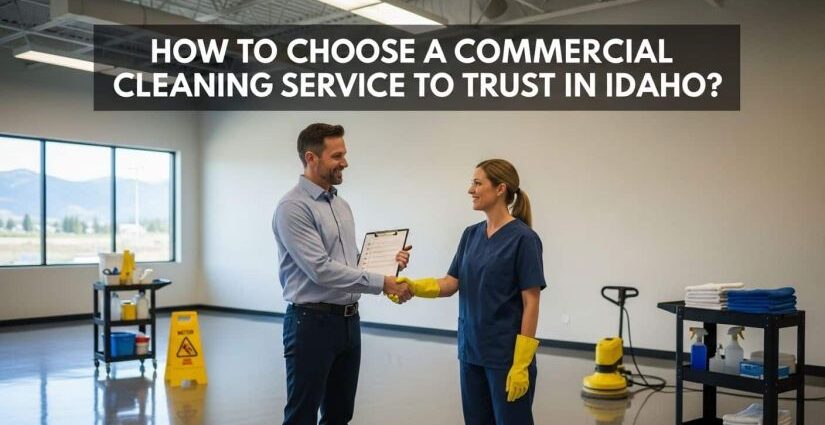
Selecting the right commercial cleaning service isn’t just about finding someone to vacuum your floors—it’s about partnering with a trusted team that protects your facility’s reputation, maintains health standards, and creates a spotless environment for employees and customers. For facility managers and business owners across North Idaho and Spokane, choosing a commercial cleaning company requires careful evaluation of credentials, service quality, and proven reliability.
“After three decades in the cleaning industry, I’ve seen too many businesses suffer from poor janitorial partnerships,” says Rich Greco, owner of ProTex Janitorial Cleaning by Rich Greco. “The difference between a mediocre cleaning service and an exceptional one comes down to professionalism, accountability, and a genuine commitment to quality. When you’re vetting potential cleaning companies, you need to dig deeper than just price comparisons.”
This comprehensive guide walks you through the essential factors to consider when choosing a commercial cleaning service in Idaho, from verifying credentials and insurance coverage to evaluating specialized expertise and quality control systems. Whether you manage office buildings in Coeur d’Alene, retail stores in Spokane Valley, or medical facilities in Post Falls, these practical insights will help you make an informed decision.
Key Takeaways
- Verify licensing, insurance, and bonding before signing any contract—legitimate commercial cleaning companies carry general liability limits of at least $1 million and provide current certificates of insurance (COI)
- Quality assurance inspections and inspection scorecards separate professional services from unreliable vendors; look for companies that conduct regular site walkthroughs and maintain documented performance metrics
- Industry-specific expertise matters significantly—medical offices require HIPAA-aware practices, food service areas need HACCP protocols, and educational facilities demand specialized training beyond general cleaning
- Green cleaning programs with Green Seal GS-37 chemicals and UL EcoLogo certified products protect indoor air quality while meeting sustainability goals
- Transparent pricing structures should include scope of work matrices, cleaning frequency schedules, and clear contract exclusions to prevent surprise charges
- Response time to requests and mean time to resolution indicate a company’s commitment to service—professional vendors respond within one business hour and provide same-day emergency dispatch
Why Facility Managers Switch Janitorial Companies
Survey of 738 Facility Managers Revealed These Top Pain Points
Poorly Trained Staff
Inadequate training leads to inconsistent quality, safety violations, and damage to facility surfaces and equipment.
Inconsistent Attendance & No-Shows
Unreliable cleaning crews create dirty facilities, frustrated employees, and emergency scrambles to find last-minute coverage.
Missing Items & Theft
Lack of background checks and accountability systems result in stolen property and broken trust between vendors and clients.
Poor Communication
Vendors who don’t respond promptly to requests, fail to report issues, or lack clear points of contact cause ongoing frustration.
77%
Of facility managers cite reliability as their #1 requirement when choosing commercial cleaning services
Understanding Your Commercial Cleaning Needs
Before evaluating potential cleaning companies, you must first understand your facility’s unique needs. Every business has different cleaning challenges based on square footage, traffic patterns, industry requirements, and operational hours.
Assess Your Facility’s Cleaning Requirements
Different commercial spaces demand different cleaning approaches. An office building in downtown Boise requires routine cleaning services focused on workstations, conference rooms, and common areas. Meanwhile, a manufacturing facility in Sandpoint needs industrial cleaning capabilities to handle heavy equipment, production floors, and specialized surface treatments.
Start by conducting a site-specific risk assessment and job hazard analysis to identify:
- High-traffic areas requiring daily cleaning attention
- Specialized surfaces (VCT strip and wax, terrazzo polishing, concrete and epoxy floors)
- Restroom audit checklist items and supply passthrough transparency needs
- Touchpoint disinfection lists for frequently contacted surfaces
- Unique cleaning needs specific to your industry
Rich Greco emphasizes the importance of this initial assessment: “We always begin with a baseline walkthrough with photos and create a detailed floor plan zoning map. This helps us understand not just what needs cleaning, but why certain areas matter most to the facility manager. A medical office has completely different priorities than a retail store—and your janitorial service needs to recognize those distinctions immediately.”
Define Your Cleaning Frequency Schedule
How often do your commercial spaces need professional cleaning? Some businesses require night cleaning crews five days a week, while others benefit from day porter services during business hours. Your cleaning frequency schedule should align with:
- Employee and customer foot traffic volume
- Industry standards and regulatory requirements (OSHA 1910 compliance, health department codes)
- Budget constraints and pricing per square foot calculations
- Seasonal variations (snow and sand entryway control during Idaho winters)
A well-structured routine cleaning program establishes consistency, while periodic specialty cleaning services address deep cleaning needs that fall outside regular maintenance.
Identify Industry-Specific Requirements
Your industry dictates specialized cleaning protocols that generic cleaning businesses may not understand. Consider these industry-specific needs:
Medical Facilities: Require medical office cleaning standards including infection prevention plans, outbreak disinfection protocols, ATP hygiene monitoring, and bloodborne pathogens training. Professional cleaners must understand HIPAA-aware practices and EPA List N disinfectants with proper dwell time compliance.
Food Service Facilities: Need food service facilities cleaning that includes HACCP protocols, kitchen exhaust cleaning, grease trap maintenance, and food-safe sanitizers.
Educational Facilities: Demand educational facilities expertise with background-checked staff, child-safe cleaning products, and flexible scheduling around school hours.
Manufacturing and Production: Require industrial cleaning capabilities including heavy machinery cleaning, warehouse floor maintenance, and handling of industrial debris.
Retail Stores: Benefit from retail cleaning services that maintain impressive storefronts, protect merchandise, and create positive impressions on customers during business hours.
Essential Credentials and Qualifications to Verify
Choosing a cleaning company starts with verification. Reputable companies provide documentation proving their legitimacy, professionalism, and preparedness to handle your facility responsibly.
Essential Credentials Verification Checklist
Request These Documents Before Signing Any Contract
Insurance & Legal
Certifications & Training
Licensed and Insured: Non-Negotiable Requirements
Never hire a commercial cleaning service without proper insurance coverage. This protects your business from liability if accidents, injuries, or property damage occur during cleaning operations.
Request copies of:
- Certificate of Insurance (COI) listing your business as certificate holder
- General liability limits of at least $1 million (preferably $2 million aggregate)
- Workers’ compensation coverage protecting cleaning crew members
- Umbrella policy details for additional protection beyond base coverage
- Bonded and insured vendor documentation proving theft and dishonesty coverage
“I’ve seen businesses devastated by hiring unlicensed cleaning crews,” Rich Greco warns. “If an uninsured cleaner gets injured in your building, you could face enormous liability. Professional commercial cleaning companies like ProTex maintain comprehensive coverage and update our COI annually. We provide this documentation upfront—and any janitorial company that hesitates should raise immediate red flags.”
Professional Certifications and Training Programs
Industry certifications demonstrate a cleaning company’s commitment to quality and professional standards. Look for companies holding:
- ISSA CIMS or CIMS-GB certification (Cleaning Industry Management Standard with Green Building focus)
- GBAC trained technicians (Global Biorisk Advisory Council for disinfection excellence)
- IICRC floor care certification for carpet hot water extraction, encapsulation cleaning, and hard surface restoration
- International Sanitary Supply Association membership showing industry engagement
Additionally, investigate the company’s onboarding and training plan for new employees. Professional cleaning services implement:
- Standard operating procedures (SOPs) documented in a digital SOP library with version-controlled documents
- SDS and chemical handling training ensuring proper use of cleaning products
- PPE usage policy protecting workers and maintaining safety standards
- Hazard communication (GHS) training for chemical safety
- Slip, trip, fall prevention protocols critical in commercial environments
- Continued education hours keeping teams updated on latest cleaning techniques
Background Checks and Drug-Free Workplace Policy
Your facility’s security depends on trustworthy cleaning staff. Reputable commercial cleaning companies conduct thorough vetting:
- Background-checked staff screened for criminal history
- Drug-free workplace policy with regular testing
- E-Verify compliance confirming legal work authorization
- W-2 vs 1099 labor model transparency (W-2 employees generally indicate more stable, committed teams)
For sensitive environments like medical offices, banks, and educational facilities, these screenings become even more critical. Ask potential cleaning companies about their hiring standards and employee retention rates—high turnover often signals poor management and training.
Evaluating Service Quality and Reliability
Credentials establish baseline legitimacy, but service quality and reliability separate exceptional janitorial services from mediocre providers. Facility managers in North Idaho and Spokane need cleaning partners who consistently deliver spotless results.
Key Performance Indicators to Track
Professional Cleaning Services Should Measure and Report These Metrics
<1hr
Response Time
Professional vendors respond to service requests within one business hour
95%+
First Pass Yield
Tasks completed correctly the first time without requiring rework
<2%
Defect Rate
Issues identified per inspection should remain below 2% for quality service
99%+
Attendance Rate
Consistent crew attendance without no-shows or missed service days
8.5+
Client NPS Score
Net Promoter Score measuring client satisfaction and likelihood to recommend
<4hr
Mean Time to Resolution
Average time to fully resolve reported issues or service concerns
🏆 ProTex Quality Standards
Monthly
Quality Inspections
Quarterly
Executive Walkthroughs
Same Day
Emergency Response
100%
Background Checked Staff
Quality Assurance Inspections and Performance Metrics
Professional commercial cleaning services implement rigorous quality control systems. When evaluating potential cleaning companies, ask about their quality assurance inspections:
- Inspection scorecards documenting cleanliness by zone and rating performance
- First pass yield measurements showing work completed correctly the first time
- Defect rate per inspection tracking issues requiring correction
- Rework rate indicating how often cleaning must be repeated
- APPA custodial levels reference (Appearance Performance Program Application standards ranging from Level 1 “Orderly Spotlessness” to Level 5 “Unkempt Neglect”)
Top-tier cleaning businesses also provide:
- Photo verification checklists documenting completed work
- QR code area check-ins proving cleaners visited assigned zones
- Geofenced timekeeping ensuring crews arrive and work scheduled hours
- Gloss meter floor standards objectively measuring floor shine and finish quality
“Quality control separates professional janitorial services from weekend warriors with mops,” Rich Greco explains. “At ProTex, every site has a supervisor-to-cleaner ratio that ensures accountability. We conduct monthly business reviews with clients and quarterly executive walkthroughs. Our inspection scorecards give facility managers real data—not just promises—about our performance.”
For detailed quality metrics, review our comprehensive janitorial quality control checklist.
Response Time to Requests and Emergency Services
How quickly does a cleaning company address issues? In commercial environments, problems can’t wait until the next scheduled visit. Professional janitorial services offer:
- Response within one business hour to urgent requests
- Same-day emergency dispatch for spills, accidents, or unexpected situations
- Emergency spill response protocols for hazardous material incidents
- Mean time to resolution tracking how long problems remain unresolved
- Corrective action plans addressing recurring issues systematically
Service level agreements (SLAs) should specify these response times contractually. If a cleaning company can’t commit to documented response standards, they lack the infrastructure for reliable service.
Consistent Attendance and Staff Accountability
One of the biggest reasons facility managers switch cleaning companies is inconsistent attendance and no-shows. According to facility manager surveys, poor training, missing items, and lack of communication drive provider changes.
Look for cleaning companies with:
- Site lead accountability assigning specific supervisors to your location
- Attendance tracking systems documenting crew presence
- Backup staff protocols ensuring coverage when team members are sick or absent
- Communication systems providing updates about schedule changes
- Key control and access logs tracking who enters your facility and when
Reliable cleaning services maintain low turnover rates by offering living wage commitments, benefits, and career development. Companies that treat employees well deliver more consistent service quality.
Range of Services and Specialized Capabilities
Choosing the best commercial cleaning company means finding a partner who can handle all your types of services needs—both routine maintenance and specialized projects.
Core Commercial Cleaning Services
Every business needs fundamental office cleaning services as the foundation of facility maintenance. These include:
Daily Cleaning Tasks:
- Trash and recycling removal
- Restroom cleaning and sanitization with restroom supply management
- Vacuum carpeted areas and dust hard floors
- Surface disinfection of touchpoints (door handles, light switches, elevator buttons)
- Break room and kitchen cleaning
- Window and glass interior cleaning
Regular Cleaning and Maintenance:
- Commercial carpet cleaning using carpet hot water extraction or encapsulation cleaning
- Hard floor care including auto scrubber maintenance, high-speed burnishing, and scrub and recoat programs
- High dusting and vent cleaning to improve indoor air quality
- Upholstery cleaning for office furniture and lobby seating
Professional commercial cleaning services should offer customized cleaning plans tailored to your specific cleaning needs rather than one-size-fits-all packages.
Specialized Cleaning Services and Deep Clean Capabilities
Beyond routine maintenance, facilities periodically need deep clean interventions addressing areas neglected by daily cleaning. Specialized cleaning services include:
Floor Care Expertise:
- Floor cleaning and refinishing with VCT strip and wax
- LVT maintenance guidelines protecting luxury vinyl tile
- Tile and grout restoration removing embedded soil
- Terrazzo polishing restoring shine to historic floors
- Concrete and epoxy floor treatments for industrial spaces
Exterior and Hard-to-Reach Areas:
- Exterior window and glass cleaning with window washing safety plans
- Pressure washing exteriors removing grime from building facades
- Parking lot cleaning and maintenance
Project-Based Services:
- Post-construction cleaning removing dust, debris, and construction materials
- Move-in/move-out deep cleaning for tenant transitions
- Seasonal deep cleaning projects (spring cleaning, fall preparation)
Disinfection and Sanitation:
- Disinfection services using EPA List N disinfectants with proper dwell time compliance
- Electrostatic spraying for comprehensive surface coverage (learn more about next-generation disinfection tools)
- Outbreak disinfection protocols for infectious disease response
Green Cleaning Programs and Sustainable Practices
Sixty percent of facility managers now prioritize eco-friendly practices when selecting cleaning services. Green cleaning products and sustainable cleaning methods deliver multiple benefits:
- Improved indoor air quality reducing respiratory irritants and chemical sensitivities
- Environmental responsibility supporting corporate sustainability goals
- Safer work environment for employees minimizing exposure to harsh chemicals
- Reduced water usage through water-saving cleaning methods
- Lower environmental impact with biodegradable, low-VOC formulations
Look for commercial cleaning companies offering:
- Green Seal GS-37 chemicals meeting rigorous environmental standards
- UL EcoLogo certified products independently verified for sustainability
- Low VOC formulations protecting air quality
- Microfiber color-coding preventing cross-contamination while reducing chemical use
- HEPA backpack vacuums capturing microscopic particles
- Dilution control systems preventing product waste and overuse
- Recycling and waste diversion programs reducing landfill disposal
- Energy-efficient equipment lowering electricity consumption
ProTex’s commitment to green cleaning demonstrates how sustainable practices benefit both business needs and environmental goals.
Understanding Pricing Models and Contract Terms
Transparent pricing and fair contract terms protect both parties and prevent misunderstandings. When choosing a commercial cleaning service, carefully review financial arrangements.
Common Pricing Structures for Janitorial Services
Commercial cleaning companies typically offer several pricing models:
Fixed Monthly Retainer: Most common for routine cleaning services with predictable scope. You pay a consistent monthly fee regardless of minor variations in time spent.
- Advantages: Budget certainty, simplified invoicing
- Disadvantages: May pay for unneeded services during slow periods
Pricing Per Square Foot: Based on total cleanable area multiplied by a per-square-foot rate.
- Advantages: Easy to understand and compare between vendors
- Disadvantages: Doesn’t account for varying cleaning intensity by zone
Time and Materials Clause: Billing based on actual hours worked plus materials consumed.
- Advantages: Only pay for work performed
- Disadvantages: Unpredictable monthly costs, requires close monitoring
Hybrid Models: Combining fixed retainer for routine services with time-and-materials for specialty cleaning.
Ask potential cleaning companies to provide:
- Detailed scope of work matrices listing every task, frequency, and responsible party
- Cleaning frequency schedules showing exactly what’s cleaned daily, weekly, monthly
- Not-to-exceed language capping maximum charges for variable-cost services
- Price escalation clauses explaining how rates may change over the contract term
- Consumables cost breakdown separating labor from supplies like restroom paper products
- Supply passthrough transparency showing actual costs of materials without markup
Commercial Cleaning Cost Ranges in Idaho
Typical Pricing Per Square Foot by Service Type
Frequency Impact
5-day-per-week service costs 30-40% less per visit than 1-2 day schedules due to efficiency
Facility Complexity
Multi-floor buildings, specialized equipment, and unique surfaces increase labor time and costs
Green Cleaning
Certified eco-friendly products typically add 5-10% but reduce long-term health and environmental costs
Contract Terms and Service Level Agreements
Read the fine print before signing any janitorial service contract. Pay special attention to:
Service Specifications:
- Scope of work defining exactly what’s included and excluded
- Cleaning standards by zone referencing APPA levels or similar benchmarks
- Service level agreement (SLA) specifying response times and performance standards
- Quality control measures including inspection frequency and accountability
Operational Details:
- Holiday service schedule clarifying which holidays are included or excluded
- Business hours for cleaning (night cleaning crews, day porter services, etc.)
- Key control and access logs documenting building entry procedures
- Alarm and lock procedures preventing false alarms
- After-hours security protocol ensuring facility protection
Protection and Liability:
- Indemnification language specifying liability responsibility
- Insurance requirements and certificate of insurance provisions
- Subcontractor disclosure if company uses non-employee labor
- Incident reporting workflow for accidents or damage
Contract Management:
- Contract term and renewal (usually 1-3 years)
- Termination for cause terms allowing exit for poor performance
- Notice requirements for cancellation (typically 30-60 days)
- Service credits for misses compensating you for unmet standards
- Makegood visit process for correcting deficiencies
- Change management during transitions when adjusting services
“Too many facility managers sign contracts without reading them carefully,” Rich Greco cautions. “We provide clear contract exclusions so clients know exactly what’s included. If something’s not on the scope of work, it won’t get done—and you shouldn’t pay for it. Professional janitorial companies welcome questions about pricing and contract terms because we want long-term partnerships built on mutual understanding.”
Hidden Costs and Unexpected Charges
Watch for hidden costs that inflate your final bill. Unscrupulous cleaning businesses may lowball initial quotes then add charges for:
- “Special” cleaning equipment supposedly required
- Proprietary cleaning products marked up significantly
- Administrative fees or fuel surcharges not disclosed upfront
- Penalties for “difficult” cleaning situations
- Required minimum contract lengths with steep early termination fees
Reputable commercial cleaning services provide all-inclusive pricing with clear explanations of any potential additional costs.
Evaluating Experience and Industry References
Experience in your specific industry dramatically improves cleaning outcomes. A janitorial company that excels at office buildings may struggle with medical facilities or industrial environments.
Industry-Specific Expertise and Case Studies
When vetting potential cleaning companies, ask about case studies in similar sites:
Office and Commercial Buildings: Do they understand the unique needs of office and commercial buildings including conference room setup, workstation cleaning, and maintaining professional appearances?
Medical Facilities: Have they successfully served medical facilities requiring infection prevention plans, HIPAA-aware practices, and medical-grade disinfection?
Retail Stores: Can they demonstrate success with retail stores needing flexible scheduling, merchandise protection, and customer-facing cleanliness?
Manufacturing and Production: Do they have manufacturing and production experience handling heavy equipment, industrial debris, and specialized floor coatings?
Food Service Facilities: Have they managed food service facilities with HACCP protocols, health inspection requirements, and kitchen cleaning expertise?
Educational Facilities: Are they prepared for educational facilities with child safety requirements, school calendar flexibility, and large-scale floor maintenance?
Automotive Industry: Can they handle automotive industry needs including showroom glass, service bay cleaning, and parts department organization?
Checking References and Online Reviews
Don’t rely solely on what cleaning companies tell you—verify through references. Professional janitorial services gladly provide:
- Industry references verified through direct contact with facility managers
- Contact information for current clients in similar industries
- Testimonials addressing specific pain points (reliable staff, green cleaning, safety compliance)
- Client retention data showing average customer relationship length
Check online reviews across multiple platforms:
- Google My Business reviews (look for specific details, not generic praise)
- Better Business Bureau ratings and complaint resolution
- Industry-specific review sites
- Social media feedback
When reading reviews, watch for patterns around:
- Consistent attendance or no-show problems
- Communication quality and responsiveness
- Quality of service and attention to detail
- Professionalism of cleaning crews
- Problem resolution when issues arise
Red flags include:
- Repeatedly deleted negative reviews
- Generic positive reviews lacking specific details
- Recent surge of 5-star reviews (possible fake review campaign)
- Defensive or hostile responses to criticism
- Unresolved complaints about serious issues
Local vs. National Janitorial Companies
Should you choose local companies or national franchises? Both have advantages:
Local vs. National Janitorial Companies
Key Differences to Consider When Choosing Your Cleaning Partner
| Factor | Local Companies (Like ProTex) | National Franchises |
|---|---|---|
| Accountability | Direct access to owners and decision-makers who live in the community ✓ ADVANTAGE | Multi-layer management structure; local franchisee may have limited authority |
| Customization | Highly flexible service plans tailored to unique facility needs ✓ ADVANTAGE | Standardized processes with limited flexibility for customization |
| Regional Expertise | Deep understanding of North Idaho winters, local building types, and regional challenges ✓ ADVANTAGE | May lack knowledge of regional weather impacts and local facility requirements |
| Response Time | Quick local response with owner involvement in urgent situations ✓ ADVANTAGE | Must navigate corporate protocols; potentially slower decision-making |
| Resource Base | Focused resources on local market; may have capacity limits for rapid scaling | Larger resource pool and equipment inventory for emergencies ✓ ADVANTAGE |
| Quality Systems | Owner-driven quality control with personal stake in reputation VARIES | Established corporate protocols and standardized training VARIES |
| Pricing | Competitive rates without franchise fees; value-driven pricing ✓ ADVANTAGE | Franchise fees may increase costs; corporate overhead affects pricing |
| Community Impact | Supports local economy; employs community members; reinvests locally ✓ ADVANTAGE | Profits flow to corporate headquarters; less local economic impact |
| Multi-State Coverage | Focused on North Idaho and Spokane region | Can provide consistent service across multiple states ✓ ADVANTAGE |
Local Commercial Cleaning Companies:
- Direct access to owners and decision-makers
- Flexibility adapting to unique needs
- Deep understanding of North Idaho and Spokane facilities
- Personalized service and relationship building
- Supporting local economy
National Janitorial Franchises:
- Standardized processes and training
- Larger resource base for emergencies
- Established protocols and quality systems
- National insurance coverage
- Potential backup if local franchise struggles
“As a local, family-owned business serving Spokane, Coeur d’Alene, and surrounding areas for over 30 years, we bring a level of accountability that’s harder to find with distant corporate chains,” Rich Greco notes. “When you call ProTex, you’re talking to people who live in this community, understand North Idaho winters, and personally stand behind our work. That personal commitment makes a real difference in service quality.”
Communication, Technology, and Customer Service
Strong communication systems prevent the frustrations that drive facility managers to switch cleaning companies. Modern janitorial services leverage technology to improve transparency and responsiveness.
Communication Systems and Escalation Paths
Professional commercial cleaning companies provide:
- Single point of contact serving as your primary liaison
- Escalation path and contacts for urgent issues requiring management intervention
- Client portal access to service records, inspection reports, and billing
- Work order system for submitting special requests and tracking completion
- CMMS integration (Computerized Maintenance Management System) connecting cleaning data with broader facility management
Clear communication protocols should include:
- Response within one business hour to service requests
- Same-day emergency dispatch for urgent cleaning needs
- Occupant satisfaction surveys gathering feedback from building users
- Monthly business reviews discussing performance and concerns
- Quarterly executive walkthroughs with leadership reviewing results
- NPS for facilities (Net Promoter Score) measuring satisfaction trends
Technology-Enhanced Quality Control
Modern cleaning businesses utilize technology for proof of performance:
- Photo verification checklists documenting completed tasks
- QR code area check-ins confirming cleaners visited assigned zones
- Geofenced timekeeping verifying crew arrival and departure
- ATP hygiene monitoring scientifically measuring surface cleanliness
- KPIs dashboard reporting visualizing performance trends
- Digital SOP library with version-controlled documents accessible via mobile devices
These systems provide peace of mind through transparent accountability rather than simply trusting verbal assurances.
Customer Service and Problem Resolution
How a cleaning company handles problems reveals their true character. Evaluate their:
- Corrective action plan process for addressing deficiencies
- Service credits for misses compensating you when they fall short
- Makegood visit process for quickly resolving issues
- Incident reporting workflow documenting and learning from mistakes
- Commitment to quality evidenced by willingness to make things right
The best commercial cleaning services view complaints as opportunities to improve rather than threats to their reputation.
Health, Safety, and Regulatory Compliance
Workplace safety and regulatory compliance aren’t optional—they’re legal requirements protecting employees, customers, and your business from liability.
OSHA Compliance and Safety Protocols
Reputable janitorial services maintain strict OSHA 1910 compliance including:
- Hazard communication (GHS) training on chemical safety
- Bloodborne pathogens training for medical facilities and contamination risks
- Slip, trip, fall prevention protocols reducing workplace injuries
- Lockout tagout awareness for equipment maintenance safety
- PPE usage policy requiring appropriate protective equipment
- SDS and chemical handling procedures for every cleaning product
Ask potential cleaning companies about:
- Their OSHA citation history (publicly available through OSHA database)
- Continued education hours keeping staff updated on safety regulations
- Multilingual training materials ensuring all staff understand safety protocols
- Job hazard analysis conducted before starting new sites
Indoor Air Quality and Healthy Cleaning Practices
Poor cleaning practices actually harm indoor air quality through:
- Over-application of harsh chemicals
- Inadequate ventilation during cleaning
- Stirring up dust and allergens
- Using equipment with poor filtration
Professional cleaning services protect indoor air quality through:
- HEPA backpack vacuums capturing 99.97% of particles 0.3 microns or larger
- Low VOC formulations minimizing airborne irritants
- Microfiber color-coding trapping particles rather than spreading them
- Proper ventilation during and after cleaning
- CO2 and ventilation checks monitoring air quality
- Green cleaning products reducing chemical exposure
Research shows improved indoor air quality boosts employee productivity and reduces sick days—making quality cleaning an investment, not an expense.
Disinfection Standards and Infection Prevention
Since the pandemic, disinfection expectations have permanently elevated. Effective infection prevention plans require:
- EPA List N disinfectants approved for SARS-CoV-2 and other pathogens
- Dwell time compliance allowing disinfectants adequate contact time
- Touchpoint disinfection lists identifying high-risk surfaces
- No-touch restroom cleaning minimizing cross-contamination
- ATP hygiene monitoring validating disinfection effectiveness
- Outbreak disinfection protocol responding rapidly to infectious disease incidents
Medical offices, schools, gyms, and food service facilities especially need janitorial partners with proven infection prevention expertise.
Location-Specific Considerations for Idaho Businesses
North Idaho and Spokane present unique cleaning challenges that out-of-area companies may not understand. Local expertise matters when addressing regional conditions.
Snow, Sand, and Seasonal Cleaning Needs
Idaho winters create specific facility maintenance challenges:
Snow and Sand Entryway Control:
- Industrial walk-off mats capturing snow, salt, and grit
- Matting program effectiveness requiring proper sizing and maintenance
- Frequent vacuuming preventing tracked-in debris from scratching floors
- Extra attention to hard floor care during winter months
Seasonal Deep Cleaning: Review our comprehensive fall office cleaning checklist and seasonal cleaning checklist for preparing workplaces for weather changes.
Serving Multiple Idaho and Washington Locations
ProTex provides reliable commercial cleaning throughout the Inland Northwest:
- Spokane commercial cleaning and Spokane Valley janitorial services
- Coeur d’Alene office cleaning serving Kootenai County facilities
- Post Falls janitorial services for industrial and commercial properties
- Sandpoint commercial cleaners and Sagle Idaho businesses
- Bonner County facilities across the northern panhandle
- Multi-tenant office buildings and property management partners
This regional coverage ensures consistent service whether you manage a single location or multiple facilities across North Idaho and Eastern Washington.
Understanding Local Business Needs
Different facility types across the region require tailored approaches:
- Bank and financial branches needing security-conscious cleaning
- Fitness centers and gyms requiring disinfection-focused protocols
- Churches and nonprofits seeking value-driven services
- Retail store portfolios maintaining brand standards across locations
- Property management partners coordinating services for multiple tenants
“Every region has its cleaning challenges,” Rich Greco observes. “Here in North Idaho and Spokane, we deal with winter weather eight months of the year. That means floor care becomes crucial—VCT gets damaged by salt and sand if not properly maintained. Local janitorial companies understand these seasonal needs because we live with them ourselves.”
Red Flags When Choosing a Cleaning Company
Avoid costly mistakes by recognizing warning signs during the selection process. Certain behaviors indicate unreliable or unprofessional cleaning businesses.
Warning Signs of Unreliable Vendors
Run away from cleaning companies that:
- Refuse to provide certificate of insurance or liability documentation
- Can’t offer verifiable industry references
- Pressure you to sign contracts immediately with “limited time” pricing
- Provide quotes dramatically lower than competitors (often indicate corners will be cut)
- Use vague service descriptions without detailed scope of work
- Lack written standard operating procedures
- Can’t explain their quality control process
- Don’t conduct site visits before quoting
- Use unlicensed or uninsured subcontractors
- Have numerous unresolved BBB complaints
- Provide no information about training programs
- Can’t demonstrate industry certifications
- Refuse to sign service level agreements with performance guarantees
Questions That Reveal Professionalism
Ask these questions to separate quality providers from poor ones:
- “Can you provide your current certificate of insurance naming us as certificate holder?”
- “What is your supervisor-to-cleaner ratio and who will be our site lead?”
- “Walk me through your onboarding and training plan for new employees.”
- “How do you conduct quality assurance inspections at client sites?”
- “What is your mean time to resolution when clients report issues?”
- “Do you use W-2 employees or 1099 contractors?”
- “What green cleaning certifications do your products hold?”
- “Can you provide three references from clients in our industry?”
- “How do you handle backup when regular staff are unavailable?”
- “What technology do you use for communication and accountability?”
Professional commercial cleaning companies answer these confidently with specific details, not vague generalities.
Making Your Final Decision
After evaluating credentials, services, pricing, and references, you’re ready to choose the right commercial cleaning service for your Idaho business.
Creating Your Vendor Selection Scorecard
Systematically compare candidates using a weighted scorecard:
| Evaluation Category | Weight | Vendor A | Vendor B | Vendor C |
|---|---|---|---|---|
| Licensing & Insurance | 20% | |||
| Industry Experience | 15% | |||
| Service Offerings | 15% | |||
| Quality Control Systems | 15% | |||
| Pricing & Contract Terms | 10% | |||
| Communication & Technology | 10% | |||
| References & Reviews | 10% | |||
| Local Expertise | 5% |
Rate each vendor 1-10 in each category, multiply by the weight, and total the scores for objective comparison.
Trial Periods and Performance Guarantees
Don’t commit long-term until you’ve validated performance. Request:
- Baseline walkthrough with photos documenting initial conditions
- 30-60 day trial period before signing multi-year contracts
- Satisfaction guarantees allowing termination if standards aren’t met
- Monthly business reviews during the trial to address concerns quickly
Smart facility managers test a new cleaning company on a limited scope before expanding to full service.
Building a Long-Term Partnership
The right janitorial service becomes a trusted partner in facility management, not just a vendor. Foster this relationship by:
- Communicating expectations clearly from day one
- Providing feedback promptly when issues arise
- Recognizing excellent work beyond just pointing out problems
- Paying invoices on time to support vendor stability
- Collaborating on continuous improvement through regular reviews
- Respecting cleaning crews and their professional expertise
- Planning ahead for special events or changes in facility use
“The best client relationships last decades, not months,” Rich Greco reflects. “When facility managers treat us as partners rather than just vendors, everyone wins. We invest more in understanding their unique needs, they provide clearer communication, and together we create cleaner, healthier, more productive workplaces. That’s what professional janitorial services should deliver.”
Understanding the RFP Process for Larger Organizations
For larger facilities or property management companies, formal procurement through an RFP (Request for Proposal) ensures systematic vendor selection.
Creating an Effective RFI or RFP for Janitorial Services
A well-structured RFI for janitorial services or janitorial RFP template should include:
Executive Summary:
- Facility details (location, square footage, occupancy)
- Current cleaning challenges and pain points
- Goals and objectives for new partnership
- Timeline for selection and implementation
Scope of Work Matrix: Detailed table listing:
- Every area to be cleaned
- Specific tasks for each area
- Frequency (daily, weekly, monthly, quarterly)
- Time requirements
- Special instructions or requirements
Technical Requirements:
- Cleaning frequency schedule by zone
- Industry-specific requirements
- Required certifications (CIMS, GBAC, IICRC)
- Insurance minimums (general liability, workers’ comp)
- Background check and drug testing policies
- Green cleaning program expectations
Service Level Agreement (SLA) Requirements:
- Response time to requests (within one business hour)
- Mean time to resolution for issues
- Quality assurance inspection frequency
- Performance metrics and KPIs dashboard reporting
- Service credits for misses
- Escalation path and contacts
Operational Details:
- Business hours and cleaning schedule preferences
- Key control and access logs procedures
- After-hours security protocol requirements
- Holiday service schedule expectations
- Mobilization timeline for transition
- Change management during transitions process
Pricing Instructions:
- Pricing per square foot calculation method
- Fixed monthly retainer vs. time and materials options
- Consumables cost breakdown requirements
- Supply passthrough transparency
- Price escalation clause allowances
- Not-to-exceed language requirements
Submission Requirements:
- Certificate of insurance (COI) samples
- Industry references verified with contact information
- Case studies in similar sites
- Proof of certifications and training programs
- Standard operating procedures samples
- Quality control documentation
- Technology and communication systems description
Evaluating RFP Responses Objectively
Score proposals systematically rather than relying on gut feelings:
Mandatory Requirements (Pass/Fail):
- Licensed and insured with adequate coverage
- Industry experience minimum (e.g., 5+ years)
- Geographic service area includes your location
- Background-checked staff policy
- Acceptable references
Scored Criteria: Rate each response 1-10 on:
- Scope understanding – Do they comprehend your needs?
- Proposed approach – Is their methodology sound?
- Quality systems – Are inspection and accountability measures robust?
- Experience relevance – Do case studies match your situation?
- Staff qualifications – Training, certifications, retention rates
- Technology capabilities – Communication, reporting, efficiency tools
- Green cleaning commitment – Certified products and sustainable practices
- Pricing competitiveness – Value relative to scope (not just lowest bid)
- Contract terms – Fair, clear, flexible language
- References – Strength of recommendations from similar clients
Conducting Site Visits and Vendor Presentations
In-person evaluation reveals what proposals can’t: Invite finalists to:
- Conduct site-specific risk assessment walking through your facility
- Present their approach to your selection committee
- Demonstrate equipment they would use
- Meet key personnel including your proposed site lead
- Answer technical questions about specialized cleaning needs
- Discuss mobilization timeline and transition planning
Watch for:
- Preparedness and professionalism
- Asking insightful questions about your facility
- Realistic commitments (not over-promising)
- Chemistry with your team
- Problem-solving approach when discussing challenges
Frequently Asked Questions
What should I look for in a commercial cleaning company contract?
A solid cleaning service contract should clearly define the scope of work with detailed task lists, cleaning frequencies, and service hours. Ensure it includes performance standards, quality assurance inspection protocols, response time guarantees, and insurance requirements. Look for fair termination clauses allowing exit with 30-60 days’ notice, price escalation limitations, and service credits when standards aren’t met. The contract should specify holiday schedules, key control procedures, and the escalation path for resolving issues.
How much do commercial cleaning services cost in Idaho?
Commercial cleaning pricing typically ranges from $0.05 to $0.20 per square foot depending on frequency, scope, and facility type. A 10,000 square-foot office receiving nightly cleaning might cost $1,500-$3,000 monthly. Medical facilities and industrial spaces cost more due to specialized requirements. Request detailed quotes showing pricing per square foot, consumables cost breakdowns, and any additional fees. Fixed monthly retainers provide budget certainty compared to variable time-and-materials pricing.
How do I verify a cleaning company is properly insured?
Request a current certificate of insurance (COI) naming your business as certificate holder. Verify it includes general liability coverage of at least $1 million, workers’ compensation insurance, and bonded coverage for theft protection. Call the insurance company directly using the agent contact information on the COI to confirm the policy is active. Never accept expired certificates or verbal assurances—proper documentation protects you from liability if accidents occur during cleaning operations.
What certifications should professional cleaning companies have?
Look for ISSA CIMS or CIMS-GB certification (Cleaning Industry Management Standard), which validates systematic quality processes. GBAC trained technicians demonstrate advanced disinfection expertise, while IICRC certification proves floor care and carpet cleaning proficiency. Green cleaning programs should include Green Seal GS-37 or UL EcoLogo certified products. Industry membership in the International Sanitary Supply Association indicates professional engagement. These certifications demonstrate commitment to industry standards beyond basic cleaning.
How often should commercial spaces be professionally cleaned?
Most office buildings require cleaning five days a week with daily trash removal, restroom sanitation, and high-traffic area maintenance. Medical facilities often need daily disinfection with additional touchpoint cleaning during business hours. Retail stores benefit from daily cleaning plus weekly deep-clean tasks. Industrial facilities may need specialized cleaning schedules based on production cycles. Your cleaning frequency schedule should align with foot traffic, industry regulations, and budget constraints.
What’s the difference between janitorial services and commercial cleaning?
The terms janitorial services and commercial cleaning are often used interchangeably, both referring to professional cleaning of business facilities. However, “janitorial” traditionally emphasizes routine, ongoing maintenance contracts while “commercial cleaning” can include both regular services and one-time projects like post-construction cleanup. Professional companies offer comprehensive solutions including routine cleaning, specialty services, floor care, carpet cleaning, and disinfection—regardless of terminology. Focus on the scope of services offered rather than the title.
How can green cleaning benefit my business?
Green cleaning programs using certified sustainable products improve indoor air quality by reducing VOC exposure and respiratory irritants. This leads to fewer employee sick days and increased productivity. Eco-friendly practices demonstrate corporate responsibility, appealing to environmentally conscious clients and employees. Green Seal GS-37 chemicals and UL EcoLogo certified products clean effectively while minimizing environmental impact. Many businesses find green cleaning also reduces long-term costs through efficient dilution systems and concentrated formulations.
Should I choose a local or national cleaning company?
Local janitorial companies like ProTex offer personalized service, direct owner accountability, and deep understanding of regional challenges like North Idaho winters. You’ll work with decision-makers who live in your community and respond quickly to concerns. National franchises provide standardized processes and broader resources but may lack flexibility and personal relationships. Consider your priorities: if customized service and local accountability matter most, choose established local providers. If you need consistent service across multiple states, national companies may fit better.
What should I ask during a cleaning company site visit?
During the baseline walkthrough with photos, ask how they would handle your specific cleaning challenges. Request details about their supervisor-to-cleaner ratio and who would serve as your site lead. Discuss their quality assurance inspection process and how they document performance. Ask about backup plans when staff are unavailable and their response time to urgent requests. Inquire about their training programs, safety protocols, and green cleaning options. Professional companies will ask insightful questions about your needs rather than just presenting generic solutions.
How do I transition to a new janitorial service?
A professional mobilization timeline includes detailed transition planning with clear responsibilities. The new company should conduct a comprehensive site-specific risk assessment and baseline walkthrough with photos documenting initial conditions. Establish key control and access logs, alarm codes, and after-hours security protocols. Schedule overlapping service for the first week if possible to ensure continuity. Implement a corrective action plan for addressing any issues during transition. Most professional cleaning services can mobilize within 2-4 weeks with proper planning and communication.
What are the most common reasons businesses switch cleaning companies?
Facility manager surveys identify inconsistent attendance and no-shows as the primary frustration. Poor training leading to quality issues, missing items or theft concerns, and lack of communication also drive changes. Many businesses switch because their current provider became complacent—delivering decreasing quality while raising prices. Others outgrow vendors who can’t scale services or add specialized capabilities. The best way to avoid these problems is thoroughly vetting cleaning companies upfront and maintaining regular performance reviews.
How important are background checks for cleaning staff?
Background-checked staff are essential for facility security, especially in sensitive environments like banks, medical offices, and schools. Professional commercial cleaning companies conduct criminal history screenings, verify employment eligibility through E-Verify, and maintain drug-free workplace policies. This protects your business from theft, liability, and security breaches. Companies investing in thorough screening also tend to have better overall quality because they value professionalism and long-term employment relationships. Never compromise on this requirement—your facility’s security depends on trustworthy cleaning crews.
Conclusion: Making the Right Choice for Your Idaho Business
Choosing a commercial cleaning service represents a significant decision impacting your facility’s appearance, employee health, and overall business reputation. By systematically evaluating credentials, service quality, specialized expertise, and communication systems, you can identify a trusted janitorial partner worthy of your confidence.
The best commercial cleaning companies distinguish themselves through documented quality control, transparent pricing, industry-specific experience, and genuine commitment to customer satisfaction. They carry proper insurance, employ trained and background-checked staff, use certified green cleaning products, and implement technology-driven accountability systems.
For facility managers across Spokane, Coeur d’Alene, Post Falls, Sandpoint, and throughout North Idaho, local expertise matters. Understanding regional challenges like winter weather impacts, seasonal facility needs, and community business relationships creates partnerships that national franchises struggle to replicate.
“After three decades serving this region, I’ve learned that exceptional janitorial services require more than mops and chemicals,” Rich Greco concludes. “It’s about reliability, professionalism, and accountability—showing up consistently, communicating proactively, and treating every facility like it’s our own. When you’re choosing a cleaning company, look for partners who share those values. Your facility deserves nothing less.”
Whether you manage a small office building or oversee multiple commercial properties, investing time in proper vendor selection pays dividends through improved cleanliness, reduced stress, and peace of mind knowing your facility is in capable hands.
Ready to experience the ProTex difference? Request a free estimate today and discover how professional commercial cleaning transforms your workplace into a spotless, healthy environment that employees and customers notice. Our team brings over 30 years of North Idaho and Spokane expertise to every facility we serve.
For more insights on maximizing facility cleanliness and management, explore our blog covering topics from seasonal cleaning strategies to facility management best practices and the business impact of cleanliness.
About the Author: This guide was developed by ProTex Janitorial Cleaning by Rich Greco, a family-owned commercial cleaning company serving North Idaho and Spokane for over 30 years. ProTex specializes in office buildings, medical facilities, retail stores, industrial facilities, and educational institutions across Kootenai County, Bonner County, and the greater Spokane area. Learn more about our services and industries served or contact us to discuss your facility’s unique cleaning needs