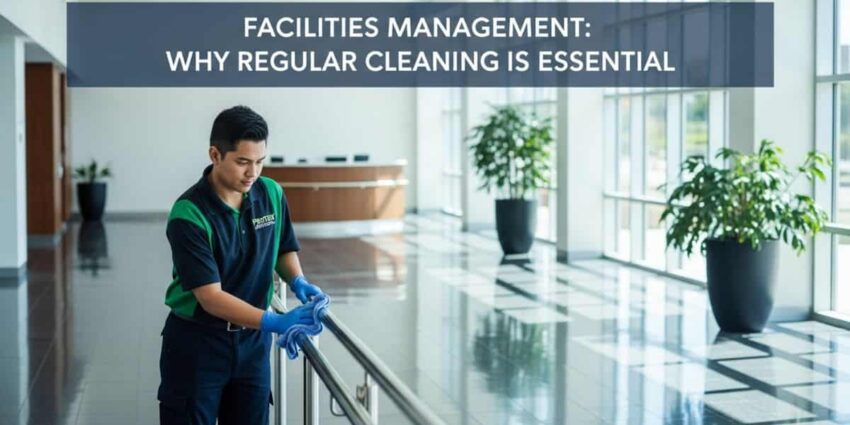
In today’s competitive business environment, regular cleaning forms the backbone of effective facilities management. As facilities managers navigate increasing demands for healthier workspaces, regulatory compliance, and cost-effective operations, the importance of regular cleaning cannot be overstated. Professional cleaning services like ProTex Janitorial Services understand that facility cleaning extends far beyond surface-level appearance—it’s a strategic investment in health and safety, asset preservation, and operational excellence.
Regular cleaning protocols directly impact everything from employee productivity to equipment longevity, making cleaning and maintenance an essential component of any successful facility management strategy. Whether managing office buildings, healthcare facilities, or manufacturing spaces, facility managers must recognize that cleaning is vital to maintaining a competitive edge and ensuring regulatory compliance.
Key Takeaways
- Health Protection: Regular cleaning reduces illness transmission by up to 80%, significantly decreasing employee absenteeism and healthcare costs
- Asset Preservation: Proper cleaning extends equipment and infrastructure lifespan by 30-50%, preventing costly premature replacements
- Regulatory Compliance: Consistent cleaning protocols ensure adherence to OSHA, CDC, and industry-specific health standards
- Productivity Enhancement: Clean environments boost employee morale and productivity by 12-15% according to workplace studies
- Cost Management: Proactive cleaning prevents expensive emergency repairs and reduces long-term maintenance costs
- Risk Mitigation: Professional cleaning minimizes liability risks associated with slip-and-fall accidents and health violations
🏢 Key Benefits of Regular Cleaning in Facilities
Health Protection
Asset Preservation
Productivity Boost
Cost Savings
✨ Professional cleaning services deliver measurable ROI through health protection, asset preservation, and operational efficiency
The Foundation of Facility Health: Understanding Regular Cleaning
What Makes Cleaning “Regular” and Effective?
Regular cleaning in facilities management encompasses systematic, scheduled maintenance activities designed to preserve facility integrity while protecting occupant health. Unlike sporadic cleaning efforts, effective facility maintenance requires structured approaches that address both visible and invisible contaminants.
“Cleaning is essential because it serves as the first line of defense against facility deterioration,” explains Rich Greco, a facilities management expert. “When we implement regular cleaning and maintenance protocols, we’re not just addressing today’s needs—we’re preventing tomorrow’s problems.”
Professional cleaning services distinguish themselves through:
- Systematic Scheduling: Daily, weekly, and monthly cleaning protocols tailored to facility needs
- Specialized Equipment: Advanced cleaning technology including HEPA filtration systems and electrostatic spraying
- Trained Personnel: Certified cleaning technicians with expertise in facility-specific requirements
- Quality Assurance: Regular inspections and performance monitoring to maintain cleaning standards
The Science Behind Effective Facility Cleaning
Modern facility cleaning relies on evidence-based approaches that combine traditional methods with innovative technologies. Deep cleaning processes target pathogens at the molecular level, while routine cleaning maintains baseline cleanliness standards between intensive treatments.
Key components of effective facilities cleaning include:
- Surface Disinfection: EPA-registered disinfectants eliminate 99.9% of harmful microorganisms
- Air Quality Management: HVAC system maintenance and air filtration improve indoor environmental quality
- High-Touch Area Focus: Enhanced cleaning of frequently contacted surfaces reduces transmission risks
- Waste Management: Proper disposal protocols prevent contamination and pest attraction
Health and Safety: The Primary Driver of Regular Cleaning
Protecting Occupant Wellness Through Professional Cleaning
Health and safety considerations drive every aspect of modern facility management, making cleaning and sanitizing protocols critical to operational success. Research demonstrates that well-maintained facilities experience significantly lower rates of illness transmission, workplace injuries, and health-related absences.
Professional cleaning addresses multiple health vectors simultaneously:
Pathogen Control and Infection Prevention
Regular cleaning and maintenance creates hostile environments for disease-causing microorganisms. Disinfection protocols using EPA-registered products reduce the spread of viruses, bacteria, and fungi by up to 99.9%.
Infection control strategies include:
- Touchpoint Mapping: Systematic identification and enhanced cleaning of high-contact surfaces
- Antimicrobial Coatings: Long-lasting surface treatments that inhibit microbial growth
- UV-C Disinfection: Ultraviolet germicidal irradiation for air and surface sterilization
- Electrostatic Spraying: Comprehensive coverage ensuring disinfectant reaches all surface areas
Indoor Air Quality Management
Air quality directly impacts occupant health, productivity, and comfort levels. Cleaning practices that address airborne contaminants include:
- HVAC System Maintenance: Regular filter replacement and duct cleaning prevent contaminant circulation
- High-Efficiency Particulate Air (HEPA) Filtration: Removes 99.97% of particles 0.3 microns or larger
- Ventilation Optimization: Proper air exchange rates dilute airborne contaminants
- Source Control: Elimination of pollutant sources through targeted cleaning protocols
Regulatory Compliance and Risk Management
Compliance with health standards requires documented cleaning protocols that meet or exceed regulatory requirements. Professional cleaning services ensure facilities maintain standards set by:
- OSHA (Occupational Safety and Health Administration): Workplace safety and health regulations
- CDC (Centers for Disease Control): Infectious disease prevention guidelines
- EPA (Environmental Protection Agency): Chemical safety and environmental protection standards
- Industry-Specific Regulations: Healthcare, food service, and educational facility requirements
📋 Industry Cleaning Standards & Compliance Requirements
OSHA Standards
Workplace Safety Requirements
- • Hazard Communication (GHS)
- • Personal Protective Equipment
- • Bloodborne Pathogen Protocol
- • Chemical Safety Data Sheets
CDC Guidelines
Infection Control Standards
- • EPA-Registered Disinfectants
- • Contact Time Requirements
- • High-Touch Surface Protocols
- • Air Quality Management
Green Standards
Environmental Compliance
- • Green Seal Certification
- • LEED Credit Requirements
- • Biodegradable Products
- • Waste Reduction Protocols
Industry-Specific
Specialized Requirements
- • Joint Commission (Healthcare)
- • FDA Food Safety Rules
- • ISO Quality Management
- • State Licensing Requirements
📊 Facility Type Compliance Matrix
| Facility Type | OSHA | CDC | Green | Industry |
|---|---|---|---|---|
| 🏥 Healthcare Facilities | ● | ● | ● | ● |
| 🏢 Office Buildings | ● | ● | ● | ○ |
| 🎓 Educational Facilities | ● | ● | ● | ● |
| 🏭 Manufacturing | ● | ● | ● | ● |
| 🛍️ Retail Spaces | ● | ● | ● | ○ |
| 🏨 Hospitality | ● | ● | ● | ● |
🎯 Compliance Monitoring KPIs
💡 Professional cleaning services ensure comprehensive compliance across all regulatory frameworks while maintaining operational excellence.
Rich Greco emphasizes, “Regular maintenance isn’t just about cleanliness—it’s about creating defensible documentation that protects organizations from liability while ensuring occupant safety.”
Asset Preservation: Extending Facility Lifespan Through Strategic Cleaning
The Economics of Proactive Cleaning
Facility maintenance extends far beyond immediate cleanliness concerns, directly impacting long-term asset value and operational costs. Regular cleaning prevents deterioration that leads to costly repairs or replacements, making it a sound financial investment.
Infrastructure Protection Strategies
Flooring and Surface Preservation
Floor care programs represent critical components of asset preservation, protecting multi-million-dollar investments through systematic maintenance:
- Preventive Cleaning: Daily maintenance prevents abrasive soil accumulation that causes permanent damage
- Periodic Deep Cleaning: Hot water extraction and steam cleaning methods restore appearance and functionality
- Protective Treatments: Floor finishes and sealers create barriers against wear and staining
- Grout Restoration: Specialized cleaning prevents moisture infiltration and structural damage
Carpet maintenance protocols extend the lifespan of textile flooring investments:
- Regular Vacuuming: High-efficiency equipment removes soil before it becomes embedded
- Spot Treatment: Immediate attention to spills prevents permanent staining
- Professional Extraction: Quarterly deep cleaning removes accumulated contaminants
- Fiber Protection: Application of soil-resistant treatments reduces future maintenance needs
HVAC System Optimization
HVAC system maintenance directly impacts energy efficiency, equipment longevity, and indoor air quality:
- Filter Management: Regular replacement prevents system strain and maintains air quality
- Coil Cleaning: Removes buildup that reduces efficiency and increases energy consumption
- Duct Sanitization: Eliminates microbial growth and improves air distribution
- Component Lubrication: Prevents mechanical wear and extends equipment life
Equipment and Infrastructure Maintenance
Cleaning and maintenance of equipment prevents premature failure while optimizing performance. Regular inspections identify potential issues before they become costly repairs.
Preventive maintenance programs include:
- Cleaning Supply Management: Proper chemical dilution and application prevents damage
- Equipment Calibration: Regular adjustments maintain optimal performance
- Wear Pattern Analysis: Systematic monitoring identifies replacement needs
- Documentation Systems: Maintenance logs support warranty claims and regulatory compliance
Productivity and Performance: The Hidden Benefits of Clean Facilities
The Psychology of Clean Workspaces
Clean facilities directly influence occupant behavior, morale, and performance. Research consistently demonstrates that clean and healthy environments enhance cognitive function, reduce stress, and improve overall job satisfaction.
Employee Health and Absenteeism Reduction
Regular cleaning significantly impacts workforce health metrics:
- Illness Prevention: Reduced pathogen loads decrease sick day frequency
- Allergen Control: Systematic dust and pollen removal benefits sensitive individuals
- Mental Health: Clean environments reduce stress and anxiety levels
- Physical Safety: Proper maintenance prevents slip-and-fall accidents
“When we maintain a clean and healthy workspace, we’re investing in human capital,” notes Rich Greco. “The return on investment in professional cleaning services extends far beyond the immediate cleaning costs.”
Creating Positive First Impressions
Clean facility appearance directly impacts stakeholder perceptions:
- Client Confidence: Professional appearance builds trust and credibility
- Employee Pride: Well-maintained facilities boost organizational loyalty
- Regulatory Approval: Inspectors respond positively to demonstrably clean facilities
- Property Value: Regular maintenance preserves and enhances real estate investments
Operational Efficiency Through Strategic Cleaning
Effective facility management requires integration of cleaning protocols with broader operational objectives. Cleaning schedules must align with occupancy patterns, business needs, and regulatory requirements.
🚀 Advanced Cleaning Technologies Transforming Facility Management
🔬 The Future of Cleaning is Here
Advanced cleaning technologies deliver superior results while reducing costs, environmental impact, and labor requirements. Professional services combine multiple technologies for comprehensive facility protection.
Technology Integration and Smart Cleaning
Modern facility management strategy incorporates technology to optimize cleaning effectiveness:
- IoT Sensors: Real-time monitoring of occupancy and contamination levels
- Predictive Maintenance: Data analytics identify optimal cleaning schedules
- Mobile Applications: Digital work orders and inspection reporting
- Performance Analytics: Metrics-driven approach to continuous improvement
Industry-Specific Cleaning Requirements
🗓️ Recommended Cleaning Frequencies by Facility Type
🏥 Healthcare Facilities
🏢 Office Buildings
🎓 Educational Facilities
🏭 Industrial Facilities
🛍️ Retail Spaces
🏨 Hospitality
💡 Pro Tip: Higher traffic and risk levels require more frequent cleaning. Customize schedules based on occupancy patterns and regulatory requirements.
Healthcare and Medical Facilities
Medical facilities require specialized cleaning protocols that exceed standard commercial requirements:
Infection Control Protocols
- Biohazard Cleanup: Proper handling of potentially infectious materials
- Isolation Room Procedures: Specialized cleaning for quarantine areas
- Surgical Suite Maintenance: Ultra-clean environments for critical procedures
- Laboratory Cleaning: Chemical and biological contamination management
Regulatory Compliance in Healthcare
Healthcare facilities must meet stringent standards including:
- Joint Commission Requirements: Accreditation-specific cleaning standards
- CMS Compliance: Medicare/Medicaid facility requirements
- HIPAA Considerations: Patient privacy during cleaning operations
- State Health Department: Local regulatory compliance
Educational Environments
Educational facilities present unique challenges requiring specialized approaches:
Student Health Protection
- Classroom Sanitization: Daily disinfection of learning environments
- Cafeteria Cleaning: Food service area maintenance and safety
- Playground Equipment: Outdoor facility cleaning and safety
- Transportation: Bus and vehicle sanitization
Learning Environment Optimization
Clean facilities enhance educational outcomes through:
- Reduced Absenteeism: Healthier students attend school more consistently
- Improved Focus: Clean environments minimize distractions
- Teacher Satisfaction: Professional working conditions support education quality
- Community Pride: Well-maintained schools reflect positively on districts
Industrial and Manufacturing Settings
Industrial cleaning addresses unique challenges in production environments:
Safety-Critical Cleaning
- Chemical Spill Response: Emergency cleanup procedures for hazardous materials
- Equipment Decontamination: Industrial machinery cleaning and maintenance
- Confined Space Cleaning: Specialized procedures for restricted access areas
- Environmental Compliance: Waste management and disposal protocols
Production Efficiency Support
Industrial cleaning directly impacts operational efficiency:
- Contamination Prevention: Clean environments prevent product defects
- Equipment Reliability: Regular cleaning prevents mechanical failures
- Worker Safety: Proper maintenance reduces accident risks
- Regulatory Compliance: Environmental and safety standard adherence
Developing Comprehensive Cleaning Programs
Assessment and Planning
Effective facility maintenance begins with thorough assessment of cleaning needs, occupancy patterns, and regulatory requirements. Facility managers must develop cleaning plans that address both routine maintenance and specialized needs.
Facility Audit and Needs Assessment
Comprehensive evaluations include:
- Space Inventory: Detailed cataloging of all facility areas and surfaces
- Traffic Pattern Analysis: Understanding high-use areas requiring enhanced attention
- Risk Assessment: Identifying potential health and safety hazards
- Regulatory Review: Ensuring compliance with applicable standards
Service Level Agreement Development
SLA for cleaning services establishes clear expectations and performance metrics:
- Cleaning Frequency: Daily, weekly, and monthly task schedules
- Quality Standards: Measurable cleanliness benchmarks
- Response Times: Emergency cleaning and issue resolution timeframes
- Performance Metrics: KPIs for monitoring service effectiveness
- Cost Structure: Transparent pricing for all services
Implementation Strategies
Staff Training and Certification
Professional cleaning services invest heavily in personnel development:
- Certified Cleaning Technicians: Industry-recognized training programs
- Safety Training: OSHA compliance and hazard recognition
- Chemical Handling: Proper use and safety protocols for cleaning products
- Customer Service: Professional interaction with facility occupants
Quality Assurance Programs
Continuous improvement in cleaning requires systematic monitoring:
- Regular Inspections: Supervisory oversight of cleaning performance
- Customer Feedback: Occupant satisfaction surveys and issue reporting
- Performance Analytics: Data-driven approach to service optimization
- Corrective Action: Swift resolution of identified deficiencies
Technology and Innovation in Cleaning
Advanced Cleaning Equipment
Modern cleaning equipment delivers superior results while improving efficiency:
- Robotic Cleaning Systems: Automated floor care and maintenance
- Electrostatic Disinfection: Comprehensive coverage for pathogen elimination
- HEPA Vacuum Systems: Advanced filtration for improved air quality
- Steam Cleaning Technology: Chemical-free sanitization methods
Digital Management Systems
Computerized Maintenance Management Systems (CMMS) integrate cleaning operations:
- Work Order Management: Digital scheduling and task assignment
- Inventory Control: Automated supply ordering and usage tracking
- Performance Reporting: Real-time analytics and reporting capabilities
- Compliance Documentation: Automated record-keeping for regulatory requirements
Environmental Responsibility and Green Cleaning
Sustainable Cleaning Practices
Green cleaning represents both environmental responsibility and occupant health protection. Eco-friendly cleaning supplies reduce chemical exposure while maintaining cleaning effectiveness.
Green Product Selection
Biodegradable cleaners and environmentally responsible products include:
- Plant-Based Formulations: Natural ingredients with reduced environmental impact
- Concentrated Products: Reduced packaging and transportation costs
- Refillable Systems: Waste reduction through reusable containers
- Third-Party Certifications: Green Seal and EPA recognition programs
Environmental Impact Reduction
Sustainable practices extend beyond product selection:
- Water Conservation: Efficient cleaning methods that minimize water usage
- Energy Efficiency: Equipment selection based on energy consumption
- Waste Reduction: Recycling programs and waste diversion strategies
- Carbon Footprint: Route optimization and fuel-efficient transportation
Rich Greco observes, “Green cleaning isn’t just about environmental responsibility—it’s about creating healthier spaces for occupants while demonstrating organizational values.”
LEED and Building Certification Support
Green cleaning contributes to building certification programs:
- LEED Points: Cleaning practices contribute to sustainability ratings
- WELL Building Standard: Focus on occupant health and wellness
- FITWEL Certification: Evidence-based approach to building health
- Energy Star: Building performance optimization
Cost-Benefit Analysis of Professional Cleaning Services
Financial Impact Assessment
Professional cleaning services generate measurable returns on investment through multiple channels:
💰 Professional Cleaning ROI: Cost vs. Benefits Analysis
📉 Investment Costs
10,000 sq ft office building
HEPA, electrostatic, UV-C systems
Eco-friendly, certified products
📈 Return Benefits
65% reduction in employee illness
Extended equipment & flooring life
Clean HVAC systems, optimized performance
15% improvement in work performance
🎯 Net Monthly ROI Analysis
For every $1 invested in professional cleaning, facilities save $2.82 in operational costs and benefits
📊 5-Year Total Cost of Ownership Analysis
💡 Total 5-Year Net Savings: $288,000 • Average Annual ROI: 182%
Direct Cost Savings
- Reduced Absenteeism: Healthier workforces reduce sick day costs
- Extended Asset Life: Preventive maintenance delays replacement needs
- Energy Efficiency: Clean HVAC systems operate more efficiently
- Liability Reduction: Proper cleaning reduces accident and health risks
Indirect Benefits
- Productivity Enhancement: Clean environments improve work quality
- Tenant Retention: Well-maintained properties retain occupants
- Property Value: Regular maintenance preserves real estate investments
- Brand Reputation: Professional appearance supports organizational image
Return on Investment Calculations
Total Cost of Ownership (TCO) analysis demonstrates cleaning value:
- Initial Investment: Professional service setup and training costs
- Ongoing Expenses: Regular cleaning service fees and supplies
- Avoided Costs: Prevented repairs, replacements, and health expenses
- Enhanced Value: Improved productivity, satisfaction, and asset value
Outsource vs In-House Analysis
Vendor management considerations for cleaning services:
Professional Service Advantages:
- Specialized expertise and training
- Advanced equipment and technology access
- Regulatory compliance assurance
- Predictable cost structure
In-House Cleaning Considerations:
- Direct control over personnel and scheduling
- Potential cost savings for large facilities
- Immediate response to cleaning needs
- Integration with facility management operations
Emergency Response and Specialized Cleaning
Crisis Preparedness
Emergency cleaning protocols ensure rapid response to unexpected situations:
Pandemic Response Procedures
Recent global events highlight the importance of outbreak response procedures:
- Enhanced Disinfection: Increased frequency and coverage of sanitization
- Personal Protective Equipment: Proper PPE for cleaning staff safety
- Contact Tracing Support: Documentation to support health investigations
- Flexible Scheduling: Adapted cleaning protocols for changing occupancy
Natural Disaster Recovery
Post-construction cleaning expertise translates to disaster recovery:
- Water Damage Restoration: Rapid response to prevent mold growth
- Smoke and Fire Cleanup: Specialized techniques for odor and residue removal
- Debris Removal: Safe disposal of contaminated materials
- Reconstruction Support: Cleaning during renovation and repair processes
Specialized Cleaning Services
Chemical and Biohazard Cleanup
Specialized situations require expert intervention:
- Hazardous Material Response: Proper handling of dangerous substances
- Bloodborne Pathogen Cleanup: Medical waste and contamination management
- Chemical Spill Response: Emergency containment and cleanup procedures
- Laboratory Decontamination: Research facility cleaning and safety
Construction and Renovation Support
Construction cleaning services support facility improvements:
- Dust Control: Minimizing construction impact on occupied areas
- Final Cleanup: Preparing renovated spaces for occupancy
- Debris Management: Proper disposal of construction waste
- Safety Compliance: Maintaining clean and safe construction environments
Quality Assurance and Performance Monitoring
Measurement and Metrics
Cleaning KPIs provide objective assessment of service quality:
Performance Indicators
Key Performance Indicators (KPIs) for cleaning services:
- Customer Satisfaction: Regular surveys and feedback collection
- Inspection Scores: Objective cleanliness assessments
- Response Times: Speed of issue resolution and emergency response
- Compliance Rates: Adherence to protocols and regulatory requirements
Continuous Improvement Processes
Quality assurance inspections drive service enhancement:
- Regular Audits: Systematic evaluation of cleaning effectiveness
- Root Cause Analysis: Investigation of recurring issues
- Process Optimization: Refinement of cleaning procedures
- Training Updates: Ongoing education for cleaning personnel
Documentation and Reporting
Compliance Documentation
Maintenance logs and records support regulatory compliance:
- Cleaning Checklists: Daily, weekly, and monthly task completion
- Chemical Usage Logs: Safety data sheet compliance and usage tracking
- Training Records: Personnel certification and continuing education
- Incident Reports: Documentation of accidents or issues
Performance Reporting
Regular reporting demonstrates value and identifies opportunities:
- Service Summaries: Monthly performance overviews
- Cost Analysis: Budget tracking and cost-per-square-foot metrics
- Satisfaction Surveys: Occupant feedback and improvement suggestions
- Compliance Status: Regulatory adherence and certification updates
Frequently Asked Questions
How often should facilities implement deep cleaning protocols?
Deep cleaning frequency depends on facility type and occupancy levels. Most commercial facilities benefit from quarterly deep cleaning, while high-traffic areas like healthcare facilities may require monthly intensive cleaning. Routine cleaning maintains baseline cleanliness between deep cleaning sessions, ensuring consistent facility standards.
What are the most critical areas for regular cleaning focus?
High-touch areas require enhanced attention, including door handles, elevator buttons, restrooms, and common areas. HVAC systems, flooring, and waste management areas also demand consistent maintenance. Professional cleaning services use touchpoint mapping to identify and prioritize critical cleaning zones based on usage patterns and contamination risks.
How does regular cleaning reduce long-term facility costs?
Preventive maintenance through regular cleaning extends equipment and infrastructure lifespan by 30-50%. Clean HVAC systems operate more efficiently, flooring lasts longer with proper care, and early intervention prevents expensive emergency repairs. The total cost of ownership decreases significantly when facilities maintain proactive cleaning schedules.
What cleaning standards should facilities maintain for regulatory compliance?
Compliance requirements vary by industry, but all facilities must meet OSHA safety standards and local health codes. Healthcare facilities require additional Joint Commission compliance, while food service facilities must meet FDA standards. Professional cleaning services maintain expertise in industry-specific regulations to ensure comprehensive compliance.
How do green cleaning practices impact cleaning effectiveness?
Green cleaning products deliver comparable effectiveness to traditional chemicals while reducing environmental impact and occupant exposure. Biodegradable cleaners meet EPA standards for pathogen elimination while supporting LEED certification goals. Modern eco-friendly cleaning supplies provide superior results without compromising health or environmental responsibility.
What role does technology play in modern facility cleaning?
Advanced technology enhances cleaning effectiveness through robotic cleaning systems, electrostatic disinfection, and IoT sensors for real-time monitoring. CMMS integration provides data-driven insights for optimization while mobile applications streamline work order management. Technology enables predictive maintenance approaches that prevent problems before they occur.
How should facilities evaluate professional cleaning service providers?
Evaluation criteria include certified cleaning technicians, comprehensive insurance coverage, regulatory compliance expertise, and proven performance metrics. Service level agreements should clearly define expectations, response times, and quality standards. References from similar facilities and third-party certifications demonstrate provider reliability and expertise.
What emergency cleaning protocols should facilities maintain?
Emergency cleaning protocols must address natural disasters, chemical spills, and biological contamination events. Outbreak response procedures became critical during recent pandemic conditions. Facilities need 24/7 response capabilities and specialized equipment for crisis situations while maintaining relationships with qualified emergency cleaning contractors.
Conclusion: Building Excellence Through Strategic Cleaning
Regular cleaning represents far more than routine maintenance—it’s a strategic investment in facility excellence, occupant health, and operational success. As facility managers navigate increasingly complex regulatory requirements, sustainability goals, and performance expectations, professional cleaning services provide the expertise and resources necessary for success.
The evidence overwhelmingly demonstrates that effective facility maintenance through regular cleaning delivers measurable returns on investment. From reduced healthcare costs and extended asset life to improved productivity and regulatory compliance, cleaning is essential to modern facility management.
ProTex Janitorial Services understands that facility cleaning requires specialized knowledge, advanced equipment, and unwavering commitment to quality. Our comprehensive approach addresses every aspect of facility maintenance, from daily routine cleaning to specialized emergency response.
Rich Greco concludes, “When organizations invest in regular cleaning and maintenance, they’re investing in their future. Clean facilities aren’t just more attractive—they’re healthier, more efficient, and more valuable.”
The choice between reactive maintenance and proactive approach to cleaning determines long-term facility success. Organizations that prioritize regular cleaning create competitive advantages through healthier workforces, preserved assets, and enhanced reputations.
For facilities seeking to optimize their cleaning programs, ProTex Janitorial Services offers comprehensive solutions tailored to specific industry needs. Our expertise in commercial cleaning, facility management, and specialized services ensures that every facility receives the attention it deserves.
Contact us today to learn how professional cleaning services can transform your facility management approach. Together, we’ll develop cleaning protocols that protect your investment while creating healthier, more productive environments for all occupants.
Ready to elevate your facility’s cleaning standards? Request an estimate from ProTex Janitorial Services and discover the difference professional expertise makes in facility management excellence.